

If you’re searching for the best camera lens for portrait photography, you’re really asking one thing- which lens will make my portraits look natural, sharp, and professional?
You can have a great camera body, but without the right lens, your portraits may still feel flat or unbalanced. On the other hand, even a basic camera with the best camera lens for portrait photography can produce images that look like they came from a studio.
If you’ve ever taken a portrait and felt it didn’t match what you see on Instagram or in professional work, the issue is usually not skill alone- it’s often the lens choice.
Let’s break it down in a simple, practical way so you can confidently choose the best camera lens for portrait photography for your style.
Also Read: FunTouch OS 17 Update: Release Date, Rollout Timeline And Supported Devices
What Actually Makes A Lens Good For Portraits?
When photographers talk about the best camera lens for portrait photography, they are usually looking for a few key qualities:
- Natural-looking face proportions
- Soft and smooth background blur (bokeh)
- Sharp focus on the subject
- Comfortable working distance from the subject
A wide lens can distort facial features, while an overly long lens can make shooting difficult in tight spaces. That’s why the best camera lens for portrait photography usually falls in a balanced focal range.
The Most Important Range: 50mm To 135mm
If you want a simple answer for the best camera lens for portrait photography, it lies between 50mm and 135mm.
This range gives you:
- Natural perspective
- Pleasant background compression
- Better subject isolation
- Professional-looking portraits
Now let’s understand which lens works best in real situations.
50mm Lens: The Starting Point For Portraits
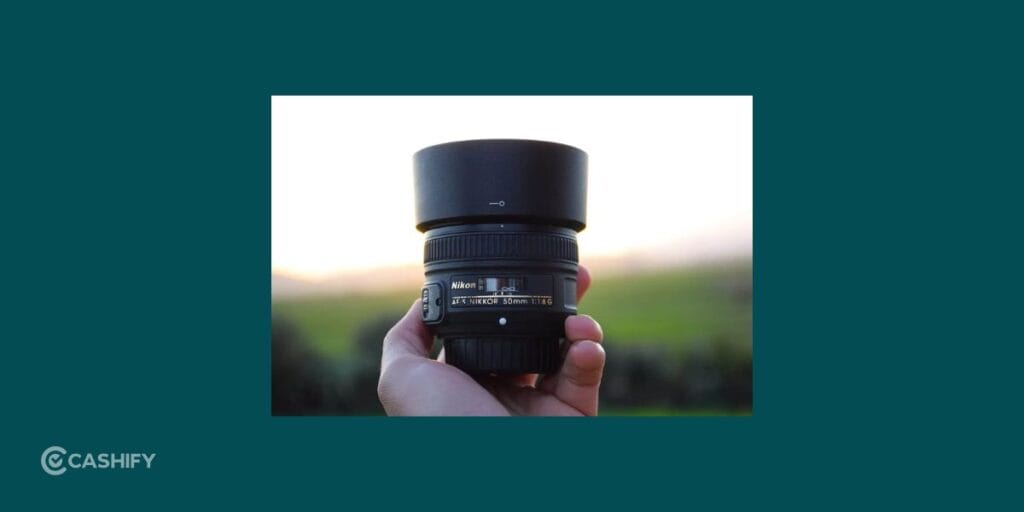
The 50mm lens is often the first step for anyone exploring the best camera lens for portrait photography.
It behaves close to how the human eye sees, which makes it ideal for natural portraits.
Also Read: iOS 26 Vs One UI 8.5: Apple Gets Smarter, Samsung Stays Flexible
Why It Works Well:
- Affordable and widely available
- Sharp image quality
- Good in low light (especially f/1.8 versions)
- Great for indoor and outdoor use
If you’re learning photography, this lens teaches you how to frame and move properly. Many photographers begin their journey toward finding the best camera lens for portrait photography right here.
However, the only limitation is that you need to physically move closer to your subject.
Buy Canon EF 50 mm f/1.8 STM Standard Prime Lens
85mm Lens: The True Portrait Favorite
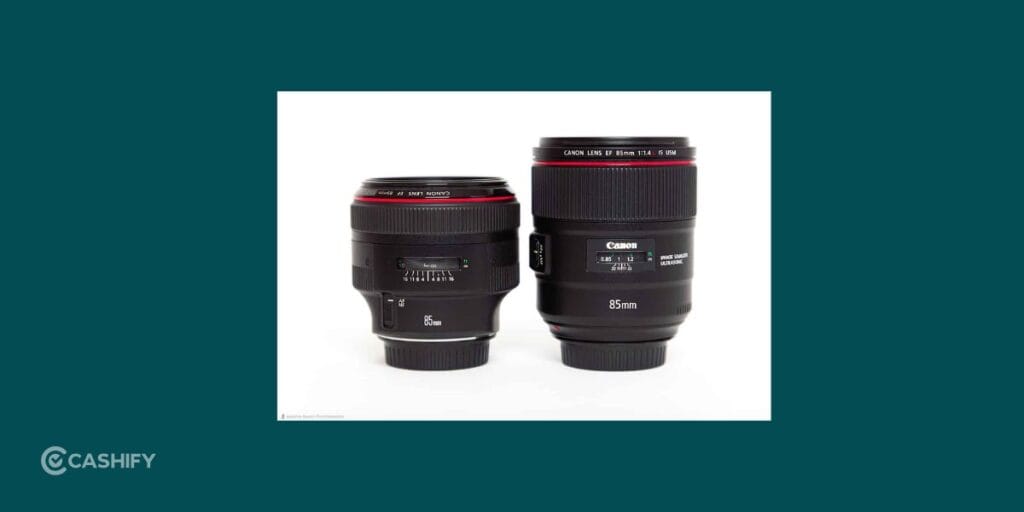
When photographers talk about the best camera lens for portrait photography, the 85mm lens almost always comes up.
This lens is widely considered the “portrait king.”
Why It’s So Loved:
- Flattering compression for faces
- Smooth background blur
- Strong subject separation
- Professional studio-style output
This is the lens that makes your portraits instantly look more polished. If you want that classic professional feel, the best camera lens for portrait photography for you is very likely 85mm.
It works best for headshots, fashion portraits, and couple photography.
But, the only drawback is that it requires more shooting space.
Buy Canon RF 85mm f/2 Macro IS STM Telephoto Zoom Lens
35mm Lens: For Lifestyle Portraits
While not always labeled as the best camera lens for portrait photography, the 35mm lens plays a different role.
Instead of isolating the subject completely, it includes more of the environment.
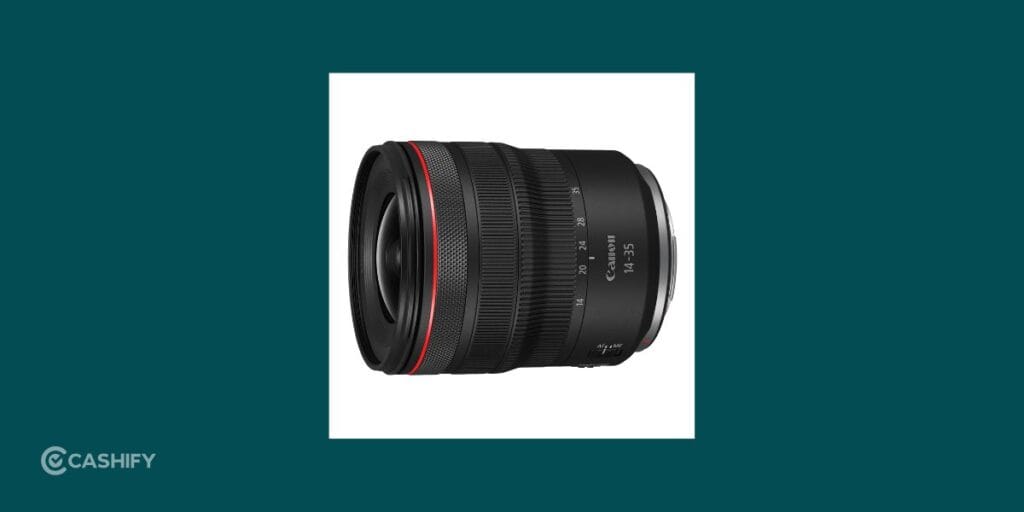
Best For:
- Lifestyle photography
- Travel portraits
- Street photography
- Storytelling shots
It helps you capture emotion and surroundings together. However, if you use it too close, facial distortion can occur, which is why it’s not always considered the best camera lens for portrait photography for close-up shots.
Buy Canon RF 35 mm F1.8 Macro IS STM Macro Prime Lens
135mm Lens: For Professional-Level Portraits
If you want extremely clean separation between subject and background, the 135mm lens is a powerful option in the best camera lens for portrait photography category.
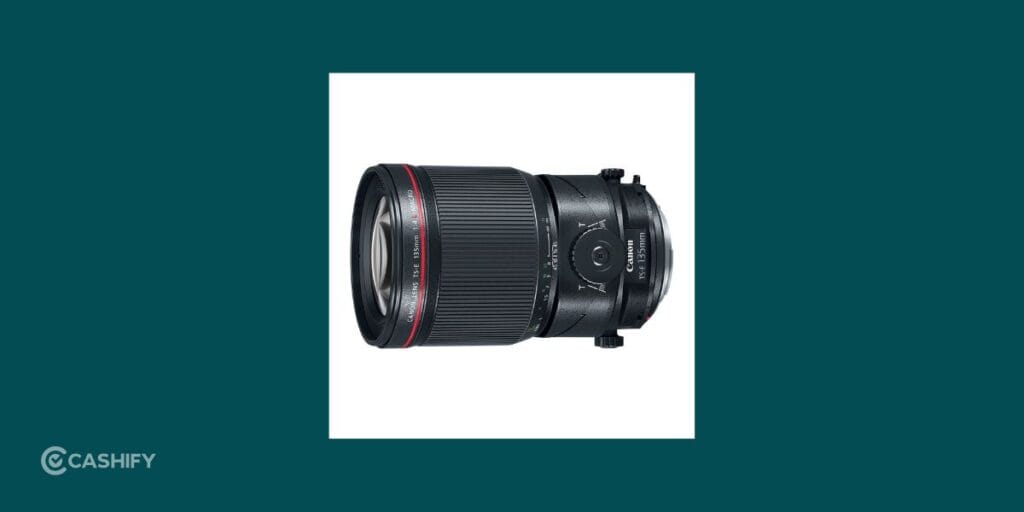
Why Professionals Use It:
- Strong background compression
- Extremely smooth bokeh
- Very flattering facial proportions
- Studio-like results outdoors
This lens helps you achieve magazine-style portraits. Also, if you’re aiming for high-end results, this might be your best camera lens for portrait photography choice.
The downside is that you need a lot of distance between you and the subject.
Buy Canon RF135mm f/1.8L IS USM Standard Prime Lens
Prime vs Zoom: What Should You Pick?
When choosing the best camera lens for portrait photography, you’ll also decide between prime and zoom lenses.
Prime Lenses (50mm, 85mm, 135mm)
- Sharper image quality
- Wider apertures
- Better background blur
- Lightweight design
Zoom Lenses (24–70mm, 70–200mm)
- Flexible framing
- Useful for events
- One lens for multiple situations
If your goal is consistently creating the best results, prime lenses usually deliver better quality.
Also Read: Vivo X300 FE Vs Vivo X300: Which One Is the Better Choice For You?
Aperture Still Matters
Even if you choose the best camera lens for portrait photography, aperture plays a huge role in the final look.
Wide apertures like f/1.8, f/1.4, or f/2.8 help you:
- Create soft background blur
- Highlight your subject
- Shoot in low light easily
A good lens combined with a wide aperture is what truly defines the best portrait photography experience.
One Thing Nobody Tells You About Portrait Lenses
Here’s something important- lens choice matters, but not as much as light and connection. Even the best 85mm lens won’t save a poorly lit or awkward expression.
Great portraits come when:
- Your subject feels comfortable
- The lighting flatters the face
- You choose the right background
- You focus on expression, not just settings
The lens only supports your vision. It doesn’t create it for you.
Also Read: 5 Best Messaging Apps For Android And iPhone For Secure Chats (2026)
Which Lens Should You Actually Choose?
Here’s a simple breakdown to help you pick the best camera lens for portrait photography:
- 50mm: Best for beginners and everyday portraits
- 85mm: Best for professional-looking portraits
- 35mm: Best for storytelling and lifestyle shots
- 135mm: Best for high-end outdoor portraits
There is no single universal best camera lens- it depends on your shooting style.
Final Thoughts
Finding the best camera lens for portrait photography is not about buying the most expensive option. It’s about choosing a lens that matches how you want your portraits to look.
If you’re starting out, 50mm is a safe and powerful choice. If you want that polished professional feel, 85mm is often the go-to best camera lens for portrait photography. And if you’re aiming for studio-level separation and depth, 135mm can elevate your work.
At the end of the day, the best camera lens is the one that helps you connect with your subject and bring emotion into your frame- not just technical perfection.
Also Read: How To Check Processor In Mobile (Android And iPhone)
Frequently Asked Questions
What lens do most photographers use for portraits?
Most photographers prefer 50mm and 85mm prime lenses for portraits. The 50mm is great for natural, everyday shots, while the 85mm is widely considered the best for professional portraits due to flattering compression, sharp subject focus, and smooth background blur.
Is 85mm or 50mm better for portraits?
85mm is generally better for portraits because it gives more flattering facial compression and stronger background blur. However, 50mm is more versatile, affordable, and works well for beginners or tight spaces. Choose based on your shooting style and available space.
Is 85mm or 70-200 better for portraits?
Both are excellent, but 85mm is lighter, faster, and ideal for dedicated portrait work. The 70-200mm zoom offers flexibility for framing and distance control, making it perfect for events and outdoor shoots. For pure portraits, 85mm often delivers more consistent results.
Should I use an 18-55 or 55-200 lens for portraits?
The 18-55mm can work for casual portraits but may distort faces at wider angles. The 55-200mm is better because it allows compression and background blur at longer focal lengths, making portraits more flattering and professional-looking, especially around 85–135mm range.
If you’ve just bought a new phone and don’t know what to do with your old phone, then here’s your answer. Sell old mobile to Cashify and get the best price for it. If you are planning to buy a new phone, check out Cashify’s refurbished mobile phones. You can get your favourite phone at almost half price with six-month warranty, 15 days refund and free delivery.