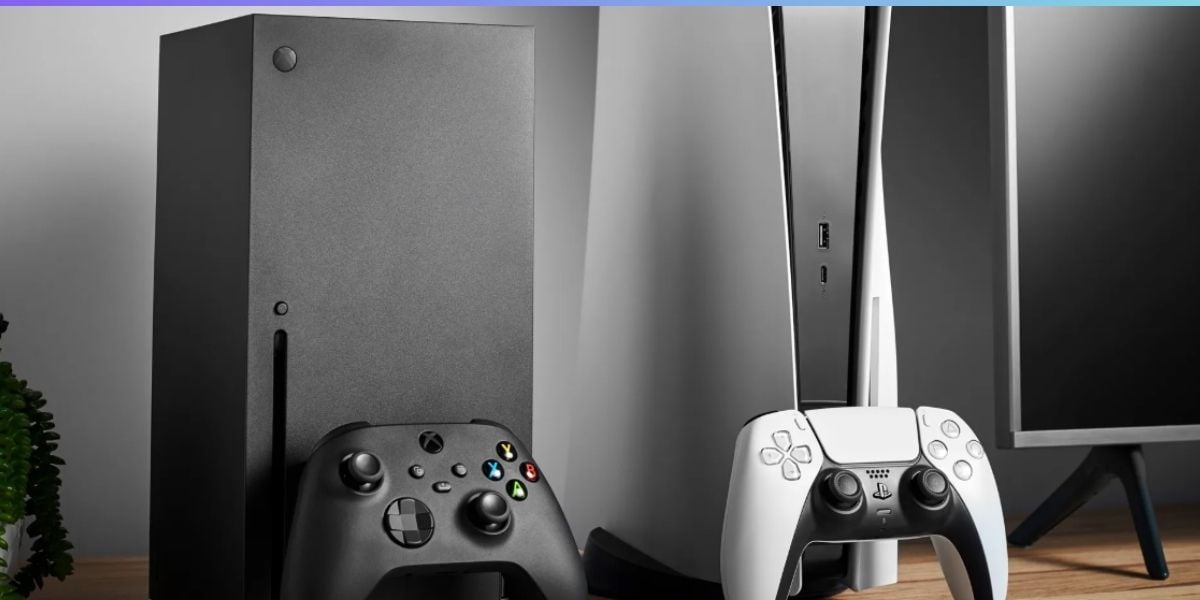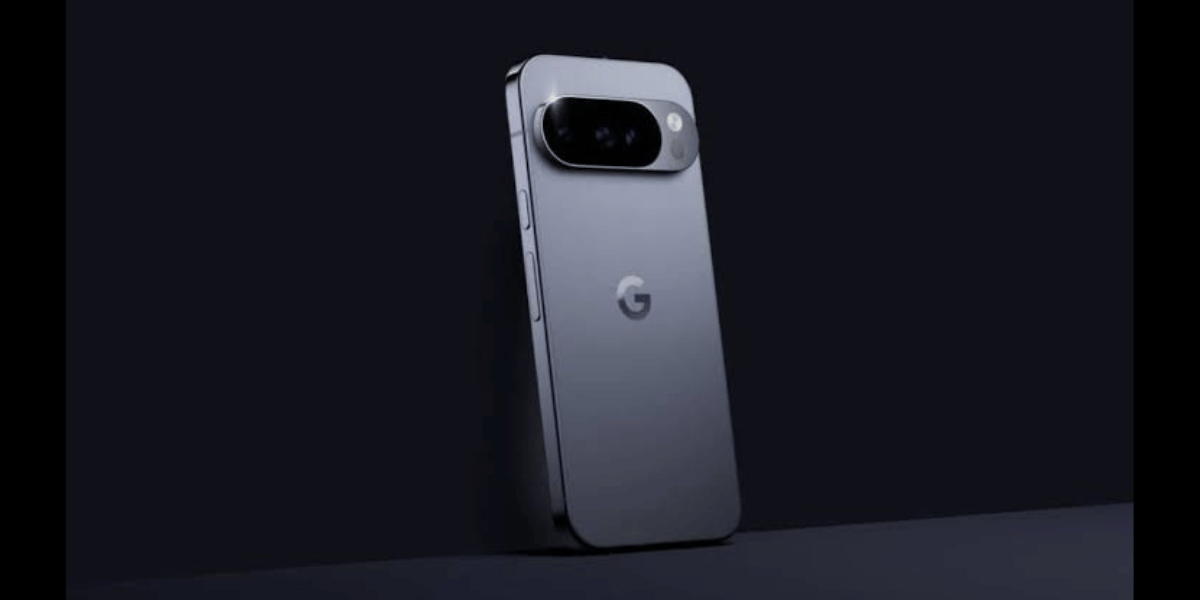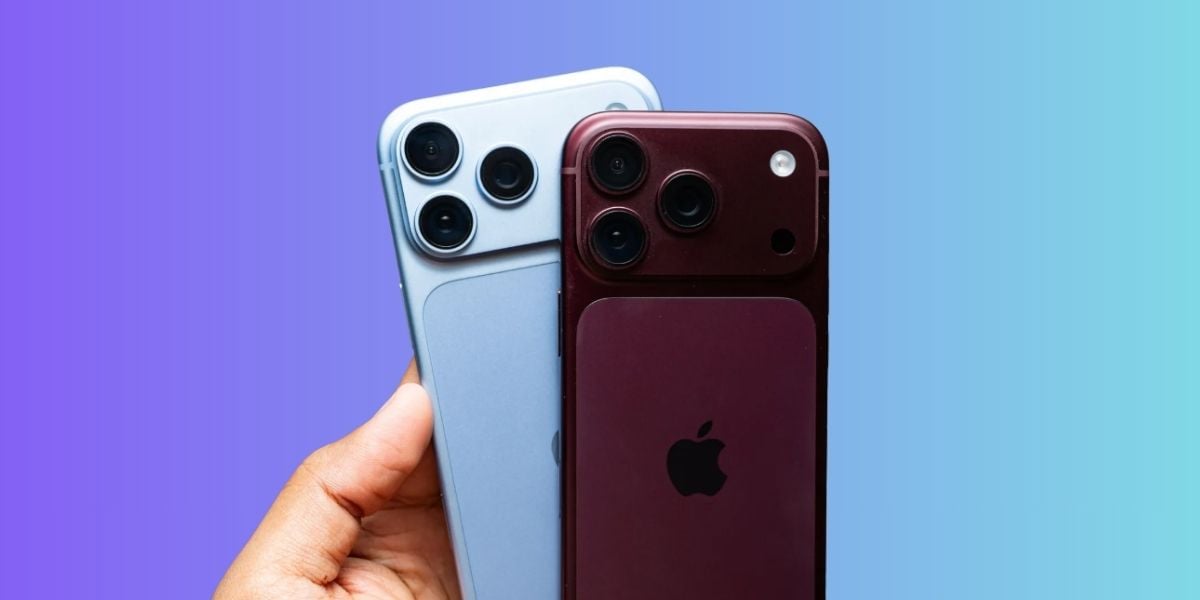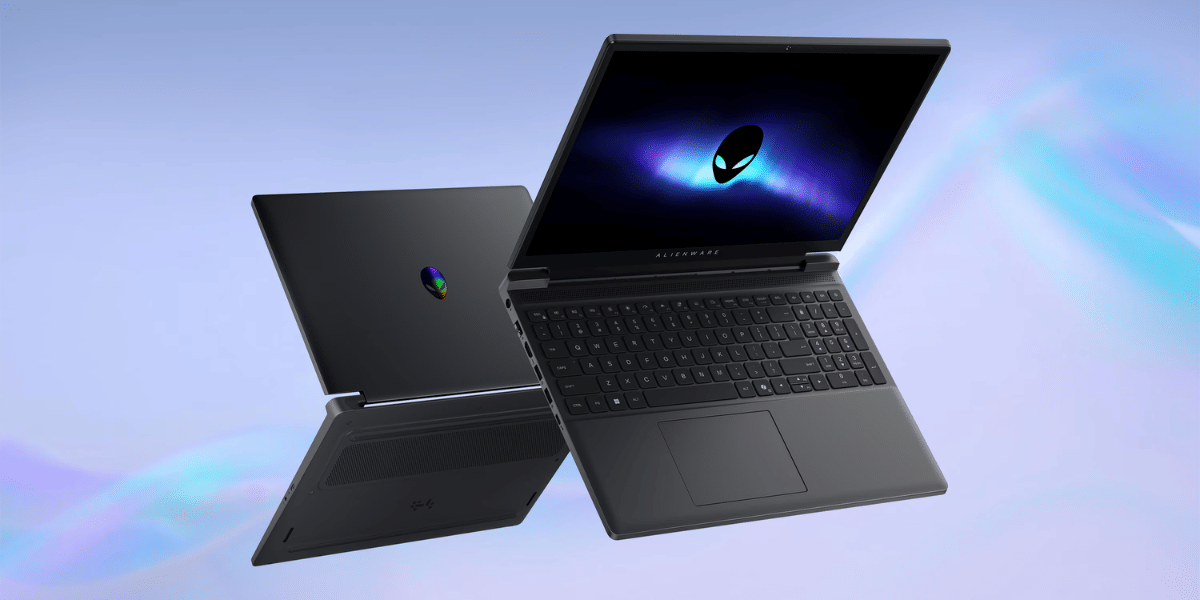


Take a moment and think about this. How many old devices are sitting in your home right now? A phone in a drawer, a broken charger, maybe an old laptop you never turned on again. That’s where the e-waste problem begins.
Now multiply that across millions of households. That’s where the real story begins. India’s e-waste is not just increasing. It is rising at a pace that is becoming a concern now. But what really counts as e-waste? Let’s check out the details:
Also Read: How Companies Like Cashify Make E-Waste Recycling Convenient And Rewarding?
What Counts As E-Waste & Why It’s a Problem?
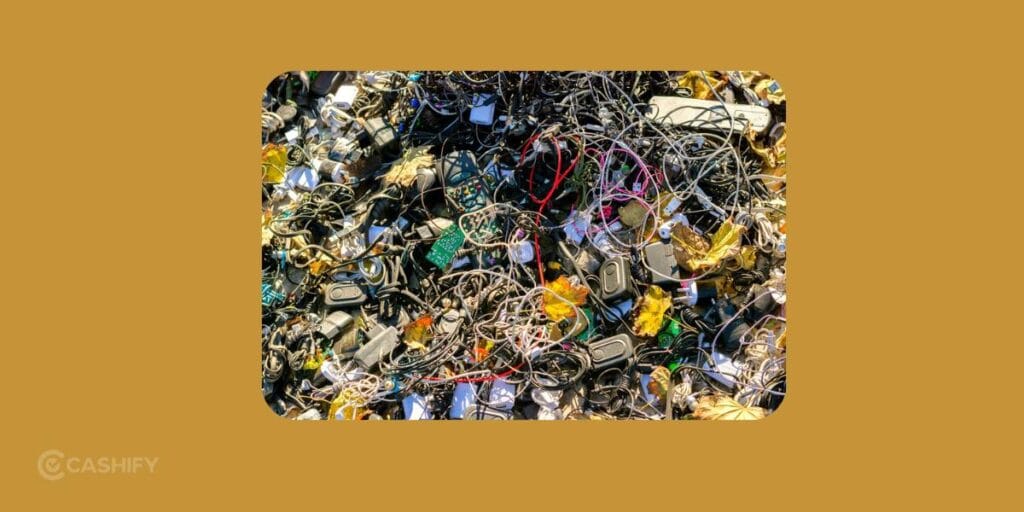
E-waste includes any electronic item that no longer serves a purpose. It can be:
- Mobile phones
- Laptops
- Televisions
- Earbuds and smartwatches
- Chargers and cables
These items may look harmless once they stop working. The reality is very different. This is because inside these dead or no longer needed items, there are:
- Toxic elements like lead and mercury
- Valuable materials like gold and copper
So every discarded device carries both risk and opportunity hidden in the e-waste problem. But, how? Read on till the end.
The Speed Of E-waste Problem Growth In India
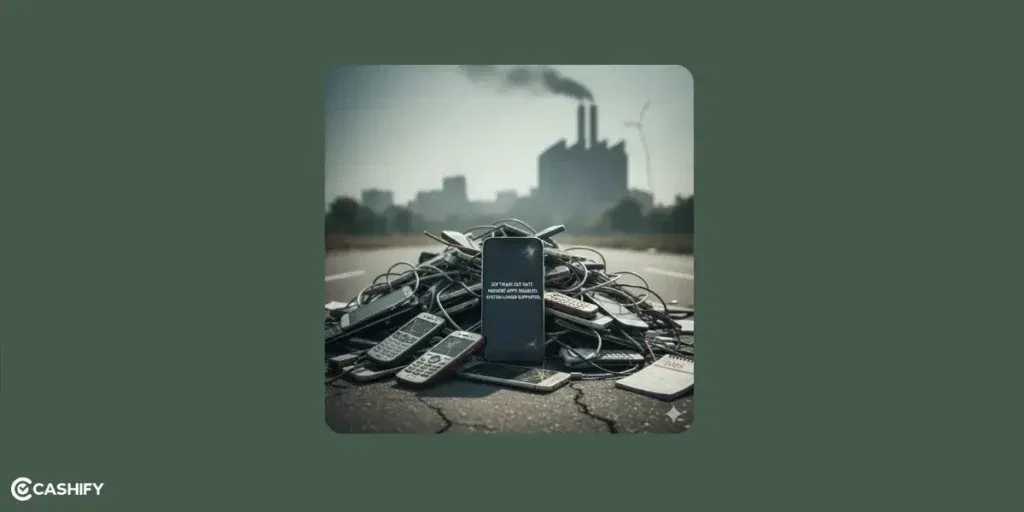
India ranks among the top e-waste generators globally. The volume keeps climbing every year. This clearly reflects India’s growing e-waste problem. There are millions of tonnes of e-waste generated annually. The growth rate of this is close to 5 to 10 percent each year!
That’s a significant jump. A major contribution is from urban consumption. The increase is steady and consistent. There is no sign of slowdown. That’s the trend. Now, what’s actually driving it? Let’s understand:
Also read: How to Identify Certified E-Waste Recyclers Near You?
What Is Driving This E-Waste Surge?
The rise in e-waste problem is not random. Several clear patterns explain it.
Faster Upgrade Cycles
All the gadgets, especially mobile phones now get replaced every two to three years. Sometimes even sooner. Every week, we are seeing 2-3 models launching.
Affordable Electronics
Since every brand are competing with each other, lower prices lead to higher ownership. As a result of this, more devices in circulation means more waste later.
Expansion Of New Gadgets
Smart devices are everywhere now:
- Fitness bands
- Wireless audio devices
- Smart home products
Each new category adds to the waste stream.
Digital Lifestyle Shift
Remote work increased the use of:
- Laptops
- Screens
- Accessories
All of these eventually reach end-of-life. Even travel has increased the use of earphones, smartwatches, and more.
Also read: Smart E-waste Disposal: Why Your Old Gadget Deserves a Greener Goodbye!
The Bigger Concern: Recycling Is Falling Behind

Only a small portion of India’s e-waste goes through formal recycling channels. A large share ends up:
- In informal recycling units
- In landfills
- In unsafe dismantling setups
This e-waste problem creates long-term damage that often goes unnoticed. The issue goes far beyond clutter or waste. The impact touches multiple areas, including:
Environmental Damage
Improper disposal leads to:
- Soil contamination
- Polluted water sources
- Toxic air from burning materials
These effects stay in the environment for years.
Health Risks
All the workers in the informal sector often handle devices without protection. Exposure to toxic substances can result in:
- Breathing issues
- Skin problems
- Long-term neurological damage
Loss Of Valuable Resources
Discarded electronics contain recoverable metals:
- Gold
- Silver
- Copper
Poor recycling means these materials are lost. Fresh mining then becomes necessary, adding more environmental pressure.
Rising Carbon Impact From E-waste Problem
Every new device requires:
- Raw material extraction
- Energy-intensive production
Low recycling rates increase demand for new manufacturing. That leads to higher emissions.
Also read: How Proper E-Waste Recycling Can Help Combat Climate Change!
Thing To Note About E-waste Problem
E-waste does not pile up in obvious ways like plastic. It stays inside homes, offices, and storage spaces. Old devices sit unused for years. The scale becomes visible only when you look at the numbers nationwide.
What Can Be Done At An Individual Level?
Large-scale change starts with small decisions.
Use Devices Longer
Avoid frequent upgrades unless necessary. A longer usage cycle reduces waste directly.
Repair Instead Of Replacing
Many devices can still function after basic fixes.
Dispose Responsibly
Choose authorised recyclers or resale platforms instead of dumping devices.
Build Awareness about e-waste problem
Many people still do not know what to do with old electronics. Simple conversations can shift habits.
For more information, please check out Cashify’s E-Waste Policy page.
The Bottom Line
India’s e-waste problem reflects how fast technology consumption has evolved. There are more devices, shorter lifespans, and faster replacement cycles. That combination creates pressure on systems that are not fully prepared.
The speed of e-waste growth in India is not just a statistic. It is a signal. A signal that consumption patterns need attention and our disposal habits must change. Each unused device is part of a larger chain. The next time you replace a gadget, think beyond the upgrade. Think about where the old one goes.
Also read: How Cashify Is Turning India’s E-Waste Management Into a Sustainability Movement?
If you’ve just bought a new phone and don’t know what to do with your old phone, then here’s your answer. Sell old mobile to Cashify and get the best price for it. If you are planning to buy a new phone, check out Cashify’s refurbished mobile phones. You can get your favourite phone at almost half price with six-month warranty, 15 days refund and free delivery.