

It can be confusing to choose from Full frame camera vs crop sensor. In the Full Frame Camera Vs Crop Sensor debate, neither option is universally better. Full frame generally has an advantage in low-light flexibility and background blur. Crop-sensor cameras are often cheaper, lighter and good for distant subjects.
Here is what you need to know before buying or upgrading.
What Is A Full-Frame Camera?
This can be helpful for wedding photography, indoor events, night photography and portraits where a softly blurred background is desirable.
Still, full frame does not automatically mean better image quality. Sensor technology, resolution, autofocus, lens quality and image processing all influence the results.
Also Read: 50mm Vs 85mm Lens: Which Is Better For Portraits?
What Is a Crop-Sensor Camera?
A crop-sensor camera uses a smaller sensor than full frame. The two common formats are APS-C and Micro Four Thirds.
- APS-C: This is super common in Canon, Nikon, Sony and Fujifilm. The crop factor is typically 1.5× or 1.6×.
- Micro Four Thirds: This uses a smaller sensor and has a crop factor of approximately 2× relative to full frame.
Nikon’s FX format uses a sensor measuring approximately 36 × 24 mm. The DX format is approximately 24 × 16 mm. These differences affect the field of view, not the lens’s actual focal length.
Crop-sensor cameras can give detailed photographs for portraits, travel, wildlife and professional assignments. A smaller sensor does not automatically mean poor image quality.
Full Frame Vs Crop Sensor: Key Differences
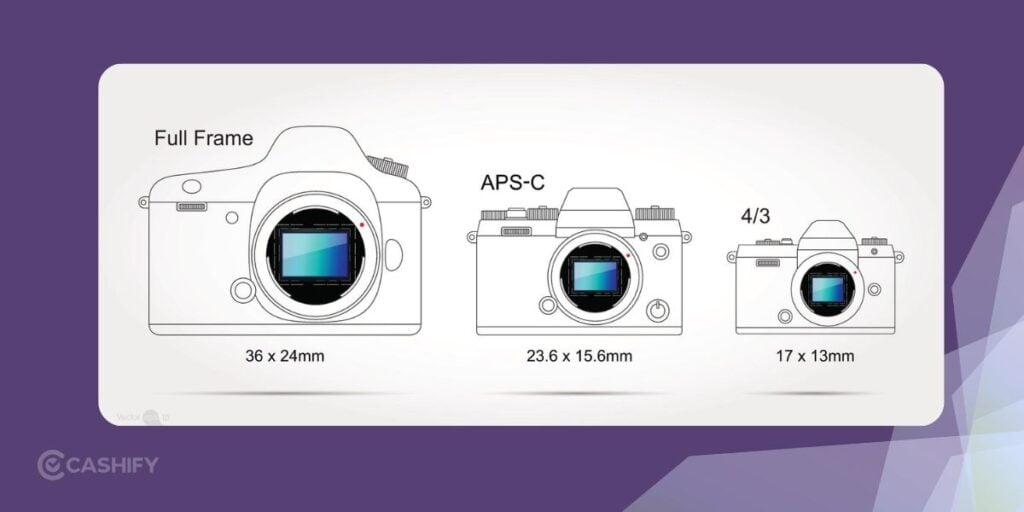
| Category | Full frame | Crop sensor |
|---|---|---|
| Sensor size | Approximately 36 × 24 mm | Smaller, depending on format |
| Field of view | Wider at the same focal length | Tighter at the same focal length |
| Low-light potential | Generally stronger at comparable exposure and output | Depends on the camera and lens |
| Background blur | Easier at equivalent framing | Often needs a faster lens or different framing |
| Wildlife photography | Excellent in challenging light | Tighter framing can help |
| Portability | Can require larger equipment | Often supports a lighter kit |
| Cost | Usually higher overall | Often more affordable |
What Is Crop Factor?
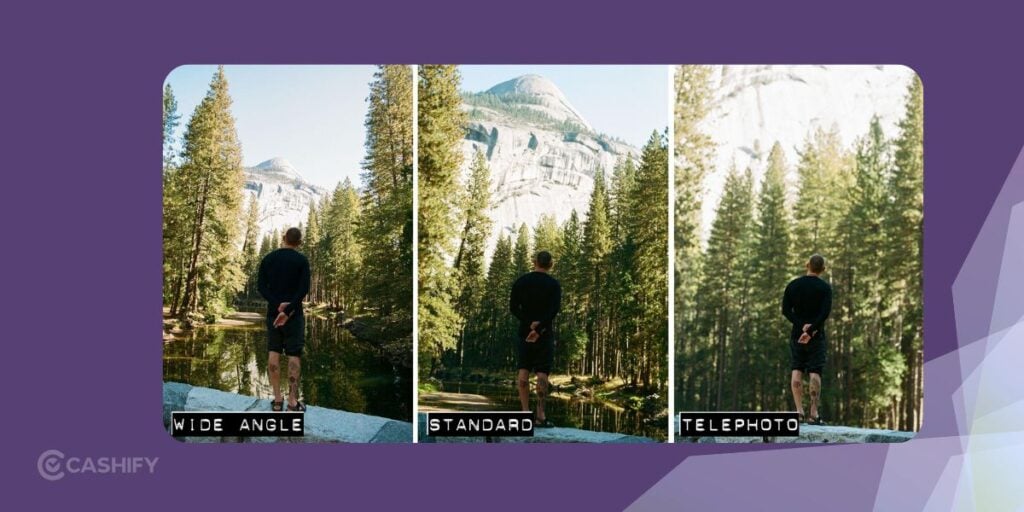
Crop factor is how a smaller sensor changes the angle of view compared with full frame. It does not change the lens’s actual focal length or optical magnification.
To calculate the equivalent field of view, multiply the lens’s focal length by the crop factor.
| Actual lens | APS-C 1.5× | Canon APS-C 1.6× | Micro Four Thirds 2× |
|---|---|---|---|
| 24mm | 36mm | 38.4mm | 48mm |
| 35mm | 52.5mm | 56mm | 70mm |
| 50mm | 75mm | 80mm | 100mm |
| 200mm | 300mm | 320mm | 400mm |
For example, a 50mm lens on a 1.5× APS-C camera gives a field of view similar to a 75mm lens on full frame. This is useful for wildlife photography, but it does not turn the 50mm lens into a 75mm lens. It simply records a smaller portion of the image.
Also Read: Best Cameras For Content Creators: Travel, Vlogging, All Details!
Image Quality And Low-Light Performance
A larger sensor generally captures more total light when exposure conditions and output size are comparable. This can mean less visible noise at high ISO settings and greater flexibility when editing shadows.
However, not every full-frame camera beats every APS-C camera in low-light performance or dynamic range. It is important to consider sensor, resolution, lens aperture, exposure settings and processing.
Depth of Field And Background Blur
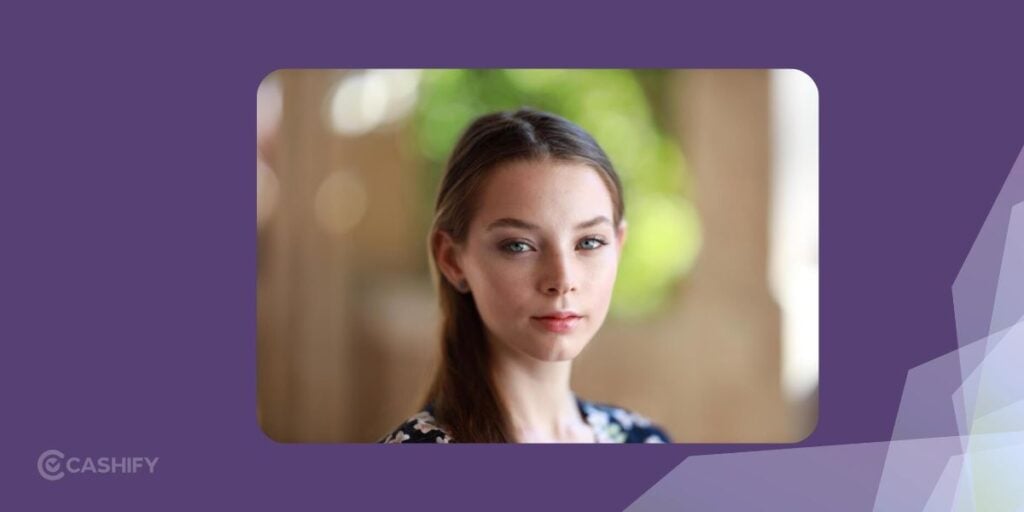
Depth of field describes how much of a photograph appears acceptably sharp. Bokeh refers to the appearance of out-of-focus areas.
Full frame can produce shallower depth of field at equivalent framing and the same f-number. This is good for portraits where you want the subject to stand out against a blurred background.
Crop-sensor cameras can still create beautiful portraits. A fast lens, distance and a background positioned well behind the subject can make a significant difference.
Wildlife, Sports And Field of View
Crop sensors are popular among wildlife and sports photographers. It is because their tighter field of view can help frame distant subjects.
A 200mm lens on a 1.5× APS-C camera provides a field of view similar to a 300mm lens on full frame.
Full frame is good when photographing fast-moving subjects in poor light. The better option depends on the camera’s autofocus performance, shooting speed and the lenses available.
Also Read: How To Check Used Camera Before Buying? Full Checklist Explained!
Megapixels And Image Detail
Megapixels measure image resolution, not overall camera quality.
A 24-megapixel APS-C camera can produce excellent photographs. But a full-frame camera does not automatically capture more detail.
Higher resolution can help when cropping images or producing large prints, but it also creates larger files. For wildlife photography, pixel density can be good when photographing distant animals.
Lens Compatibility And Total Cost
The camera body is only part of the expense. Lenses, memory cards, batteries, filters and a camera bag all contribute to the total cost.
Full-frame lenses can be larger, heavier and more expensive, although this varies by lens. Crop-sensor systems often have compact, affordable options suited to travel and everyday photography.
If you want to save money on refurbished DSLR camera lens, Cashify is a good place to find options. You can find refurbished camera lens, second hand DSLR cameras, refurbished gadgets, and refurbished action camera. You will also get refund, warranty, quality checks, discounts, and many more benefits.
Which Sensor Is Best F or Your Photography?
- Portraits: Full frame is good for shallow depth of field and low-light flexibility.
- Weddings and events: Full frame can help in dim venues, but dependable autofocus, suitable lenses and battery life matter just as much.
- Landscapes: Full frame makes wide-angle framing easier. APS-C can also produce excellent landscapes.
- Wildlife and sports: APS-C is a compelling choice for tighter framing and affordability. Full frame can be better in poor light, depending on the camera.
- Travel and street photography: Crop-sensor cameras make a lighter, less expensive kit. Full frame is good if you prioritise low-light performance.
- Video: You should compare autofocus tracking, stabilisation, rolling shutter, and frame rates. Sensor size alone should not determine your choice.
Frequently Asked Questions
Is full frame always better than APS-C?
No. Full frame generally has an advantage in total light capture.
Does a crop sensor zoom in?
No. Crop factor changes the field of view, not the lens’s actual focal length or optical magnification.
Can professionals use crop-sensor cameras?
Yes. Professionals use crop-sensor cameras across wildlife, sports, portraits, travel and other genres.
Should beginners buy full frame?
Not necessarily. A beginner can learn photography on an affordable crop-sensor camera and invest in good lenses before upgrading.
Final Verdict: Full Frame Camera Vs Crop Sensor
Full frame camera is good for low-light flexibility, wide-angle shooting and greater control over background blur. It is worth it for portraits, weddings and challenging lighting conditions.
Crop sensors are often the smarter option for beginners. They are more affordable as well. If you want to save more money, you can check out Cashify’s refurbished camera sensors.
My recommendation: If your current camera has a genuine limitation, upgrading can make sense. Otherwise, better lenses, lighting and practice may be a better choice.
If you’ve just bought a new phone and don’t know what to do with your old phone, then here’s your answer. Sell your old mobile to Cashify and get the best price for it. If you are planning to buy a new phone, check out Cashify’s refurbished mobile phones. You can get your favourite phone at almost half price with a six-month warranty, 15-day refund and free delivery.