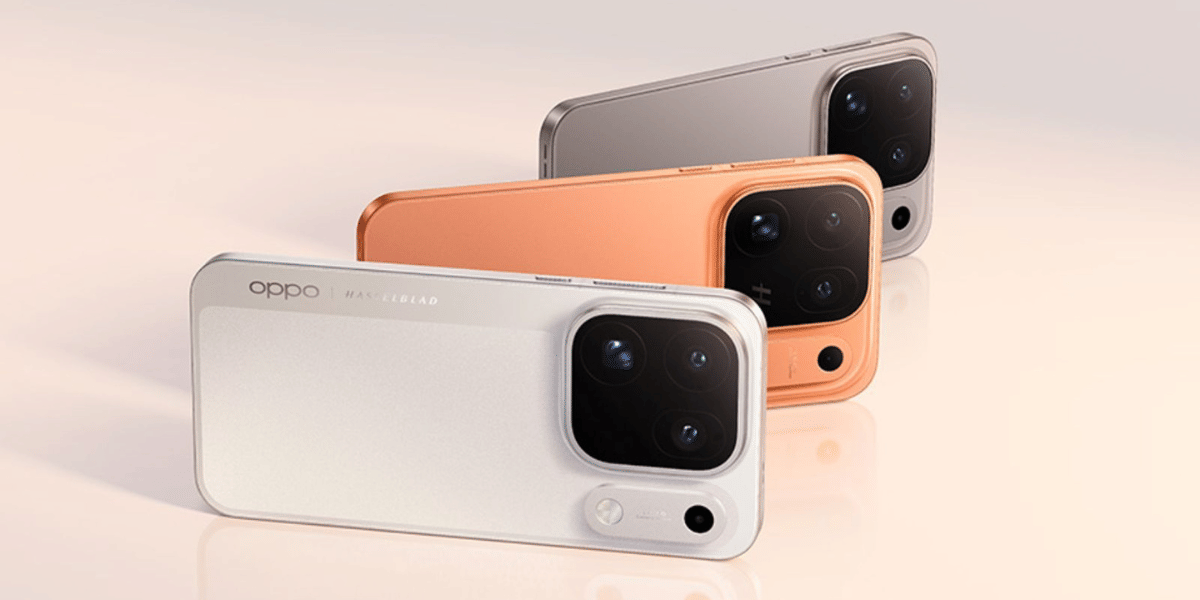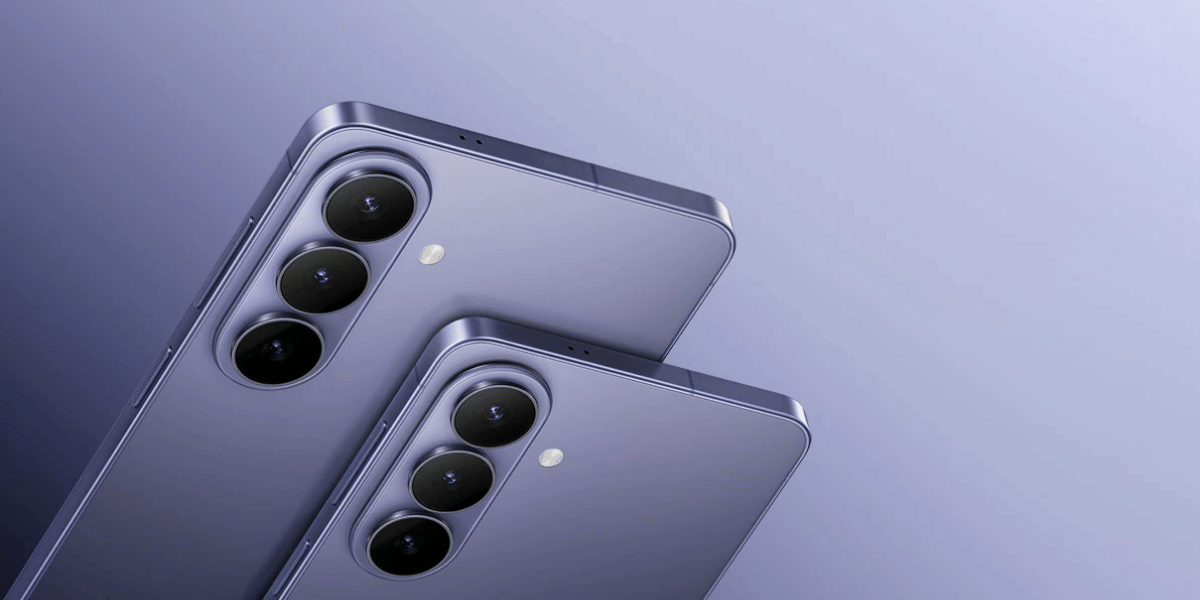


If you’re planning to buy a new phone, it’s important to check out AnTuTu scores. But why? This is one question people often ask me. All I can say is that phones with an goodAnTuTu score really matter, and I will explain it all in this guide. A phone in this range isn’t just fast on paper. It feels fast every single day. Apps open instantly, games run well, and multitasking feels effortless. Even the phone stays relevant for years instead of slowing down after a major software update.
At the same time, not every phone scoring around 2 million is the right choice for everyone. Some focus on gaming, some on cameras, and others try to balance performance, battery, and software. If you know these differences, it can save you from spending money on a phone that doesn’t match your needs.
Let’s go through some of the best options available today and see what each one does best.
Also Read: Best Vivo T5 Lite Alternatives: Best Options Explained!
Why Phones With 2 Million AnTuTu Score Matter?
AnTuTu doesn’t measure only processor speed. It has CPU performance, graphics, memory speed, storage, and overall user experience. If the phone has 2 million AnTuTu score, it means you will get flagship-level hardware. You get benefits like:
- Smooth multitasking even when many apps stay open.
- Faster app installation and loading thanks to UFS 4.0 storage.
- LPDDR5X RAM that keeps background apps active longer.
- Better long-term performance after future Android updates.
- Strong AI processing for photo editing, translation, voice recognition, and other on-device tasks.
You can think of 2 million as a performance safety zone. It’s far beyond what most people need today. It also means the phone will be responsive for several years.
Best Phones With Around 2 Million AnTuTu Score
OnePlus 12
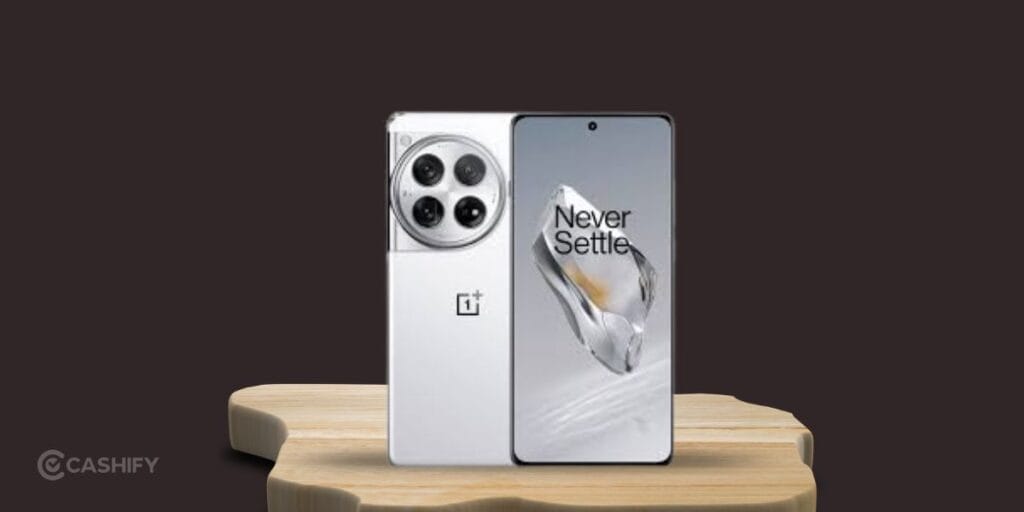
Average AnTuTu Score: Around 2.1 million
The OnePlus 12 is one of the easiest recommendations if you want flagship performance without paying ultra-premium prices. You get Snapdragon 8 Gen 3 processor for heavy games, video editing, and intensive multitasking effortlessly. OxygenOS also feels clean and responsive.
| Category | Detail |
|---|---|
| Display | 6.82-inch Curved AMOLED, 2K QHD+ (3168 × 1440), 120Hz dynamic LTPO, 4500 nits peak brightness, Gorilla Glass Victus 2 |
| Processor | Qualcomm Snapdragon 8 Gen 3 Mobile Platform, Adreno 750 GPU |
| Memory (RAM) | 12GB / 16GB / 24GB LPDDR5X |
| Storage | 256GB / 512GB / 1TB UFS 4.0 (Non-expandable) |
| Rear Camera Setup | Triple Hasselblad System:• 50 MP Wide (Sony LYT-808, f/1.6, OIS)• 64 MP Periscope Telephoto (3x optical zoom, f/2.6, OIS)• 48 MP Ultra-Wide (114° FoV, f/2.2) |
| Front Camera | 32 MP, f/2.4 (Sony IMX615) |
| Battery & Charging | 5,400 mAh battery• 100W SUPERVOOC wired fast charging• 50W AIRVOOC wireless charging• 10W Reverse wireless charging |
| Operating System | OxygenOS 14 based on Android 14 |
| Build & Durability | Glass front/back, aluminum frame, IP65 dust and water resistance |
| Biometrics | In-display optical fingerprint scanner, facial recognition |
| Connectivity | Dual Nano-SIM, 5G, Wi-Fi 6E/7, Bluetooth 5.4, NFC, IR Blaster |
| Dimensions & Weight | 164.3 × 75.8 × 9.15 mm; Weight: 220g |
It’s a great choice if you want an all-round flagship instead of a device built for just one purpose.
Best for:
- Daily flagship use
- Gaming
- Fast charging
- Long-term value
Samsung Galaxy S25
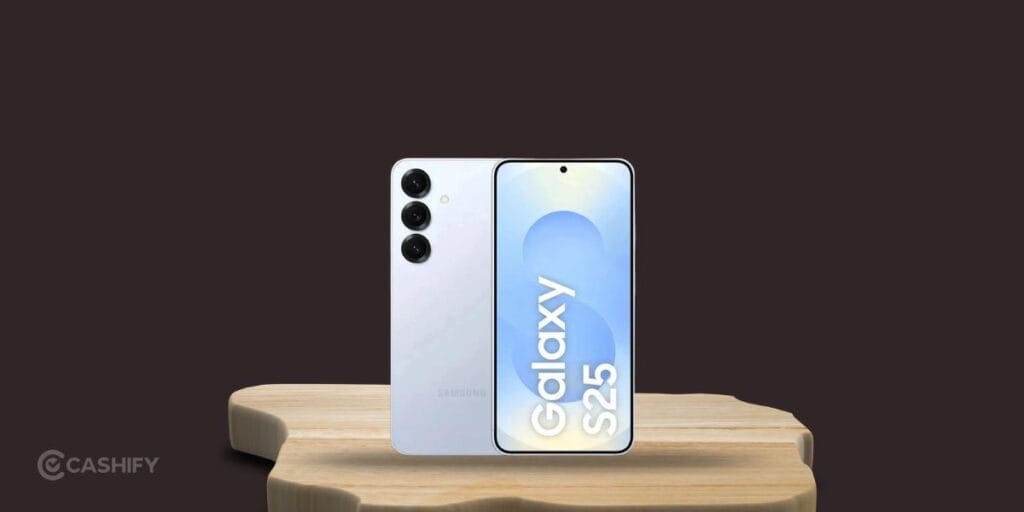
Average AnTuTu Score: Around 2.18 million
Samsung has flagship performance and one of the strongest software experiences available on Android. The Samsung Galaxy S25 can handle heavy tasks while adding excellent cameras, AI tools, long software support, and premium build.
| Specification Category | Detail |
|---|---|
| Display | 6.2-inch Flat Dynamic AMOLED 2X, FHD+ (2340 × 1080), 120Hz variable refresh rate, 2600 nits peak brightness, Corning Gorilla Glass Victus 2 |
| Processor | Qualcomm Snapdragon 8 Elite for Galaxy (3nm), Adreno 830 GPU |
| Memory (RAM) | 12GB LPDDR5X |
| Storage | 128GB / 256GB / 512GB UFS 4.0 (Non-expandable) |
| Rear Camera Setup | Triple ProVisual System:• 50 MP Wide (f/1.8, OIS, Dual Pixel AF)• 10 MP Telephoto (3x optical zoom, f/2.4, OIS)• 12 MP Ultra-Wide (120° FoV, f/2.2) |
| Front Camera | 12 MP, f/2.2 with Dual Pixel AF |
| Battery & Charging | 4,000 mAh battery• 25W wired fast charging• 15W Fast Wireless Charging 2.0• 4.5W Wireless PowerShare (Reverse charging) |
| Operating System | One UI 7 / One UI 8 based on Android 15 (Up to 7 years of major OS upgrades) |
| Build & Durability | Armor Aluminum frame, glass back (Gorilla Glass Victus 2), IP68 dust and water resistance |
| Biometrics | Ultrasonic in-display fingerprint scanner, facial recognition |
| Connectivity | Dual SIM (Nano-SIM or eSIM), 5G, Wi-Fi 7, Bluetooth 5.4, NFC, USB Type-C 3.2 |
| Dimensions & Weight | 146.9 × 70.5 × 7.2 mm; Weight: 162g |
If you plan to keep your phone for four to seven years, this is one of the safest purchases.
Best for:
- Photography
- Productivity
- Software support
- Premium experience
iQOO Neo 10
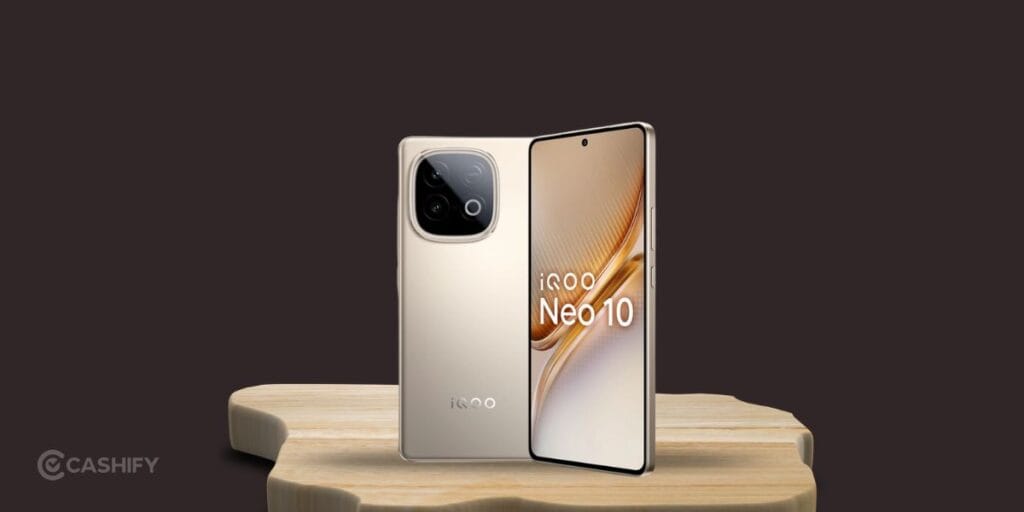
Average AnTuTu Score: Around 2.06 million
If gaming comes first, the iQOO Neo 10 deserves serious attention.
It focuses on performance, cooling, and high frame rates during long gaming sessions. Instead of paying flagship prices, you get nearly flagship-level speed at a much lower cost.
| Specification Category | Detail |
|---|---|
| Display | 6.78-inch 1.5K AMOLED (2800 × 1260), 144Hz refresh rate, 4320Hz PWM Dimming, 5500 nits peak brightness, Shield Glass |
| Processor | Qualcomm Snapdragon 8s Gen 4 (4nm), paired with self-developed Supercomputing Chip Q1 for gaming frame rate interpolation |
| Memory (RAM) | 8GB / 12GB / 16GB LPDDR5X |
| Storage | 128GB / 256GB / 512GB UFS (Non-expandable) |
| Rear Camera Setup | Dual Setup:• 50 MP Sony Portrait Main Camera (f/1.79, OIS)• 8 MP Ultra Wide-Angle Camera (f/2.2) |
| Front Camera | 32 MP, f/2.45 |
| Battery & Charging | 7,000 mAh Silicon BlueVolt battery• 120W FlashCharge wired fast charging (1% to 50% in under 20 minutes) |
| Operating System | Funtouch OS 15 based on Android 15 (with 3 major Android upgrades promised) |
| Build & Durability | Ultra-slim 8.09mm lightweight frame, IP65 dust and water resistance rating |
| Biometrics | In-display fingerprint scanner, Face unlock |
| Connectivity | Dual Nano-SIM, 5G, Wi-Fi 7, Bluetooth 5.4, NFC, Infrared Blaster |
| Dimensions & Weight | Thickness: 8.09 mm; Weight: 206g |
It’s one of the strongest value choices in this category.
Best for:
- Competitive gaming
- Heavy multitasking
- Performance per rupee
Also Read: OnePlus N6 Alternatives: Best Smartphones Worth Buying Instead!
Realme GT 7
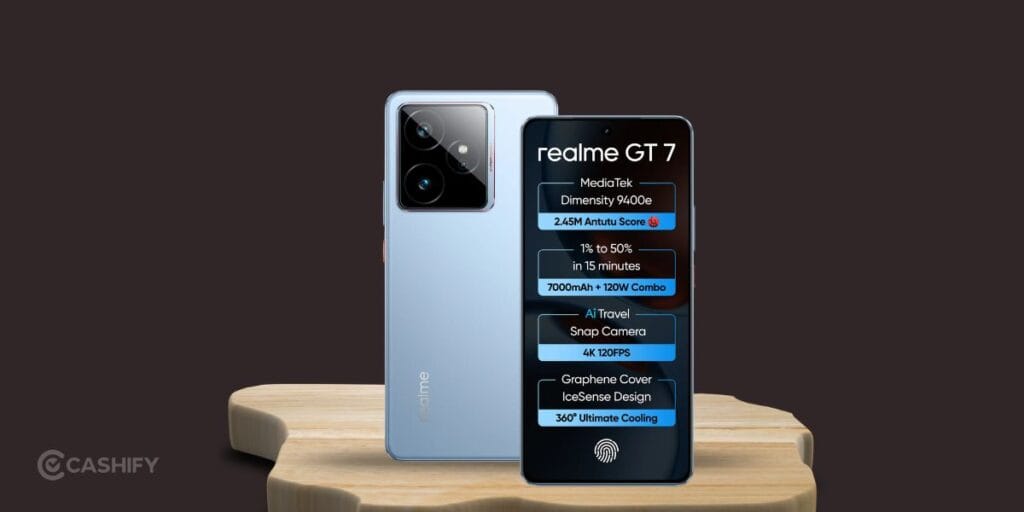
Average AnTuTu Score: Around 2.12 million
The realme GT 7 balances speed, battery life, and pricing very well. You get flagship-class responsiveness without spending as much as premium models from larger brands.
| Specification Category | Detail |
|---|---|
| Display | 6.78-inch Flat LTPO OLED Pro-Esports Display, 1.5K (2780 × 1264), 120Hz dynamic refresh rate, Dolby Vision, HDR10+, up to 6000 nits local peak brightness |
| Processor | MediaTek Dimensity 9400e (3nm Architecture), ARM Immortalis-G720 GPU |
| Memory (RAM) | 8GB / 12GB / 16GB LPDDR5X |
| Storage | 256GB / 512GB UFS 4.0 (Non-expandable) |
| Rear Camera Setup | Triple AI Travel Snap System:• 50 MP Wide Main (f/1.8, OIS)• 50 MP Telephoto Portrait (2x optical zoom, f/2.0)• 8 MP Ultra-Wide (f/2.2) |
| Front Camera | 32 MP, f/2.45 with AI Beautification |
| Battery & Charging | 7,000 mAh Ultra-Thick Silicon-Carbon Titan Battery• 120W Ultra Charge wired fast charging (0% to 100% in ~40 minutes) |
| Operating System | Realme UI 6.0 based on Android 15 (Up to 4 major Android upgrades promised) |
For someone who wants strong performance without stretching the budget too far, this phone deserves a close look.
Best for:
- Everyday flagship performance
- Gaming
- Battery life
Xiaomi 17T
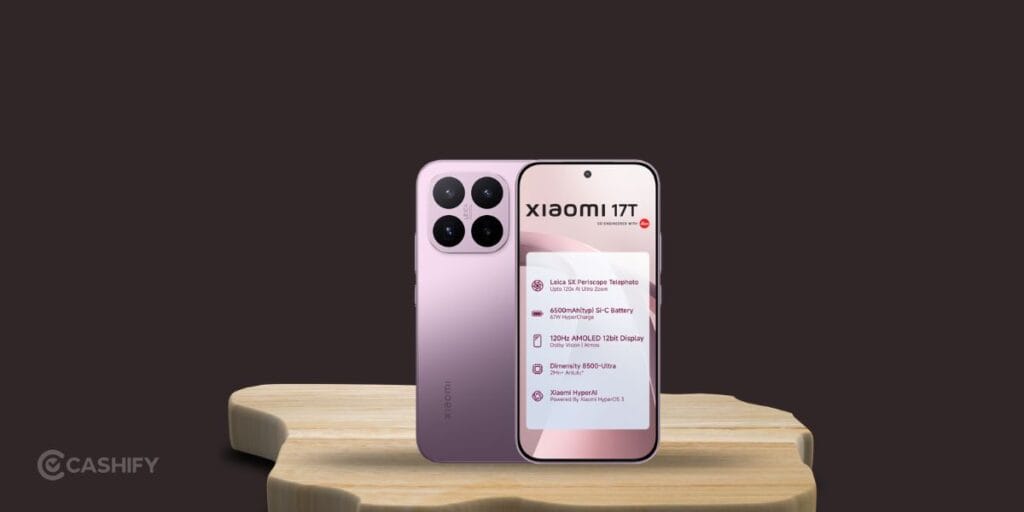
Average AnTuTu Score: Around 2.15 million
The Xiaomi 17T relies on MediaTek’s high-end architecture. It competes directly against Snapdragon flagship phones. The performance is excellent across gaming, multitasking, and demanding applications.
| Specification Category | Detail |
|---|---|
| Display | 6.59-inch 1.5K AMOLED (2756 × 1268), 120Hz refresh rate, 3840Hz high-frequency PWM dimming, 3500 nits peak brightness, Dolby Vision, HDR10+, Corning Gorilla Glass 7i |
| Processor | MediaTek Dimensity 8500-Ultra (4nm), Mali-G720 MC8 GPU, Xiaomi 3D IceLoop cooling system |
| Memory (RAM) | 12GB LPDDR5X |
| Storage | 256GB / 512GB UFS 4.1 (Non-expandable) |
| Rear Camera Setup | Triple Leica UltraPure Optics System:• 50 MP Main (Leica 23mm, Light Fusion 800, f/1.7, OIS, 1/1.55″ sensor)• 50 MP Telephoto (Leica 115mm, f/3.0, OIS, 5x Optical Zoom, 120x AI Zoom)• 12 MP Ultra-Wide (Leica 15mm, f/2.2, 115° FoV) |
| Front Camera | 32 MP, f/2.45 with AI Beautify |
| Battery & Charging | 6,500 mAh Silicon-Carbon (SiC) battery• 67W HyperCharge wired fast charging• 22.5W Reverse wired charging |
| Operating System | Xiaomi HyperOS 3.0 based on Android |
| Build & Durability | Premium glass front/back with clean aesthetic, plastic mid-frame, IP68 dust and water resistance |
| Biometrics | In-display optical fingerprint scanner, AI facial recognition |
| Connectivity | Dual Nano-SIM, 5G (SA/NSA), Wi-Fi 7, Bluetooth 5.4, NFC, Infrared Blaster |
| Dimensions & Weight | 157.6 × 75.2 × 8.17 mm; Weight: 200g |
If you don’t have a preference between Snapdragon and MediaTek, this phone is easy to recommend.
Best for:
- Balanced flagship performance
- Heavy users
- Multimedia
Xiaomi Redmi Turbo 5
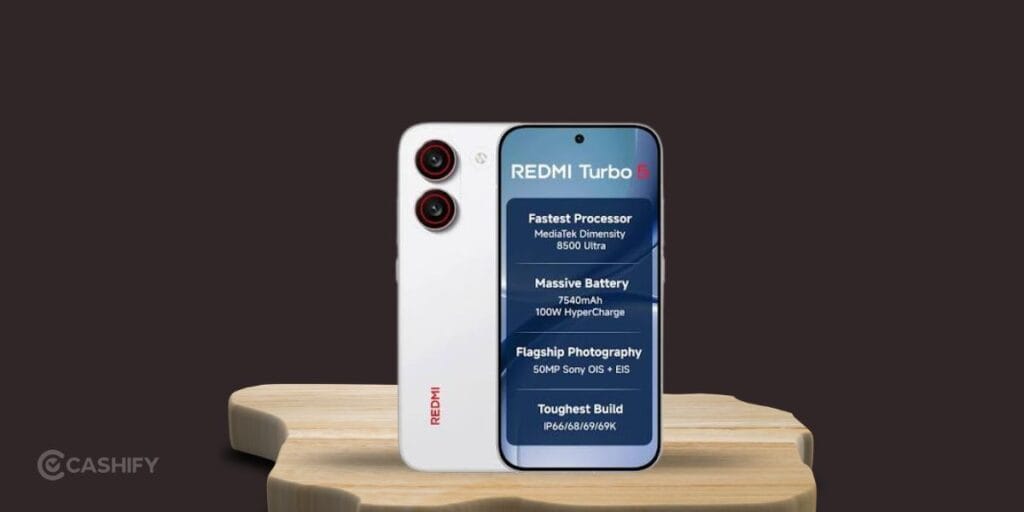
Average AnTuTu Score: Around 2.11 million
The Xiaomi Redmi Turbo 5 has outstanding performance without flagship pricing. It runs demanding apps comfortably and gives you plenty of processing power for long-term.
| Specification Category | Detail |
|---|---|
| Display | 6.59-inch Flat AMOLED, 1.5K (2756 × 1268), 12-bit (68B+ colors), 120Hz refresh rate, 3500 nits peak brightness, 3840Hz PWM dimming, Dolby Vision, HDR10+, Corning Gorilla Glass 7i |
| Processor | MediaTek Dimensity 8500-Ultra (4nm), Mali-G720 MC8 GPU, Xiaomi 3D IceLoop cooling system |
| Memory (RAM) | 8GB / 12GB / 16GB LPDDR5X Ultra RAM |
| Storage | 128GB / 256GB / 512GB UFS 4.1 high-speed storage (Non-expandable) |
| Rear Camera Setup | Dual Setup:• 50 MP Sony Main (IMX882, f/1.5, OIS, 4K video)• 8 MP Ultra-Wide (f/2.2) |
| Front Camera | 20 MP, f/2.2 AI Portrait Camera |
| Battery & Charging | 7,540 mAh Silicon-Carbon mega battery• 100W Xiaomi HyperCharge (wired fast charging)• 27W Wired reverse charging |
| Operating System | Xiaomi HyperOS 3 based on Android 16 (Up to 4 major upgrades promised) |
| Build & Durability | Aerospace-grade metal mid-frame, glass back, IP66 / IP68 / IP69 / IP69K quad-protection rating |
| Biometrics | In-display optical fingerprint reader, Face unlock |
| Connectivity | Dual Nano-SIM (Dual-Active 5G), Wi-Fi 6, Bluetooth 5.4, NFC, Infrared Blaster |
| Dimensions & Weight | 157.53 × 75.19 × 8.18 mm; Weight: 204 |
It’s ideal if raw speed matters more than premium materials.
Best for:
- Budget-conscious buyers
- Gaming
- Performance value
Motorola Edge 70 Pro+ 5G
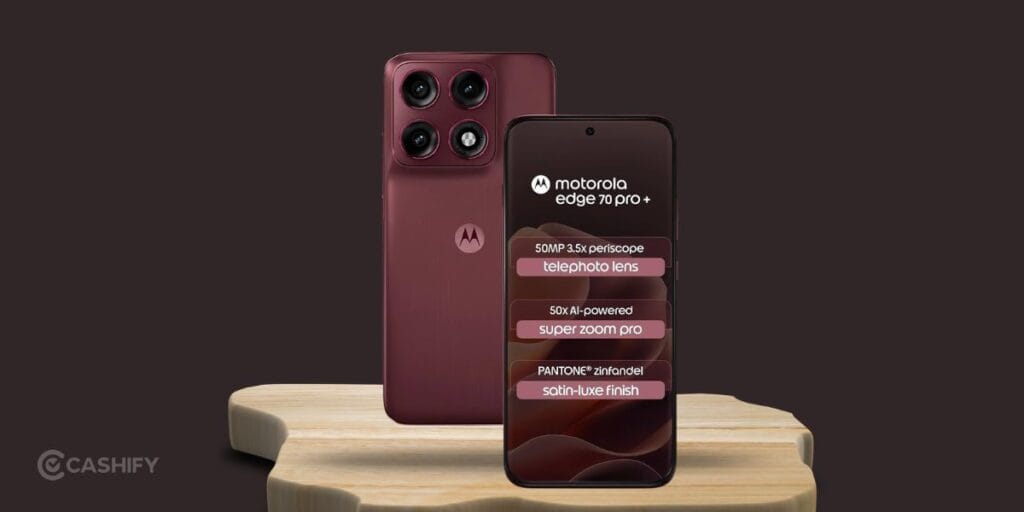
Average AnTuTu Score: Around 2.20 million
Motorola has quietly become a serious competitor in the premium segment. The Motorola Edge 70 Pro+ has thermal management, flagship-level performance, clean Android, and an attractive design. People who like a near-stock Android experience should keep this phone near the top of their shortlist.
| Specification Category | Detail |
|---|---|
| Display | 6.8-inch Quad-Curved Extreme AMOLED, Super HD (2772 × 1272), 144Hz refresh rate, 5200 nits local peak brightness, HDR10+, Pantone Validated™ Color, Water Touch technology, Corning Gorilla Glass 7i |
| Processor | MediaTek Dimensity 8500 Extreme (Octa-Core up to 3.4GHz) |
| Memory (RAM) | 12GB LPDDR5X |
| Storage | 256GB / 512GB UFS 4.1 (Non-expandable) |
| Rear Camera Setup | Triple AI Camera System:• 50 MP Main (Sony LYTIA 710, f/1.8, OIS, All-pixel focus)• 50 MP Ultra-Wide (122° FoV, f/2.0, Auto-Focus, Macro Vision)• 50 MP Periscope Telephoto (3.5x Optical Zoom) |
| Front Camera | 50 MP, f/1.9 with Quad Pixel technology |
| Battery & Charging | 6,500 mAh Silicon-Carbon battery• 90W TurboPower™ wired charging• 15W TurboPower™ wireless charging• 10W Wireless reverse charging / 5W Wired reverse charging |
| Operating System | Hello UI based on Android 16 (3 years of major OS upgrades + 5 years of security patches) |
| Build & Durability | Premium eco-finishes, plastic mid-frame, IP68 + IP69 dust/water resistance, MIL-STD 810H military-grade certification |
| Biometrics | On-screen fingerprint reader, Face Unlock |
| Connectivity | Dual Nano-SIM / eSIM, 5G, Wi-Fi 6E/7, Bluetooth 5.4, NFC, USB Type-C |
| Dimensions & Weight | Slim 7.19 mm (Silk/Twill models) or 7.34 mm (Wood models); Weight: 190g |
Best for:
- Clean Android
- Gaming
- Everyday flagship use
Also Read: Best Xiaomi 17T Alternatives: These 5 Phones Are Better Buys!
OPPO K13 Turbo Pro
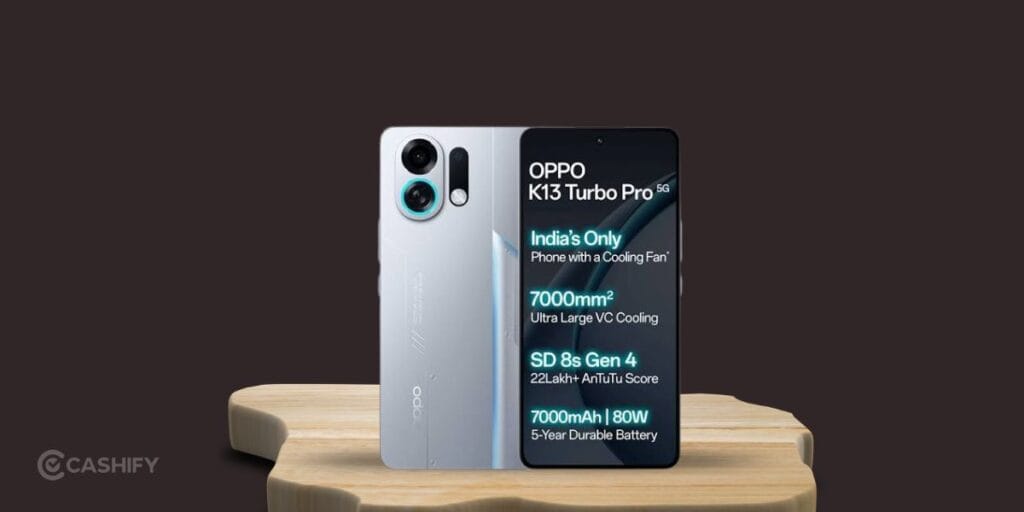
Average AnTuTu Score: Around 2.03 million
The OPPO K13 Turbo Pro focuses on getting the maximum possible performance for the price. If you care more about speed than luxury finishes, this phone gives excellent value.
| Specification Category | Detail |
|---|---|
| Display | 6.8-inch LTPS AMOLED, 1.5K (2800 × 1280), 120Hz refresh rate, 10-bit (1.07B colors), 1600 nits HBM (typical), AGC Dragontrail Protection |
| Processor | Qualcomm Snapdragon 8s Gen 4 (4nm), Adreno 825 GPU |
| Cooling | Hardcore Integrated Active Cooling Fan (with fan cleaning brush included in the box) |
| Memory (RAM) | 8GB / 12GB / 16GB LPDDR5X |
| Storage | 256GB / 512GB UFS 4.0 |
| Rear Camera Setup | Dual Setup with OIS:• 50 MP Main (f/1.8, 2-axis OIS, AF, 4K@60fps)• 2 MP Monochrome / Portrait Lens (f/2.4) |
| Front Camera | 16 MP, f/2.4 selfie camera |
| Battery & Charging | 7,000 mAh High-Density Battery• 80W SUPERVOOC wired fast charging• Bypass Charging supported (powers hardware directly during gaming) |
| Operating System | ColorOS 15 based on Android 15 |
| Build & Durability | 360° Armor Body, 7.3 mm ultra-thin profile, IP66 / IP68 / IP69 triple-certified water and high-pressure jet resistance |
| Biometrics | In-display optical fingerprint scanner, AI Face Unlock |
| Connectivity | Dual Nano-SIM, 5G (SA/NSA), Wi-Fi 6, Bluetooth, NFC, Infrared Blaster |
| Dimensions & Weight | 162.8 × 77.2 × 7.3 mm; Weight: 208g |
Best for:
- Budget performance
- Gaming
- Everyday speed
What This Performance Means For Gaming
A score around 2 million changes the gaming experience in noticeable ways.
Popular titles like Genshin Impact, Honkai: Star Rail, PUBG Mobile, Call of Duty: Warzone Mobile, and BGMI can run at high graphics. All this is done while maintaining stable frame rates.
Many phones with 2 Million AnTuTu Score also include large vapour chamber cooling systems. It helps maintain performance during long gaming sessions. Some even add dedicated display chips that increase frame rates up to 120Hz or 144Hz.
If gaming is your priority, don’t look only at benchmark scores. Check cooling performance, display quality, battery life, and software optimisation too.
Camera Improvements You Actually Notice
The processor inside these phones does far more than run apps. They include advanced image processing hardware to improves photography in several ways.
You’ll notice:
- Faster shutter response during burst shooting.
- Better low-light photos through advanced multi-frame processing.
- Stable 4K and even 8K video recording.
- AI photo editing directly on the phone.
- Object removal, background expansion, face enhancement, and photo cleanup without relying on cloud processing.
Editing becomes faster, photos process instantly, and the camera feels much more responsive.
Should You Buy A Phone Just Because It Scores 2 Million?
Not necessarily.
A benchmark is only one part of the buying decision.
Before buying, think about:
- Camera quality
- Battery life
- Charging speed
- Display quality
- Software updates
- Build quality
- Service network
- Your budget
For example, someone who mainly takes photos might prefer the Galaxy S25. A gamer could get better value from the iQOO Neo 10. Someone wanting an all-round flagship might lean toward the OnePlus 12.
The best phone isn’t always the one scoring the highest. It’s the one that fits your daily routine.
FAQs
1. Is a 2 million AnTuTu score good?
Yes, a 2 million AnTuTu score indicates flagship-level performance for gaming, multitasking, and everyday use.
2. Can a phone with a 2 million AnTuTu score handle gaming?
Yes, it can run demanding games like BGMI, Genshin Impact, and Call of Duty: Warzone Mobile at high graphics settings.
3. Does a higher AnTuTu score mean a better phone?
Not always. Camera quality, battery life, display, software, and overall user experience are equally important.
4. Which processors typically score around 2 million on AnTuTu?
Flagship chipsets such as the Snapdragon 8 Gen 3, Snapdragon 8 Elite, and MediaTek Dimensity 9400 series typically achieve these scores.
5. How long will a phone with a 2 million AnTuTu score remain fast?
With regular use, it should deliver smooth performance for at least four to five years.
6. Which are the best phones with around a 2 million AnTuTu score?
The OnePlus 12, Samsung Galaxy S25, and iQOO Neo 10 are among the best options available.WriteEditFeedback
Conclusion
If you’re investing in a new phone today, phones with 2 million AnTuTu score is a smart place to start. It gives you enough performance for games, multitasking, AI tools, and Android updates. You won’t feel outdated anytime soon.
My advice is simple: decide what matters most before comparing benchmark scores. If you want the best all-around experience, the OnePlus 12 is hard to beat. For cameras and software support sit at the top of your list, the Galaxy S25 is a great pick.
If you’ve just bought a new phone and don’t know what to do with your old phone, then here’s your answer. Sell old mobile to Cashify and get the best price for it. If you are planning to buy a new phone, check out Cashify’s refurbished mobile phones. You can get your favourite phone at almost half price with six-month warranty, 15 days refund and free delivery.