

Selling old electronics online has become extremely common in India. Whether it is an old iPhone, Samsung phone, MacBook, gaming console, tablet, or smartwatch, many people now prefer selling unused gadgets instead of letting them collect dust at home. However, used electronics scams are growing significantly in India.
Some scammers use fake payment screenshots, while others manipulate sellers emotionally or try to reduce prices at the last minute. In many cases, people lose both money and devices simply because they trusted the wrong buyer.
The good thing is that most of these scams follow predictable patterns. Once you understand how fake buyers operate, spotting red flags becomes much easier.
If you are planning to sell an old phone or gadget online, here are some of the most common fake buyer tactics sellers should know in 2026.
Also Read: Google Pixel 6A Vs Pixel 7 Resale: Which Offers More Value?
The Fake Payment Screenshot Scam
This is probably the most common scam happening in used electronics deals today.
The buyer meets you, checks the device, and agrees to the price. Then they “make the payment” using UPI or bank transfer and immediately show a screenshot as proof.
At first glance, everything looks genuine. The amount is correct, your name appears on the screen, and the transaction seems successful.
But there is one problem- the money never actually arrives.
Some scammers use edited screenshots, while others rely on fake payment apps that generate realistic-looking transaction confirmations. They usually try to create urgency by saying things like, “The server is slow,” or “The bank takes a few minutes to update.”
Many sellers panic in that moment. They feel awkward delaying the deal and hand over the phone before checking their bank account properly.
That single mistake can cost thousands of rupees. Whenever you sell any electronic device, never rely only on screenshots. Always check your own bank account or payment app directly. If the money is not credited, the deal is not complete.
The Last-Minute Bargaining Trap
Almost every online seller has experienced this used electronic scam at least once.
The buyer agrees to your listed price over chat or phone call. Everything seems final. But when they arrive for pickup, the negotiation suddenly starts again.
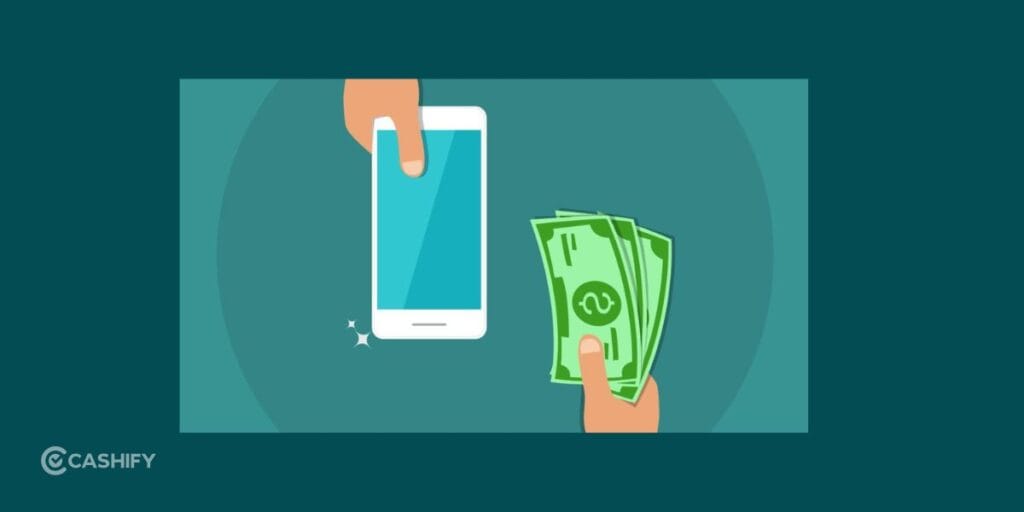
They begin pointing out tiny scratches, normal battery drain, or minor cosmetic marks that were already visible in photos. Some buyers even pretend to discover “serious issues” during inspection just to pressure you into lowering the price.
What makes this tactic work is psychology.
By the time the buyer arrives, many sellers are already mentally committed to the deal. They don’t want the hassle of relisting the device or waiting for another buyer. Scammers understand this and intentionally create pressure at the final moment.
A ₹3,000 or ₹5,000 reduction may sound small during the conversation, but it can make a huge difference in the actual resale value.
The best way to avoid this situation is simple: decide your lowest acceptable price before the meeting. If the buyer suddenly changes terms unfairly, be prepared to walk away.
Genuine buyers usually negotiate early, not after reaching your location.
Also Read: Pre-Sale Checklist: Remove Banking Apps & UPI IDs Before Selling
Buyers Who Pretend Something Is Broken
Another common used electronics scam involves fake inspection complaints.
Some buyers intentionally manipulate the device during testing to make it appear faulty. They may reduce brightness and claim the display has issues. Others lower speaker volume and pretend the audio sounds damaged.
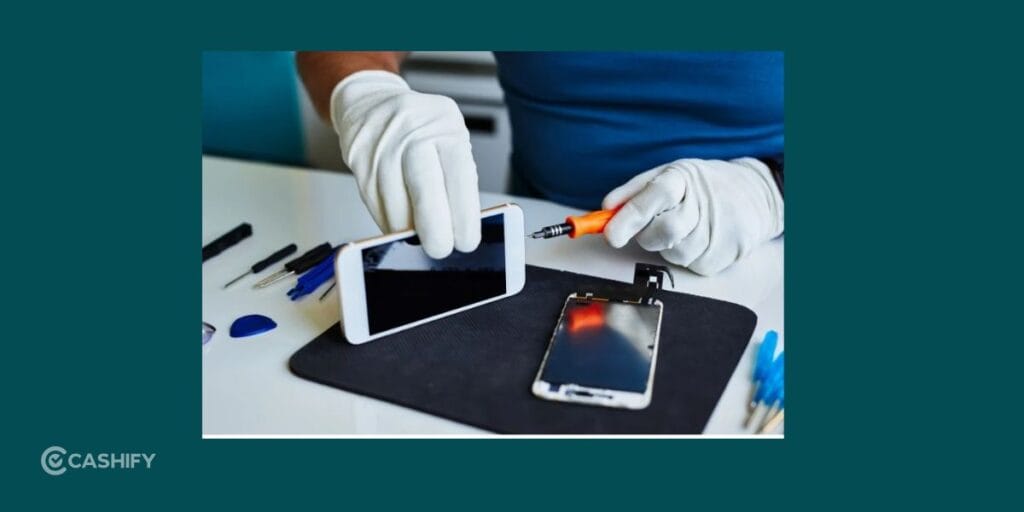
Sometimes they exaggerate normal heating or claim the battery drains “too quickly” after using the phone for only a few minutes.
This tactic mainly targets sellers who are not very technical or who feel nervous during negotiations.
The scam works because uncertainty creates doubt. Once the seller starts second-guessing their own device, they become more willing to accept lower prices.
Before selling any gadget, spend time checking its condition properly. Test the speakers, cameras, battery health, charging speed, and display. If possible, keep screenshots or diagnostic reports ready.
Confidence matters during resale deals. The more clearly you know your device condition, the harder it becomes for fake buyers to manipulate you.
The “Urgent Buyer” Pressure Trick
Some scammers don’t focus on the device itself. Instead, they focus on your emotions.
These buyers usually behave in a rushed and dramatic manner. They may say they are traveling tonight, urgently need a phone for work, or can only meet immediately.
The goal is simple- reduce your thinking time.
When people feel rushed, they are less likely to verify payments carefully or notice suspicious behavior. Fake buyers understand this very well.
In many cases, the urgency is completely fake.
A genuine buyer will usually understand basic safety checks and reasonable waiting time. Someone who constantly pressures you to “finish quickly” deserves extra caution.
Selling electronics should never feel rushed. If a buyer becomes too aggressive or impatient, it is better to pause the deal rather than risk losing your money or device.
The Fake Courier Pickup Scam
This scam has become extremely popular on social media marketplaces.
The buyer claims they live in another city and cannot meet personally. Instead, they offer to arrange courier pickup from your home.

At first, the process sounds professional. They may even send fake shipping receipts or courier booking screenshots.
Then comes the catch.
The seller is asked to pay a small “insurance fee,” “processing charge,” or “refundable shipping deposit” before pickup happens.
Once the payment is made, the buyer disappears. Some scammers also send fake payment links that steal banking details or UPI credentials.
No genuine buyer asks sellers to pay money in order to complete a sale. If someone asks for shipping fees upfront, it is usually a major red flag.
Also Read: Top 3 Features That Make Phone Resale Higher In 2026
Buyers Asking for OTPs
This scam sounds unbelievable until it actually happens.
Some fake buyers pretend they need an OTP to verify payment, confirm pickup, or complete transfer formalities. They speak confidently and make the process sound official.
But OTPs are never required for receiving payments. The moment you share an OTP, scammers may gain access to your bank account, UPI apps, or digital wallets.
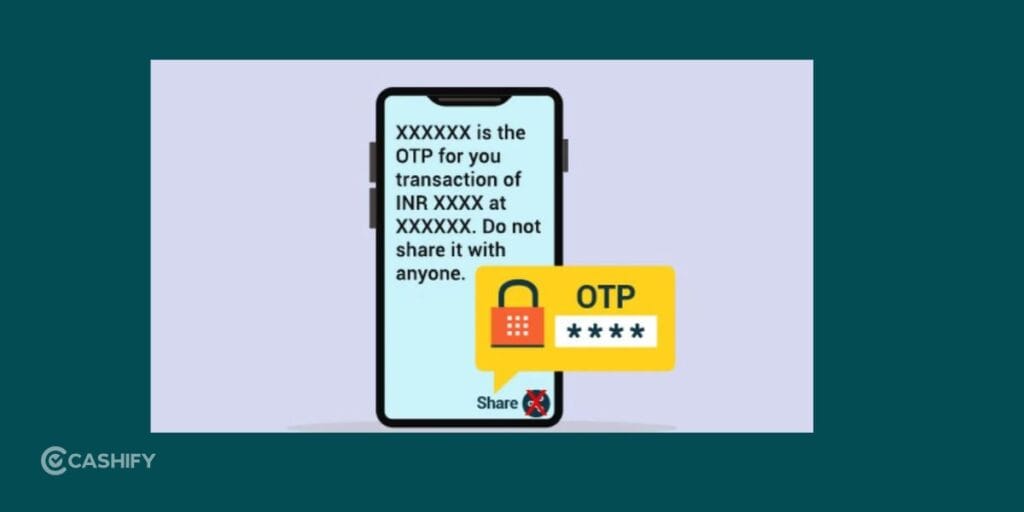
Unfortunately, many people still fall for this because the buyer sounds convincing and professional during calls.
It is important to remember one simple rule: no genuine electronics buyer needs your OTP, PIN, password, or banking login details.
Not during payment. Not during pickup. Not during verification.
Why Selling Through Trusted Platforms Feels Safer

Because of rising used electronics scams, many people now prefer trusted buyback platforms instead of dealing with unknown buyers directly. That is one reason platforms like Cashify have become increasingly popular among users looking for a safer selling experience.
The biggest advantage is peace of mind.
Instead of handling random negotiations, unsafe meetings, or fake payment risks, Cashify offers structured inspections, transparent pricing, and secure payment systems.
For many users, convenience matters just as much as resale value.
You get free doorstep pickup, instant price quotes, and verified transactions with cashify, thereby, reducing the stress that often comes with selling gadgets online.
How To Sell Old Devices With Cashify?
Now that you know where to sell your old devices to avoid used electronics scams, let us have a look at the steps to sell:
- Visit the official website of Cashify or use the Cashify app.
- Head to the Sell Old phone, Sell Old Laptop, Sell Old Gaming Consoles or the dedicated selling page for the device you would like to share.
- Next, choose the brand and model and then select the variant.
- You will get an estimated price for your device.
- Now, click on Get Exact Value> Answer device-related questions> Schedule the pickup.
After the device is verified and picked up, you will get payment instantly.
Final Thoughts
Used electronics scams are becoming smarter every year as online resale markets continue growing across India.
Fake buyers no longer rely only on obvious tricks. Many now use emotional pressure, fake payment screenshots, courier scams, and psychological tactics to manipulate sellers during deals.
The good thing is that awareness can prevent most of these problems.
Before selling any old phone, laptop, tablet, smartwatch, or gaming console, take your time, verify everything carefully, and avoid rushing important steps.
And if you want a safer, faster, and hassle-free selling experience, Cashify can help you avoid risky buyers while making the resale process much smoother.
Also Read: Realme Vs Motorola Resale Value: Which Phone Gives Better Return?
Buying refurbished mobile phones was never this easy. Sell your old phone and get exclusive offers & discounts on refurbished mobiles. Every refurbished phone is put through 32-point quality checks to ensure like-new standards and comes with a six-month warranty and 15-day refund. Buy refurbished phone easily on no-cost EMI today!