

Hunting for a new camera lens that suits your nature and wildlife photography and provides that extra focus and clarity while you’re capturing some birds from a far distance? Well, you have landed on the right article. In 2026, camera lenses have evolved a lot and finding the right fit that suits your needs is difficult. But worry not, we’ve got you covered. We are going to explore some of the best lens options and give you the best lens for wildlife photography. So, without further ado, let us begin.
Find The Best Lens For Wildlife Photography Here: Check Our Top Recommendations
Wildlife photography is very different from everyday photography. You may be shooting from a moving safari gypsy, dealing with dust and harsh sunlight, or trying to capture a tiger in a dark forest at sunrise. The right lens can make these situations much easier to handle.
Before we give you the best lens for wildlife photography, it is important to tell you the criteria and needs first. Which kind of lenses should you look for? Well, we have prepared a guide for that.
Also Read: 7 Best Budget Camera Lens Under 20000: Top Picks For Every Photographer
Criteria For The Best Lens For Wildlife Photography: Top Specs You Should Look For
If you are looking for the best lens for wildlife photography, then here are the main checkpoints you should look for:
1. Long Focal Length
Wild animals rarely come close enough for a normal camera lens. A lens with a longer focal length, such as 300mm, 400mm, 500mm or 600mm, lets you photograph animals from a safe distance while still filling the frame with your subject.
For beginners, a 100–500mm or 150–600mm zoom can be particularly useful because you can change the magnification as the animal moves.
2. Wide Aperture
The aperture determines how much light enters the lens. A wider aperture such as f/2.8 or f/4 is especially useful during early-morning and evening safaris when light is limited.
It also helps create a blurred background, making the animal stand out from trees, grass and other distractions.
3. Image Stabilisation
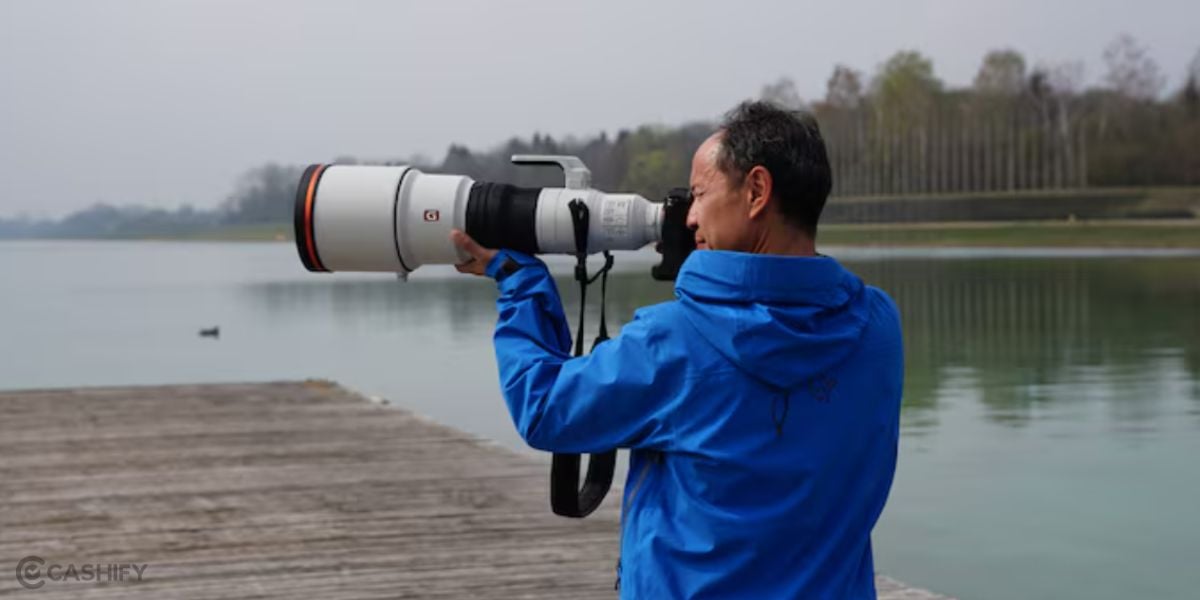
Wildlife photographers often shoot handheld or rest their camera on a safari vehicle rather than using a tripod.
Optical image stabilisation helps reduce the effects of hand movement, making it easier to capture sharper images, particularly at longer focal lengths.
4. Autofocus Performance
Animals rarely stay still. A good wildlife lens should therefore have fast and accurate autofocus that can quickly lock onto a moving tiger, bird or leopard.
This becomes especially important when photographing animals running, flying or suddenly crossing the safari track.
5. Weight and Handling
A 600mm lens may offer incredible reach, but it can become difficult to hold for several hours. If you are a beginner, the best lens for wildlife photography is not the heavy-bulk big show for you. Instead, go for a lighter one. A slightly lighter lens that you can comfortably handle may produce better results than a heavier lens that becomes tiring to use.
6. Zoom or Prime?
A zoom lens gives you different focal lengths in one lens, making it easier to photograph animals at changing distances. A prime lens has one focal length but can offer exceptional sharpness and wider apertures.
For beginners and intermediate photographers, zooms are generally more versatile. Professionals may prefer primes for maximum image quality and low-light performance.
Also Read: Best Refurbished Telephoto Lenses To Buy: Top Picks Revealed!
Best Lens For Wildlife Photography: Top 5 Picks
1. Sony FE 200–600mm F5.6–6.3 G OSS
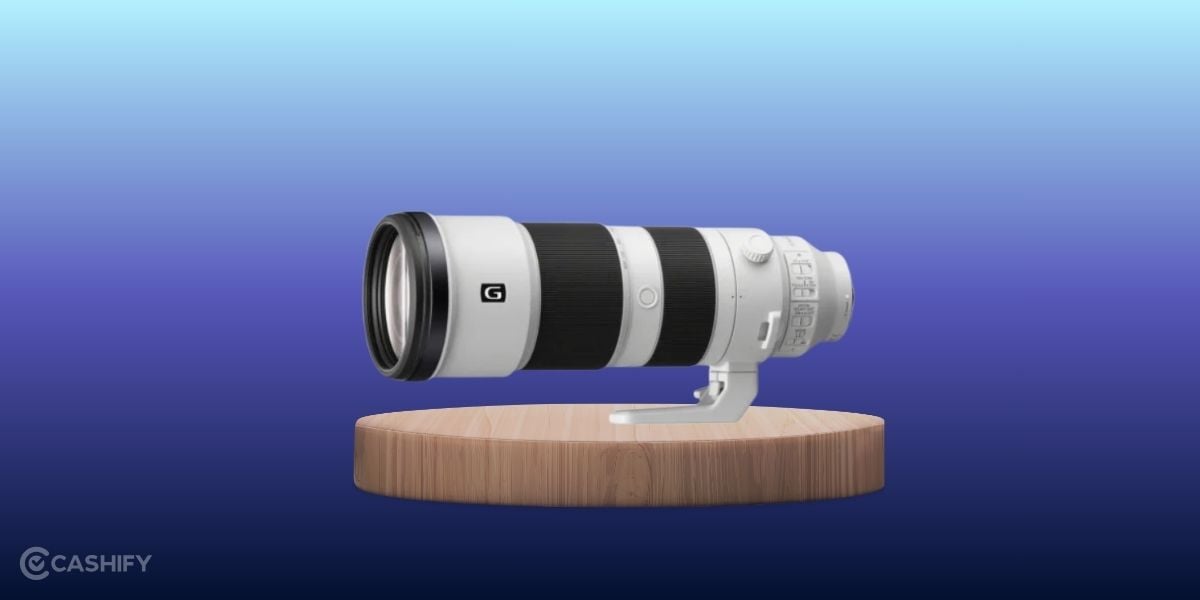
The first pick from our side for you to find the best lens for wildlife photography is the Sony FE G OSS lens. The Sony 200–600mm is an excellent all-round super-telephoto lens for wildlife photographers who want substantial reach without investing in a professional prime. Its versatile range works particularly well for Indian safaris and bird photography.
Key Specs
- Focal length: 200–600mm
- Maximum aperture: f/5.6–6.3
- Optical image stabilisation: Yes
- Internal zoom mechanism
Who Should Buy This Lens?
Its internal zoom is useful on dusty safari tracks because the lens barrel does not extend during zooming. The 600mm reach works well for tigers, leopards and birds, while 200mm gives you more flexibility when larger animals move closer to the gypsy.
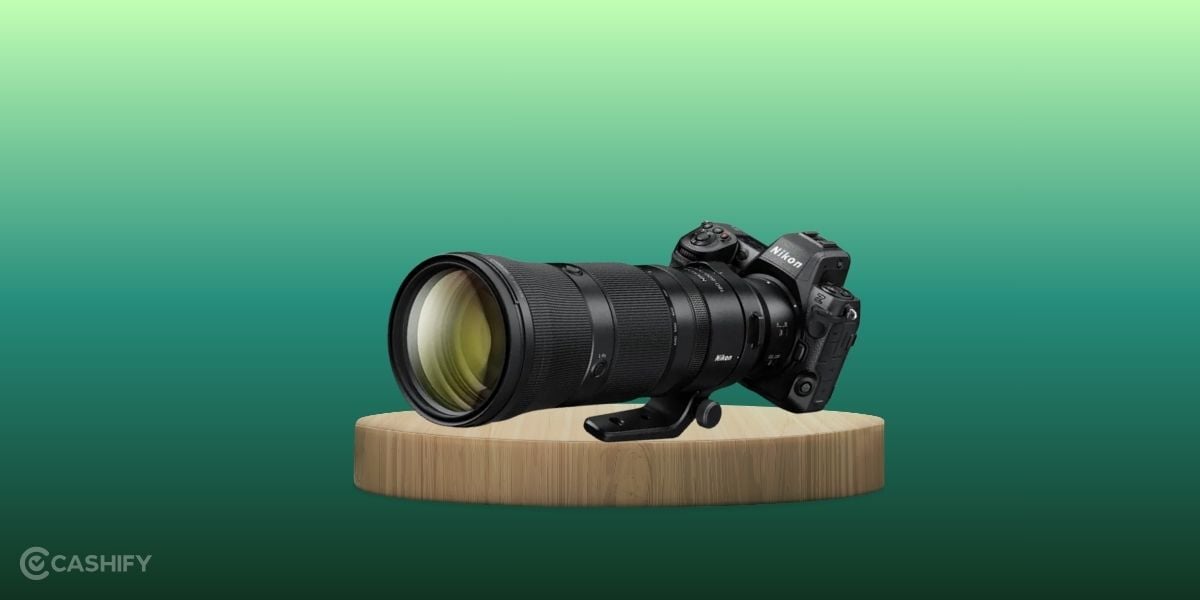
2. Nikon Z 180–600mm F5.6–6.3 VR
The Nikon Z 180–600mm combines long reach with a practical zoom range, making it a strong choice for photographers entering serious wildlife photography. Its stabilisation and straightforward handling make it particularly suitable for safari shooting.
Key Specs
- Focal length: 180–600mm
- Maximum aperture: f/5.6–6.3
- Vibration Reduction: 5.5 stops
- Short zoom rotation
Who Should Buy This Lens?
The Nikon Z 180-60mm lens is the best lens for wildlife photography if you are in the open grassland areas of Gujarat, Rajasthan, Madhya Pradesh, etc. It has a long range, which is useful when animals are far away in open grasslands, while the 180mm starting point helps when wildlife approaches. Its stabilisation is particularly useful when shooting handheld or from a safari vehicle.
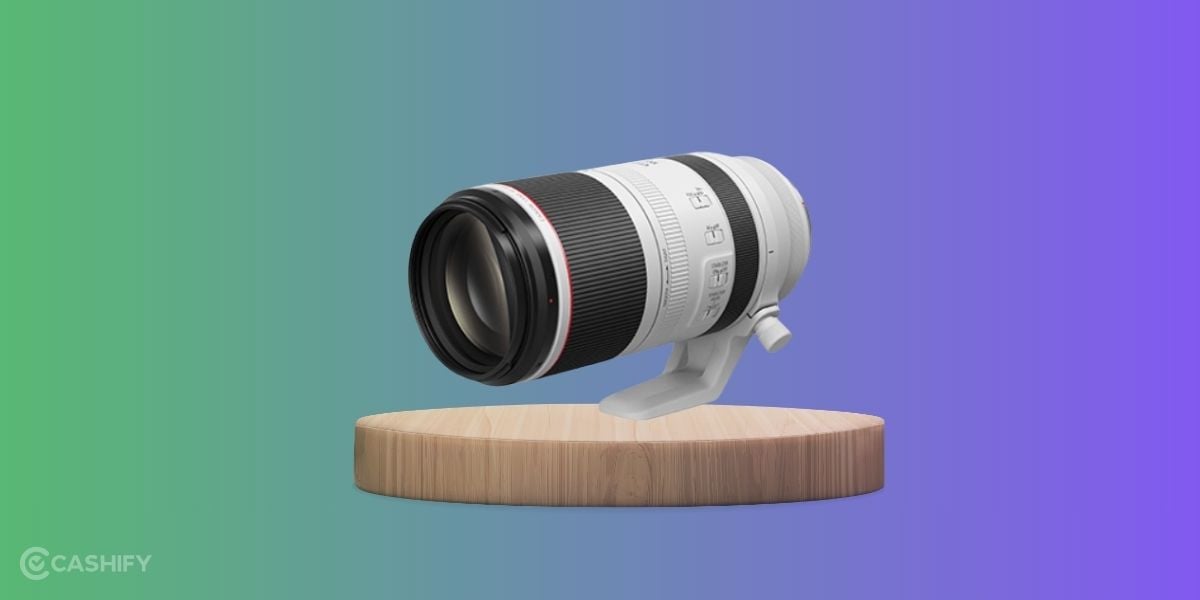
3. Canon RF 100–500mm F4.5–7.1L IS USM
The third and last pick for beginners hunting for the best lens for wildlife photography us the Canon RF. The RF 100–500mm is an attractive option. It combines a useful focal-length range with relatively low weight, making it easier to carry and handle throughout a long safari.
Key Specs
- Focal length: 100–500mm
- Maximum aperture: f/4.5–7.1
- Optical image stabilisation
- L-series construction
Who Should Buy This Lens?
Its 100mm starting point is helpful when elephants, deer or big cats get close to the vehicle. Its compact design is also convenient when space is limited inside a crowded gypsy and when shooting handheld for extended periods.
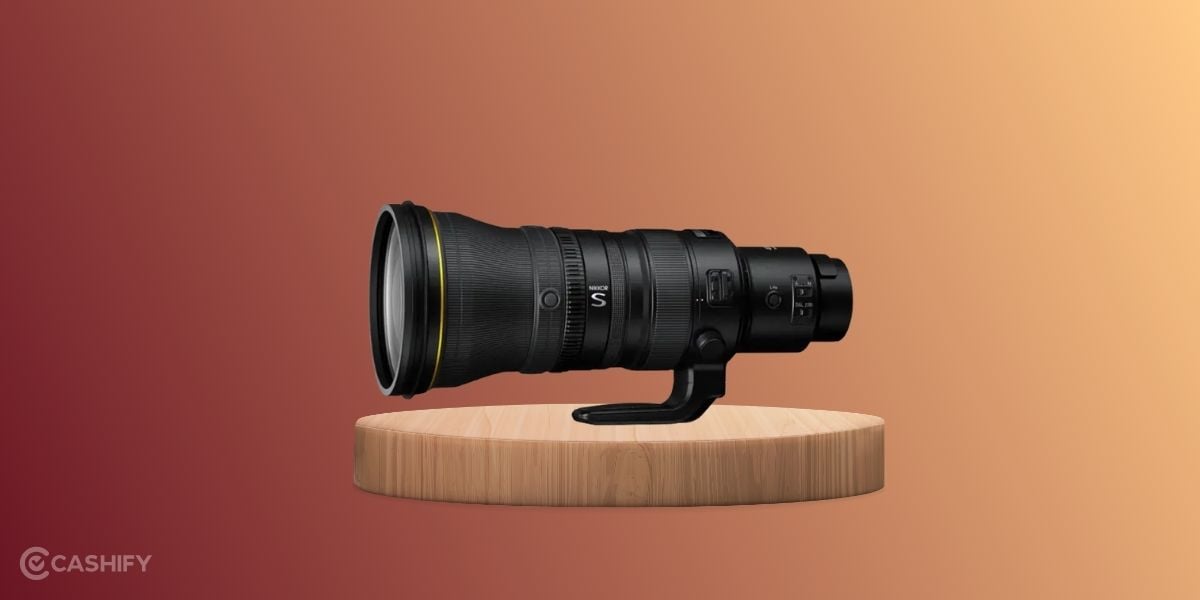
4. Nikon Z 400mm F2.8 TC VR S
The Nikon Z 400mm f/2.8 TC VR S is a premium wildlife lens designed for photographers who demand exceptional low-light performance and flexibility. Its built-in teleconverter makes it possible to switch focal lengths without changing lenses in dusty environments.
Key Specs
- Focal length: 400mm
- Maximum aperture: f/2.8
- Built-in 1.4x teleconverter
- Converts to 560mm f/4
- Vibration Reduction
Who Should Buy This Lens?
This is the best lens for wildlife photography if you are into night-time shooting or in the dense forests where you don’t want noise and hustle. The f/2.8 aperture is particularly valuable during dawn and dusk, when Indian wildlife is often active but light levels are low. The built-in teleconverter lets photographers switch to 560mm instantly, making it useful for both close encounters and distant subjects without exposing much.
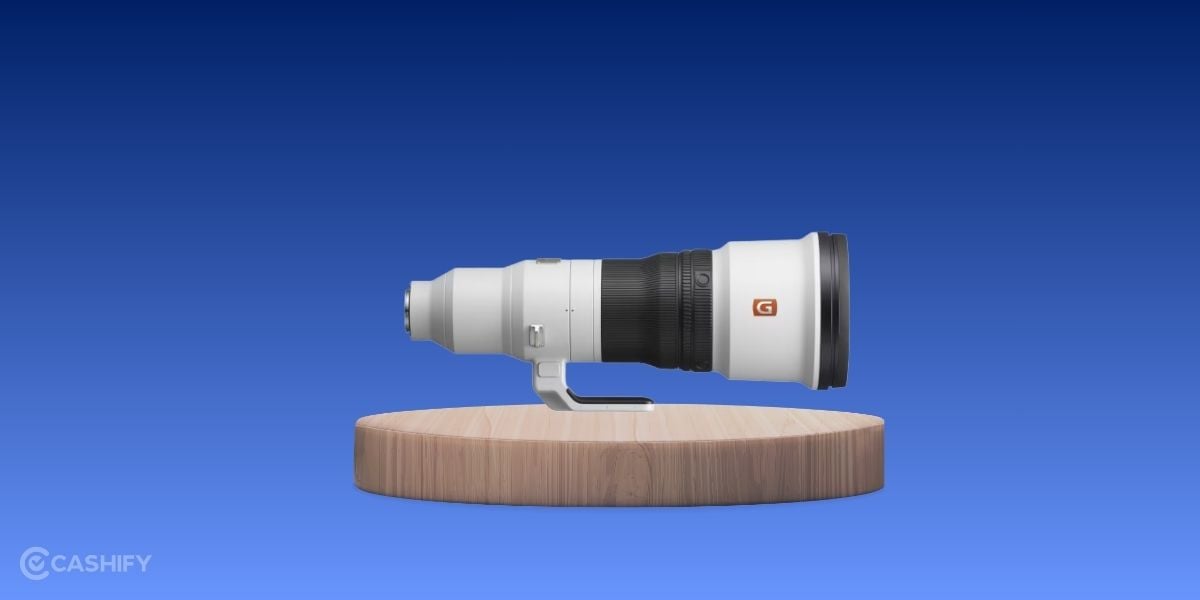
5. Sony FE 600mm F4 GM OSS
The last pick in this list of the best lens for wildlife photography is the Sony FE 600 mm OSS lens.
The Sony FE 600mm F4 GM OSS is a premium super-telephoto prime built for professional wildlife photographers who need exceptional reach, sharpness and low-light performance. Its f/4 aperture is particularly valuable during early-morning and evening safaris.
Key Specs
- Focal length: 600mm
- Maximum aperture: f/4
- Optical image stabilisation
- Professional G Master construction
- Compatible with Sony teleconverters
Who Should Buy This Lens?
The 600mm reach is excellent for photographing distant tigers, leopards and birds without getting too close to the animal. Its f/4 aperture helps maintain faster shutter speeds in shaded forests and low morning light, while image stabilisation makes handheld or beanbag-supported shooting from a gypsy more manageable.
Also Read: How To Take Better Photos From Phone
In A Nutshell
That’s it from this guide. We have brought you the best lens for wildlife photography in the form of top 5 picks. Each one has a different purpose to serve. The Sony lenses in the first and last positions are mainly for bird shooters, jungle safari enthusiasts, and others. The Canon and Nikon ones are suited for both open grasslands and dense jungles! So, make sure you pick the right lens, take good care of it, and enjoy your wildlife photography and take it to the next level!
Are you still browsing through your broken screen? Don’t worry! Book at-home mobile phone screen repair with Cashify—an affordable and one-stop destination for all your mobile phone needs. In case you break your screen within 1 month of repair, we will replace your screen again—for FREE.