Vivo V80 Price in India and Variants
Vivo V80 is priced in India at ₹62,999 for the 8GB RAM + 128GB storage variant, while the 8GB RAM + 256GB and 512GB variants are priced at ₹69,999 and ₹79,999, respectively.
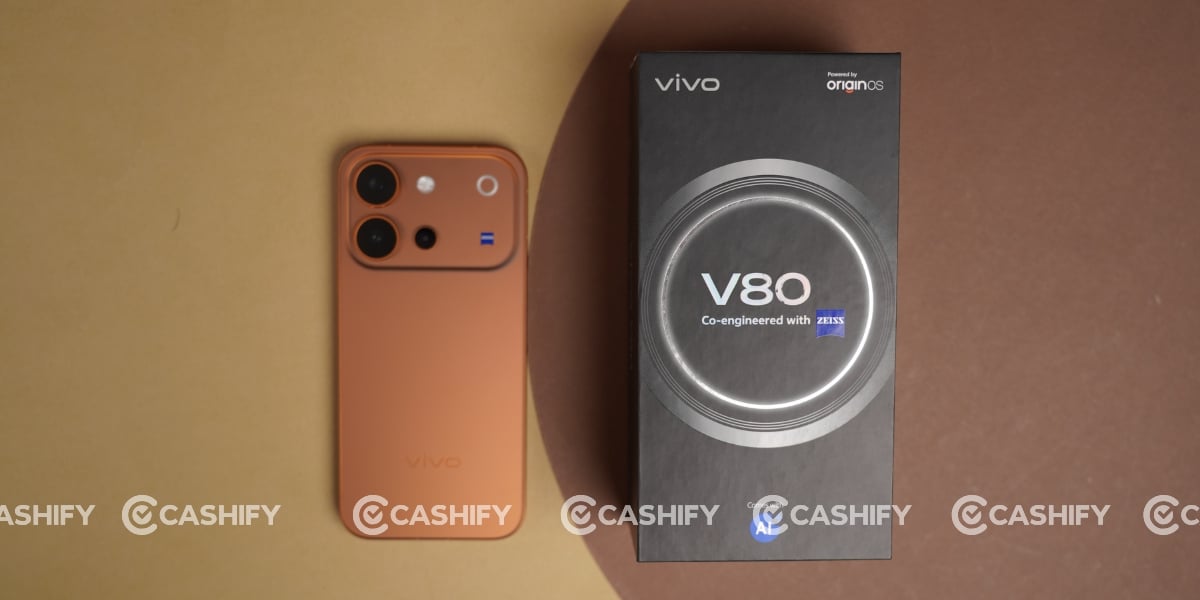
The phone is available in Sunrise Anthem and Horizon Blue colours. You can buy it from Vivo’s online and offline stores, Amazon, Flipkart, Vijay Sales, and other e-commerce platforms.
Vivo V80 Box Contents
The Vivo V80 packs the following items inside the box:
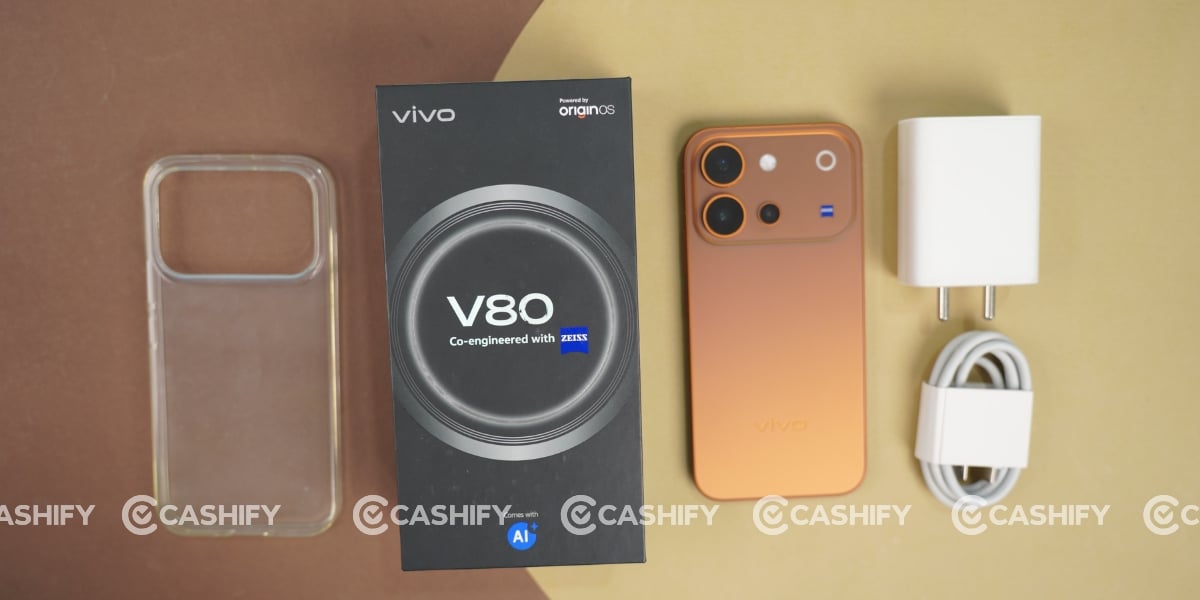
- Phone
- 90W Charger
- Type-C cable
- SIM ejector tool
- Protective cover
- Documentation
Vivo V80 Specs at a glance
Before we talk in detail about the Vivo V80, let’s see what the on-paper specs look like:
- Display: 6.59 inches AMOLED screen
- Chipset: Qualcomm SM7750-AB Snapdragon 7 Gen 4 (4 nm)
- RAM & ROM: 128GB 8GB RAM, 256GB 8GB RAM, 512GB 8GB RAM
- Software: Android 17, up to 4 major OS updates, OriginOS 7
- Rear camera: 50MP, 50MP, 8MP
- Selfie camera: 50MP
- Battery: 7200mAh
- Weight: 203 grams
- Dimensions: 157.5 x 74.3 x 7.7 mm
Vivo V80 Design and Build
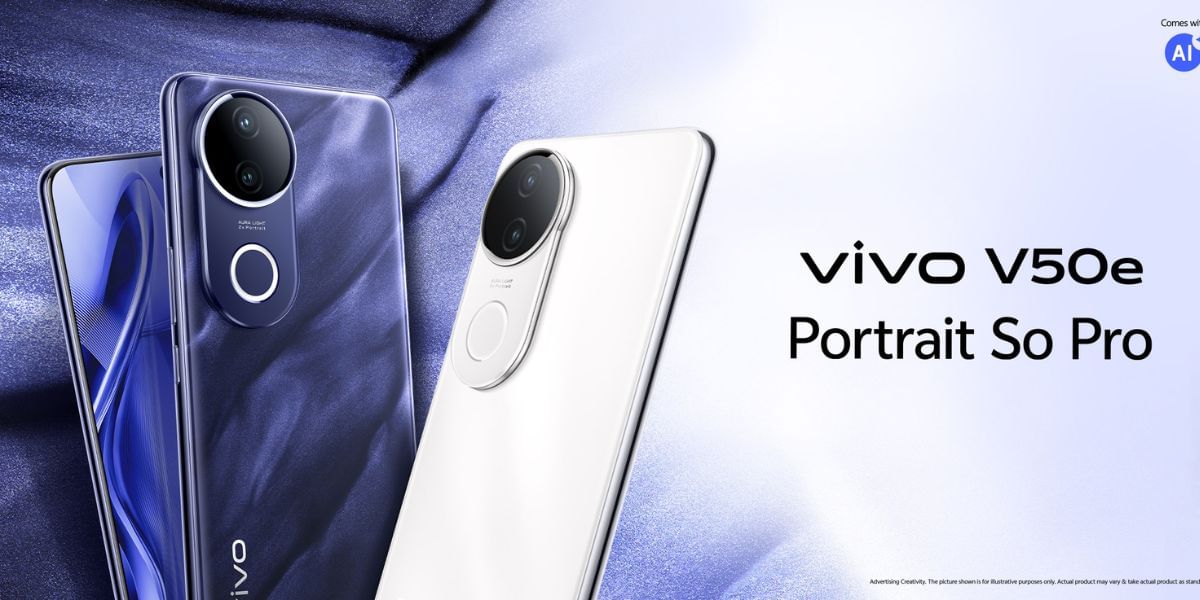
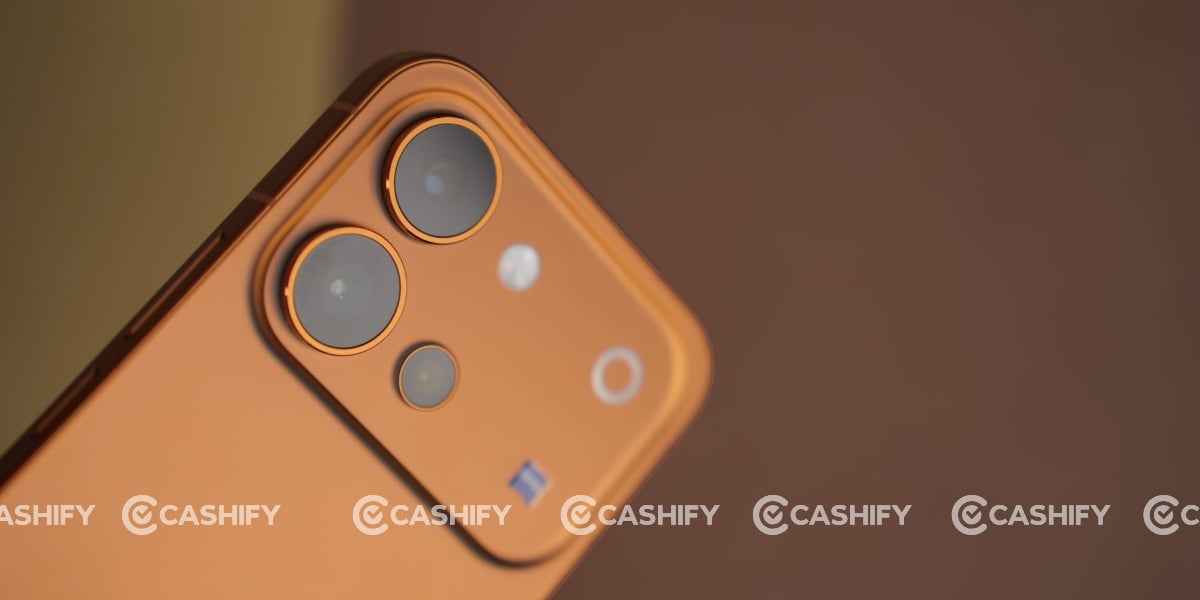
The design of the Vivo V80 is quite premium, with the ‘Sunrise Anthem’ colour being a standout feature, as it closely resembles the Apple iPhone 17 Pro Cosmo Orange look. The variant I have comes with a Sunrise Anthem colour finish, which gives the back of the phone a very appealing look.
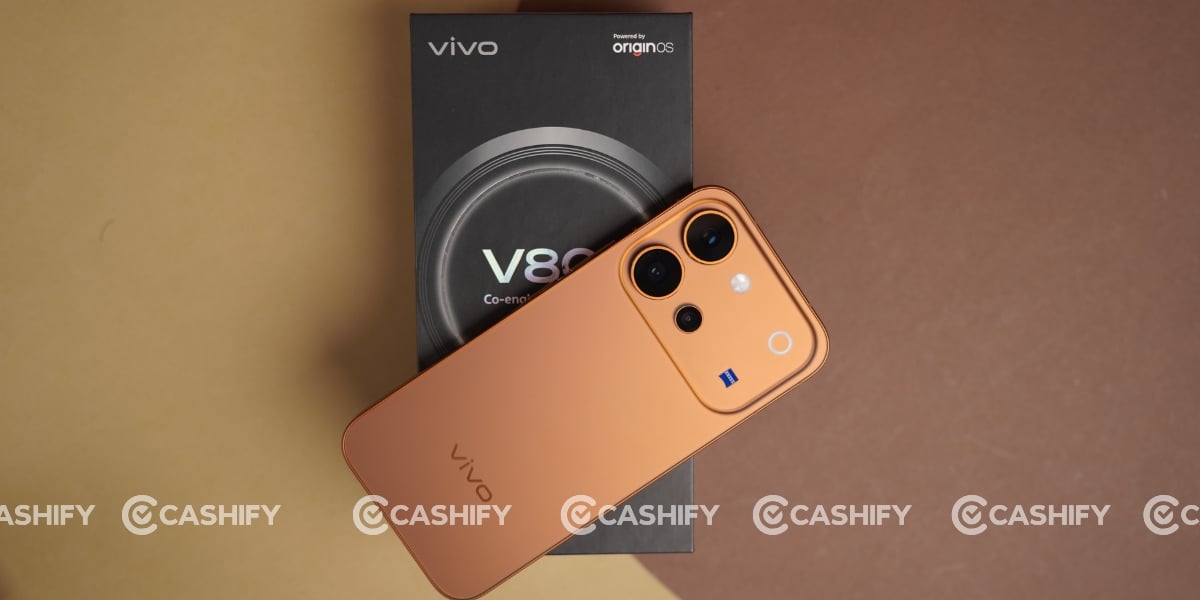
I posted images of this phone on social media, and I got many messages saying they were confused about whether it looked like Apple or Vivo. I have used the V series from Vivo, from V40 to V80, and the latest brings some freshness in the design.
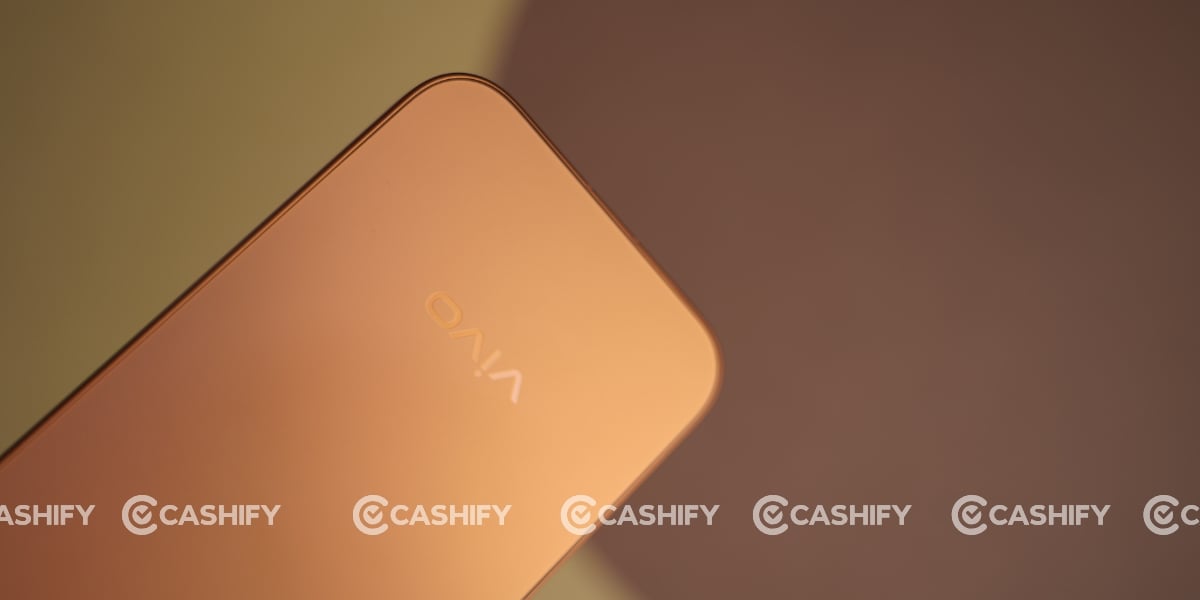
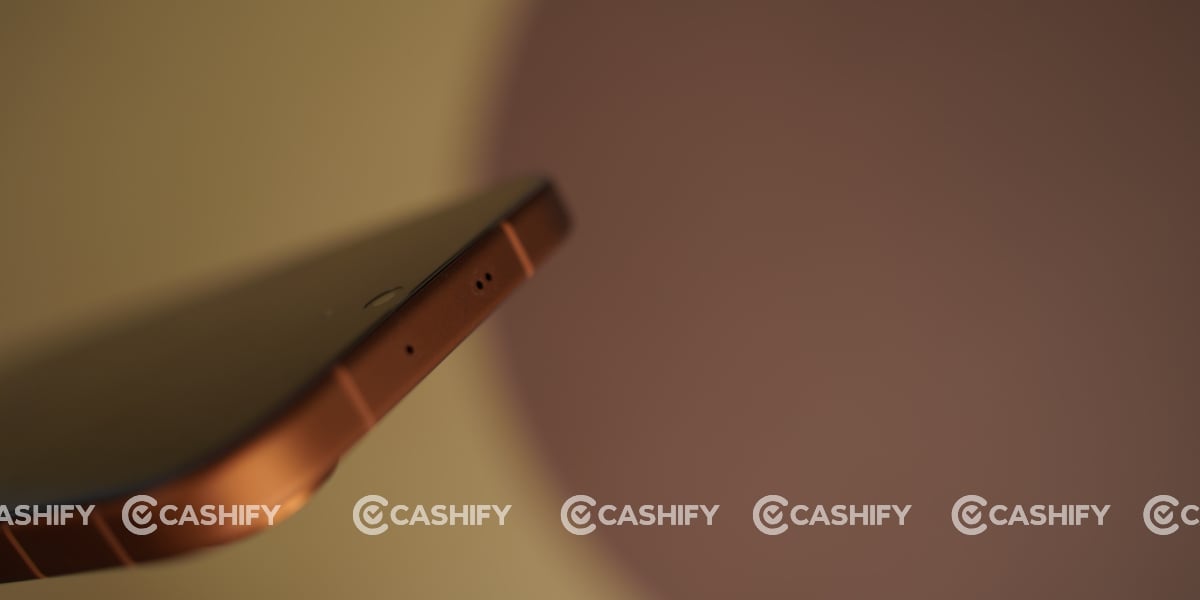
The phone features a metallic aluminum frame along the sides, which lends a sturdy feel to its construction. It offers a good grip, though at approximately 203 grams, it is not particularly lightweight.
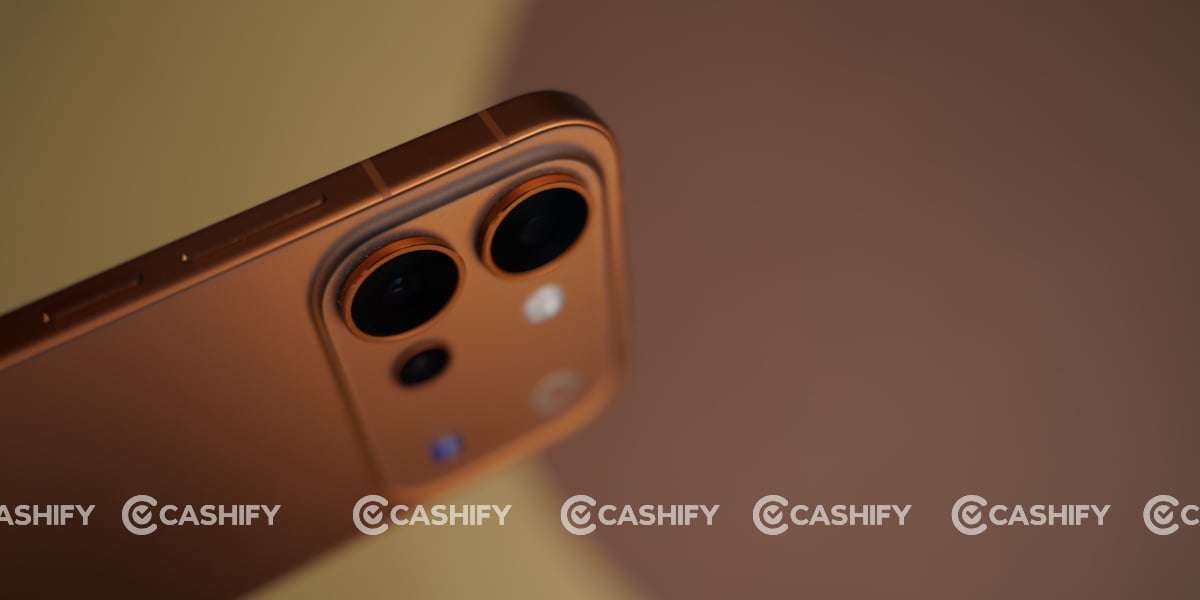
Honestly, during the Vivo V80 review, I found this design quite handy, and it fits perfectly in a single hand, and its back also doesn’t attract fingerprints.
Within the camera module, the ring light and flash are arranged in a unique layout. Vivo has developed the camera system in collaboration with ZEISS, and the flash sits within the module in a clean and subtle manner.
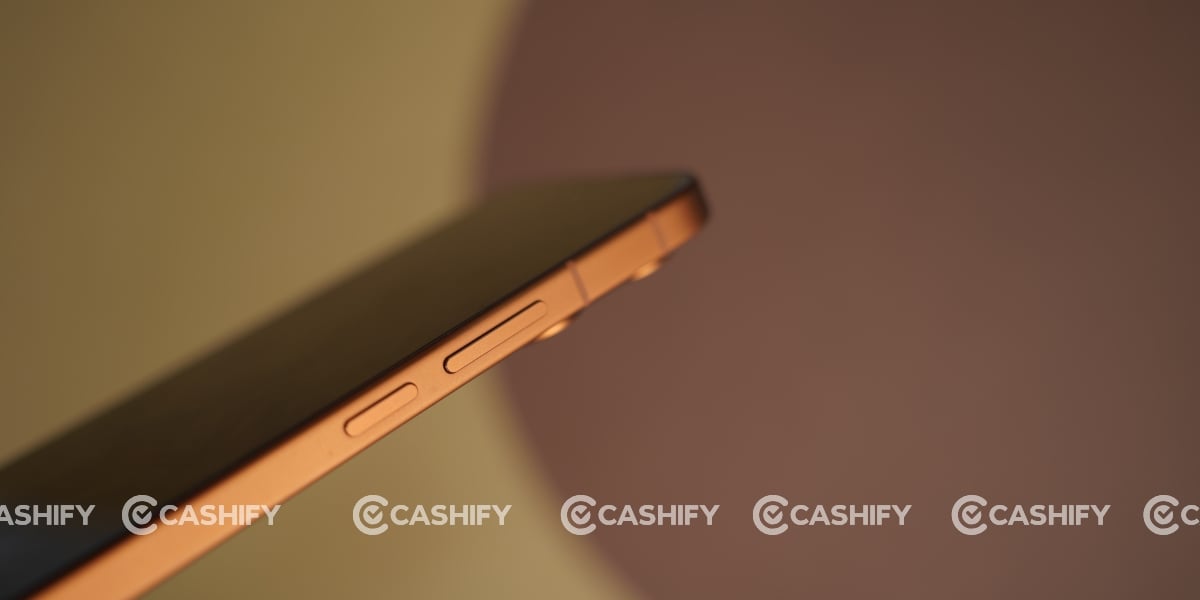
The phone also carries IP68 and IP69 ratings, making it highly reliable for protection against water and dust.
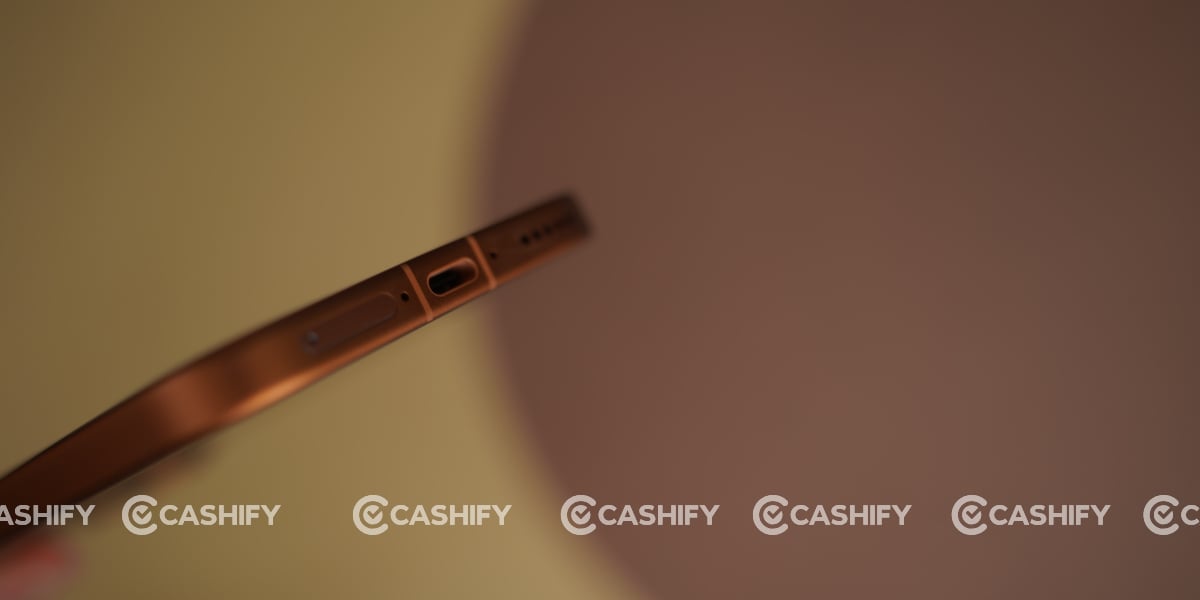
Overall, the Vivo V80 boasts a premium design, and its build quality is impressive for this segment. The front also appears sleek and modern, thanks to the ultra-thin (nano) bezels surrounding the display.
Vivo V80 Camera
The biggest highlight of the Vivo V80 is its camera setup. It features a 50-megapixel main camera equipped with a Sony LYT-700V sensor. This is complemented by a 50-megapixel ZEISS telephoto camera, which offers 3x optical zoom and up to 10x portrait zoom. Additionally, the device includes an ultra-wide camera and a 50-megapixel ZEISS group selfie camera.
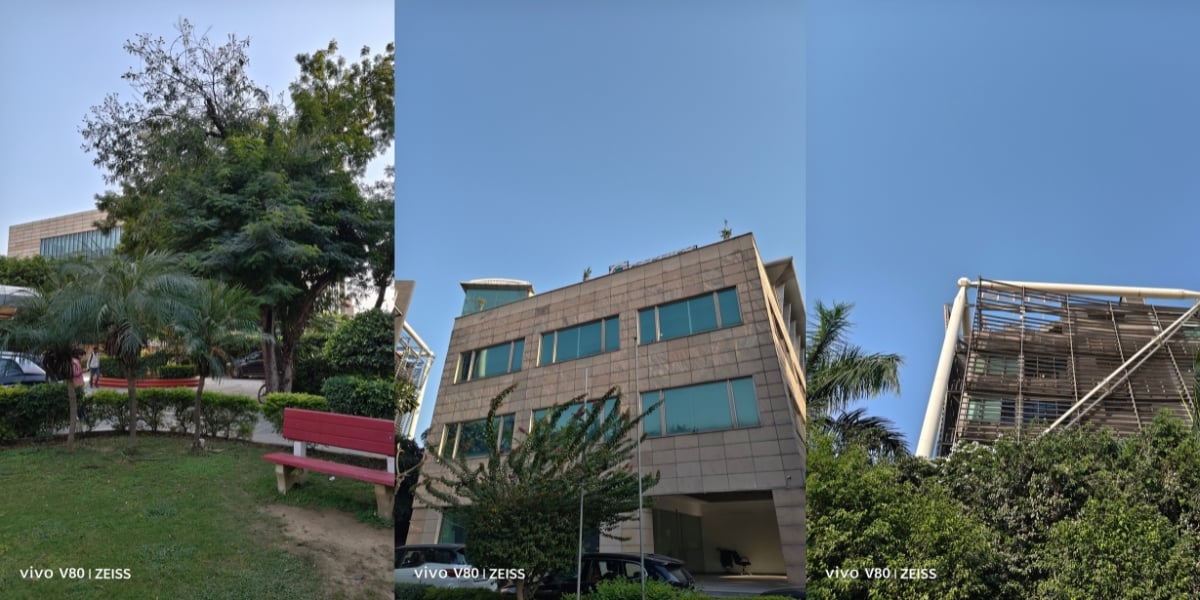
In daylight, I captured photos with the main camera that appear quite punchy and vibrant. Its details are quite impressive, and the overall output is very pleasing. If you prefer photos that can be posted directly to social media without requiring much editing, you will likely appreciate the results.
The main camera also performs well in low-light conditions. In night shots, colours and details are well-preserved, ensuring the photos do not look overly flat.
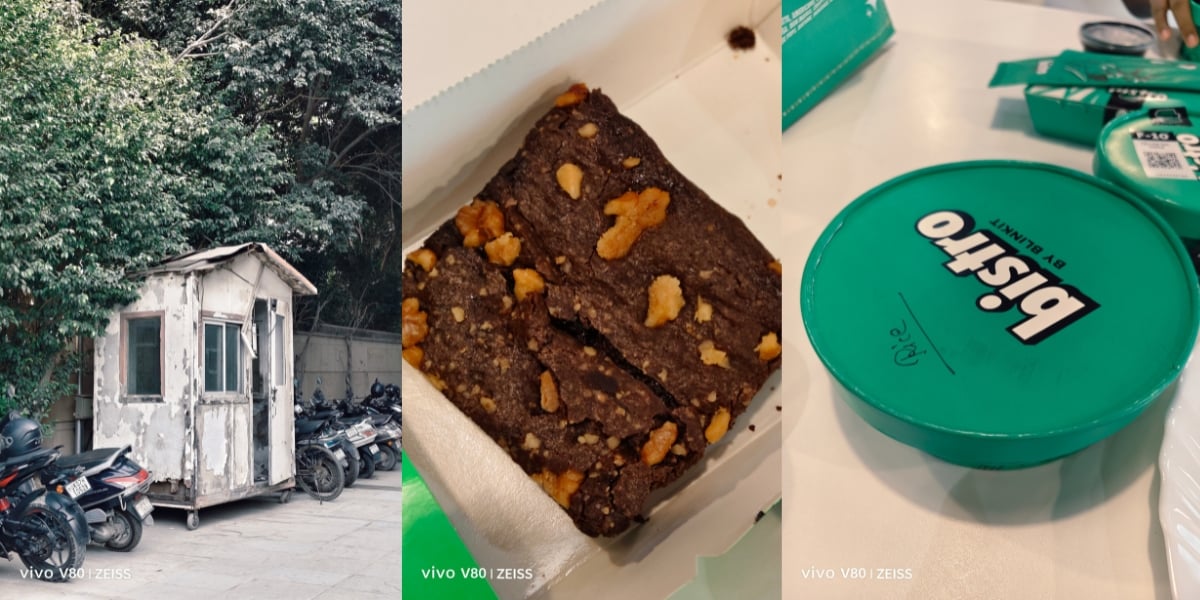
The 50-megapixel telephoto camera sets this phone apart from many other devices. It delivers excellent detail at 3x optical zoom and is particularly effective for portrait photography.

In portrait mode, the device offers various ZEISS multifocal portrait options. It also includes different bokeh effects, allowing you to customise the look of your portrait shots to your preference.

The phone also features ‘Aura Light,’ which provides soft illumination for portrait photography. The light is not harsh and effectively brightens the subject’s face in low-light environments.
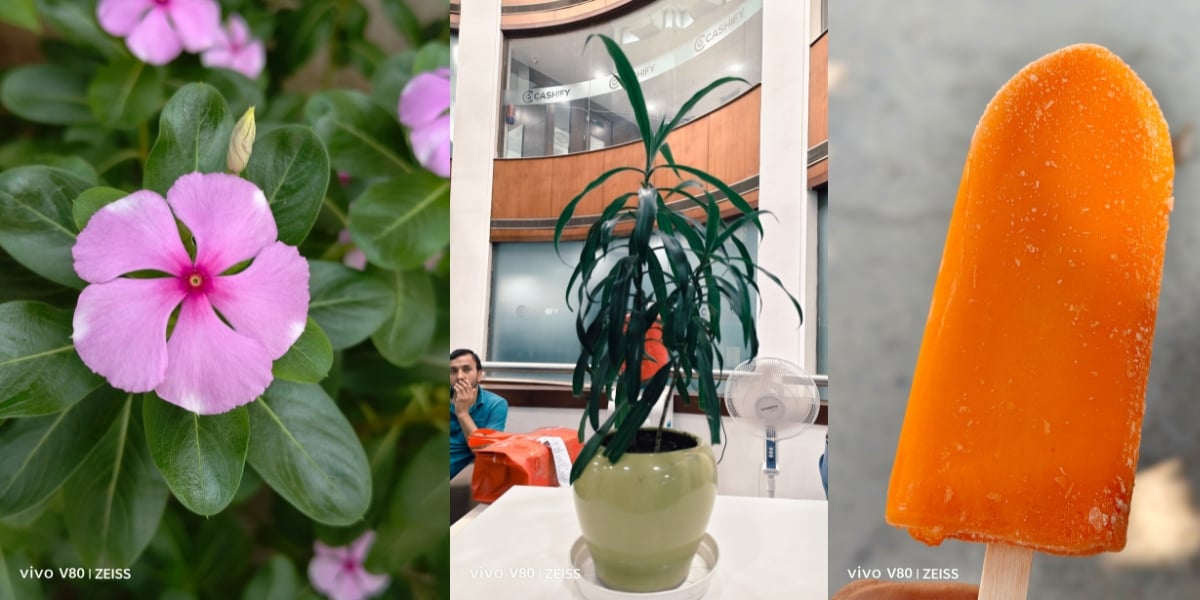
For festive photography, Vivo has included a ‘Diwali 2.0’ portrait mode along with several AI-powered creative mode features that will appeal to users who enjoy experimenting with various creative effects in their photos.
The ultra-wide camera is an 8-megapixel unit. It produces decent results in good lighting, though the quality can appear a bit soft in low-light conditions. This camera is useful for group shots or capturing wider frames.
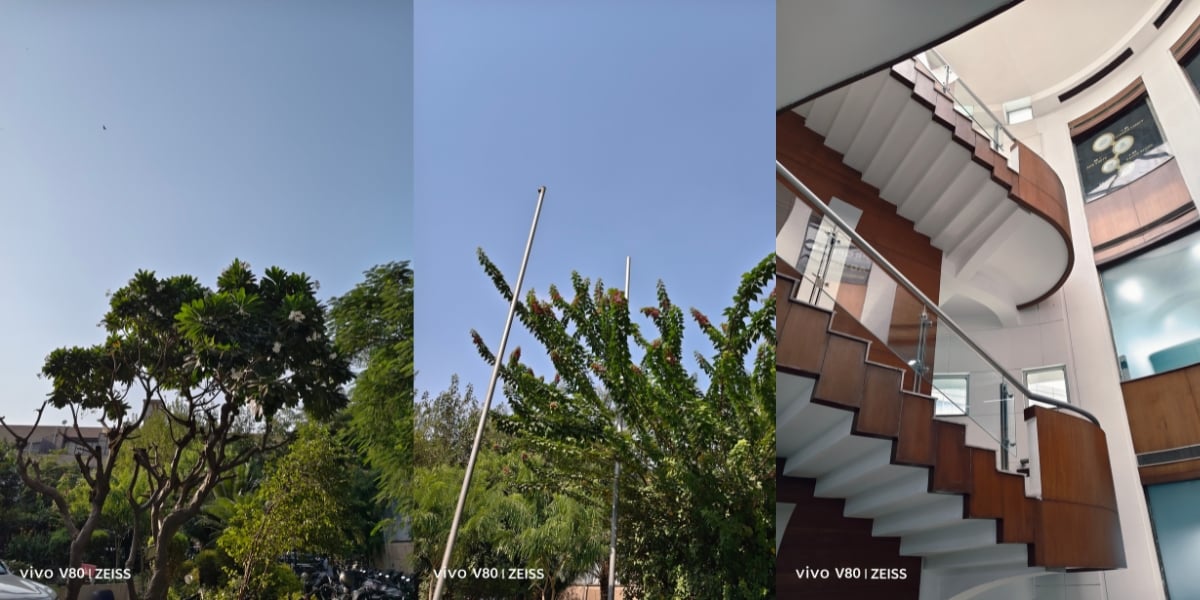
The front camera is 50 megapixels, delivering excellent colour reproduction for both standard and portrait selfies. If you enjoy taking selfies or group shots, this high-resolution front camera is a great addition.

As for video recording, the main camera supports 4K at 60 fps, with the option to switch between 1x and 2x zoom while recording. The front camera also supports 4K 60fps recording and offers both 1x and 2x framing options. During the Vivo V80 review, I recorded sample videos that you can watch by clicking the links.
Vivo V80 Battery and Charging
One of the most significant upgrades in the Vivo V80 is its battery. It features a 7200mAh fourth-generation silicon-carbon battery, which gives the phone impressive battery endurance.
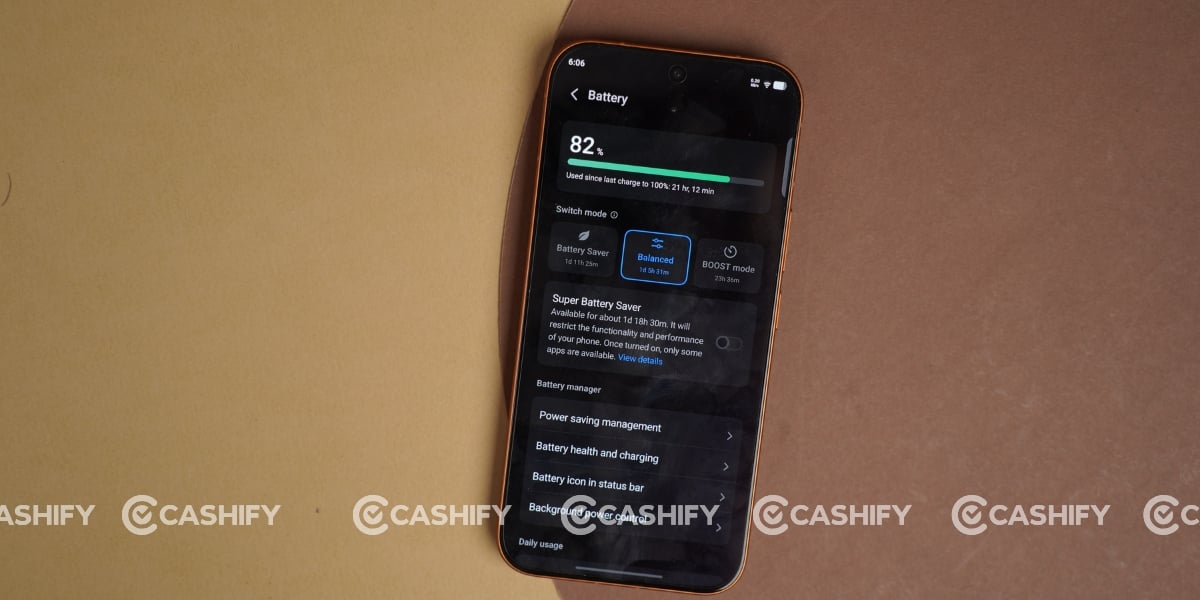
In my experience, even with tasks involving the camera, photography, and general usage, the battery backup remained quite strong. With typical use, the phone can easily last more than a day, and with light use, it even lasts about a day and a half.
If your usage is particularly heavy, you might need to charge it by the end of the day; however, overall battery backup remains one of the phone’s major strengths.
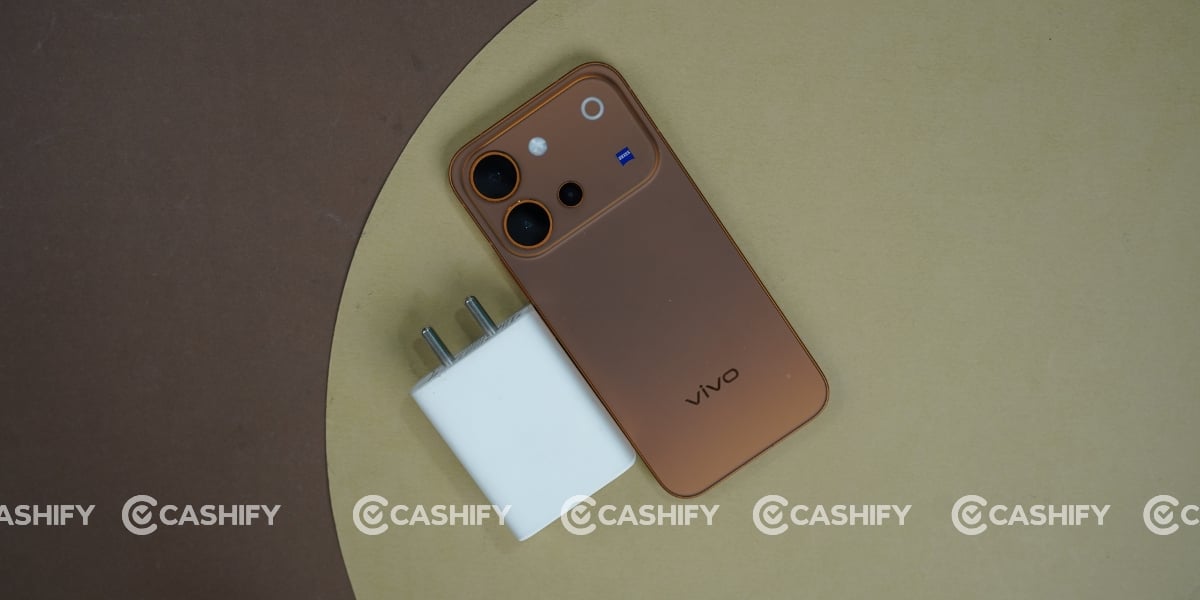
The phone also comes with a 90W charger. Despite the large battery capacity, fast charging support ensures you don’t have to wait long to charge. So, it can be charged from 0 to 100 per cent in just one hour.
Vivo V80 Display
The Vivo V80 features a 6.59-inch display with 1.5K resolution. It also supports a refresh rate of up to 144Hz on paper. However, for general UI usage, it typically operates at 120Hz, so be aware of the brand’s claim.
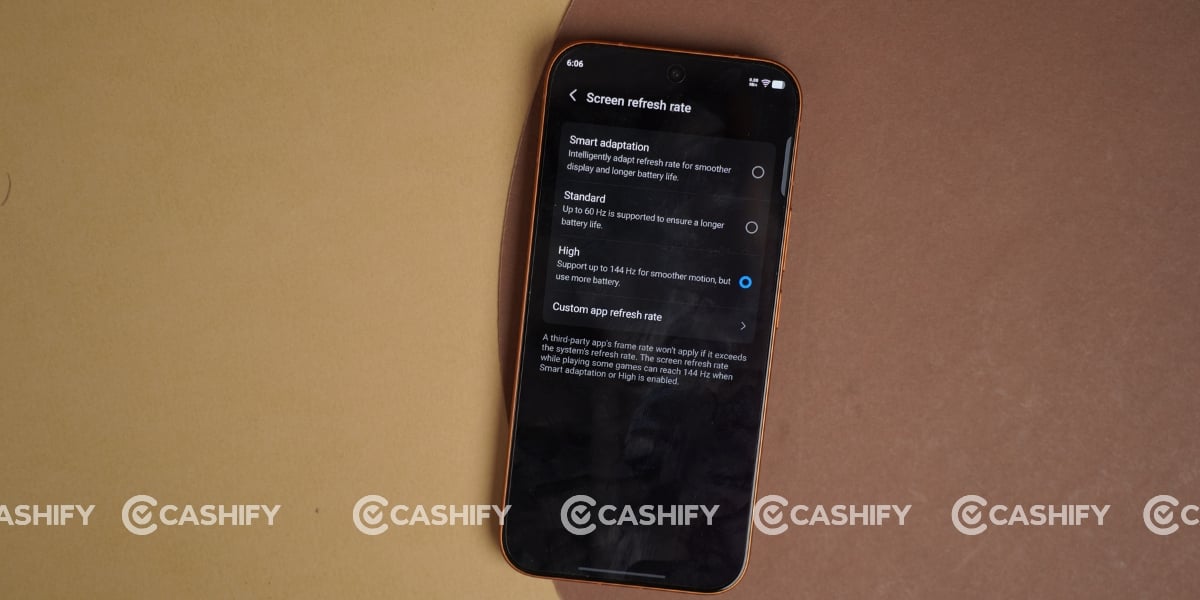
The refresh rate can scale up to 144Hz when needed, such as during gaming or other supported tasks like the calculator and some less-used apps.
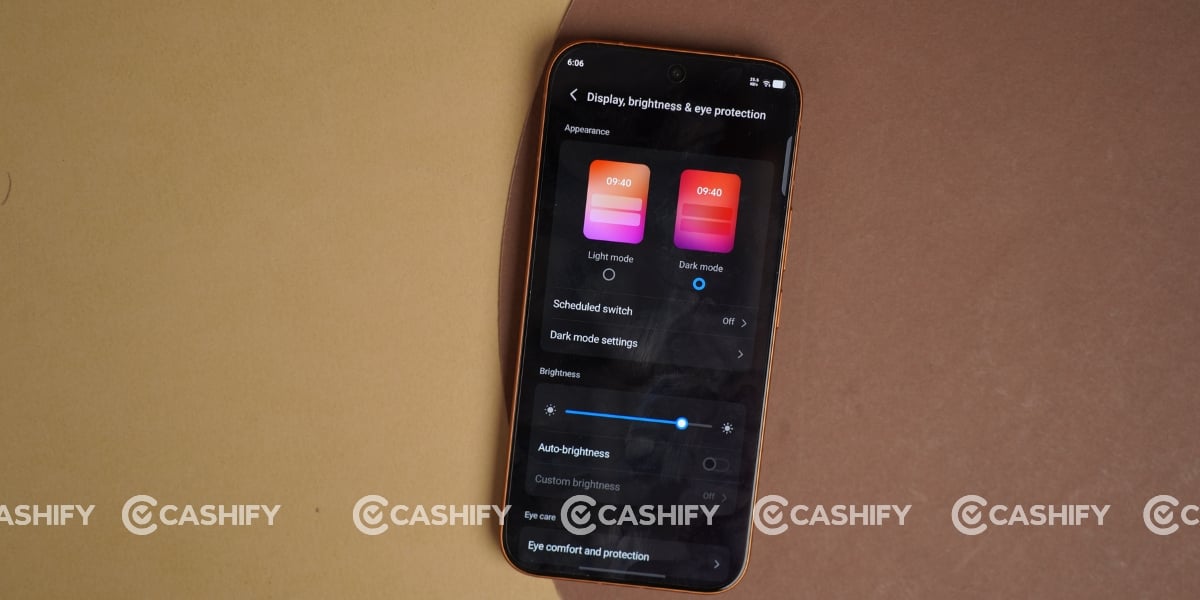
The display’s brightness is also quite impressive, offering a peak local brightness of 5000 nits and an HBM (High Brightness Mode) of 1800 nits. During the Vivo V80 review, I never experienced any significant visibility issues, whether indoors or outdoors.
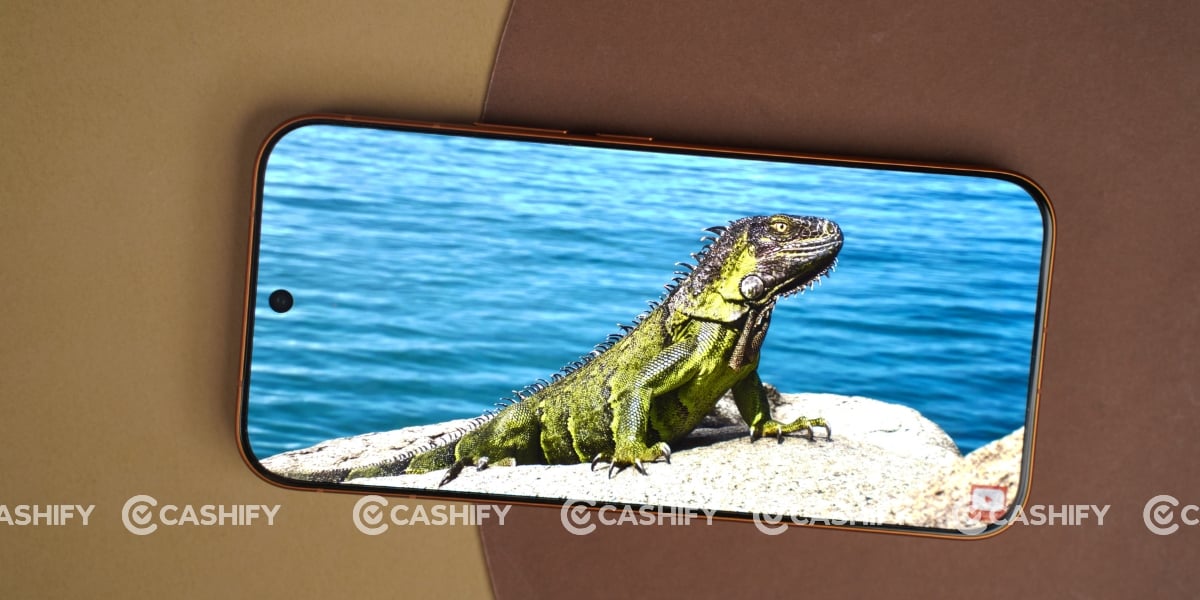
It also supports HDR10+, so you can watch HDR content on platforms like YouTube and Netflix, making the display excellent for multimedia consumption.
Additionally, the device comes with dual stereo speakers and an X-axis linear motor. These features contribute to a high-quality overall experience when watching videos, playing games, or engaging in other multimedia activities.
Vivo V80 Performance
The Vivo V80 is powered by a Snapdragon 7-series processor. It handles everyday tasks such as navigating the UI, multitasking, using the camera, and other routine activities with ease.
Performance remains smooth when switching between apps or navigating through the interface. If your usage is primarily limited to social media, photography, watching videos, and daily productivity tasks, you are unlikely to have any major complaints regarding its performance.
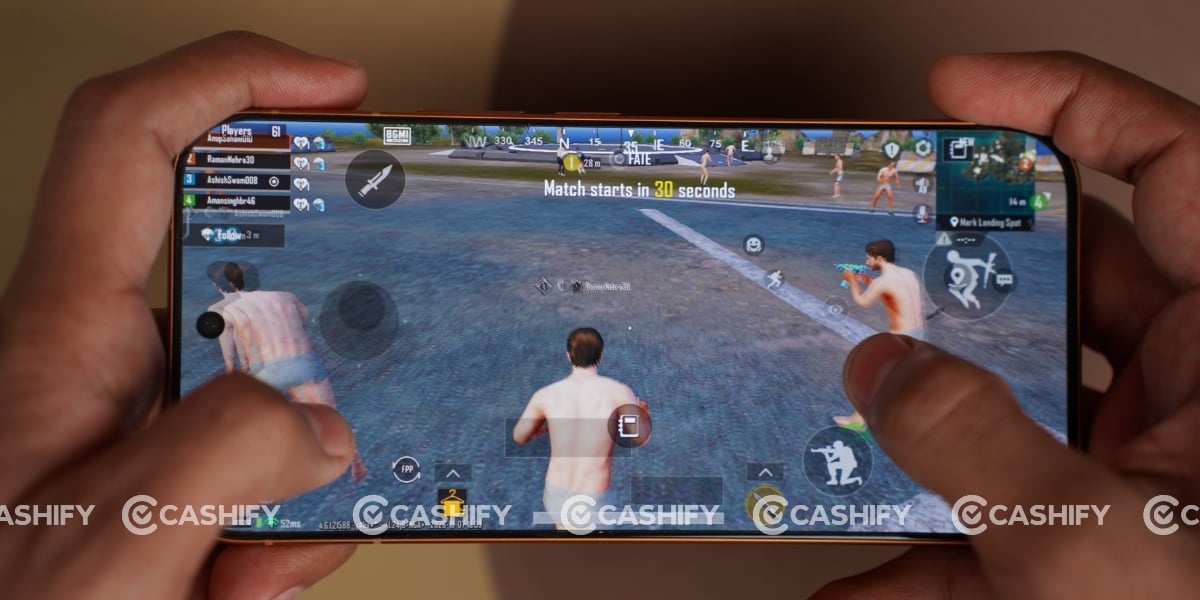
As for gaming, the device can handle titles like BGMI and performs well for casual gaming. However, it is better viewed as an all-rounder device rather than a dedicated gaming phone.
I’m saying this because during the Vivo V80 review, I played a lot of BGMI on this phone, but I often experienced sudden frame drops during hot drop landings. Once I got killed in a tense situation, the gameplay returned to normal. So, if you are looking for gaming, especially BGMI, then look for another option.
The phone also features UFS 3.1 storage for 128GB storage variants and 8GB of LPDDR4X RAM, which ensures a good experience for general multitasking and app loading. The rest have UFS 4.0-type storage.
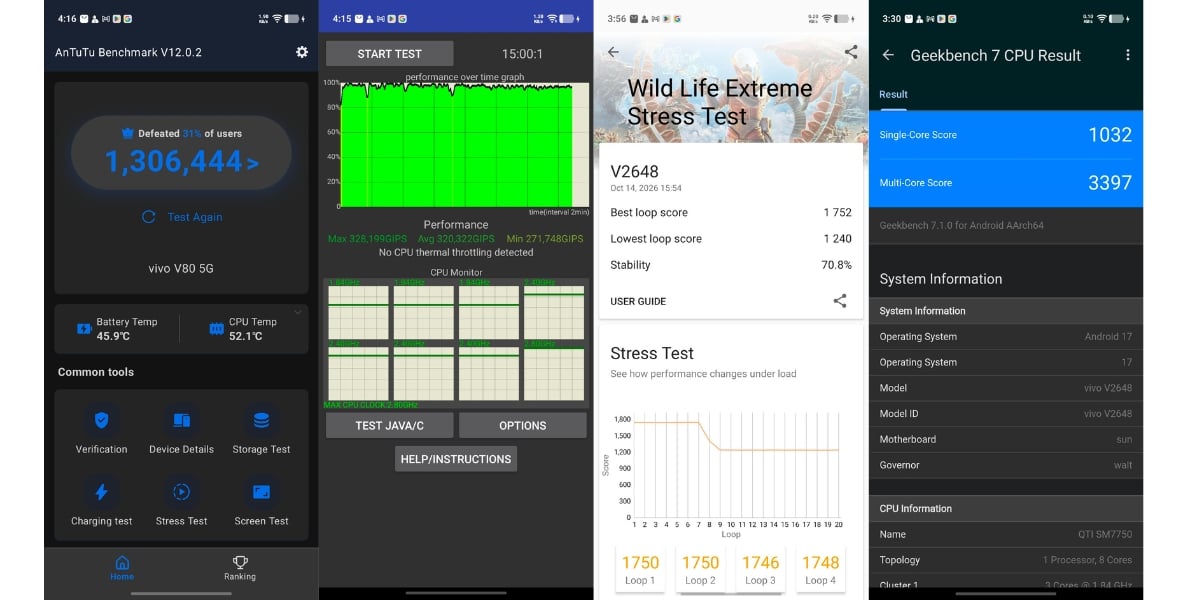
I also ran several Benchmark tests on the Vivo V80 to assess its performance across different aspects. Its Geekbench scores are 1032 in single-core and 3397 in multi-core. No CPU throttling was detected in my test. Moreover, its Antutu score is 1306444. The 3D Mark Wildlife Extreme Stress Test for stability has an overall score of 70.8%.
Vivo V80 Software and UI
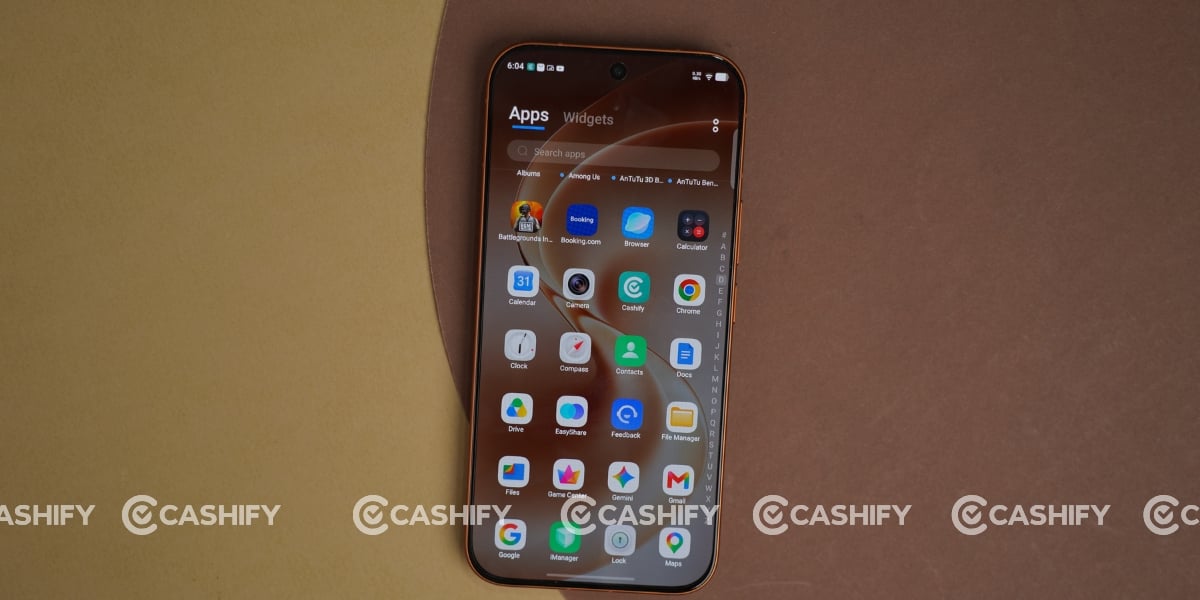
The Vivo V80 runs on OriginOS 7, based on Android 17. In this version, significant attention has been paid to animations and customisation. The UI feels more fluid than before, and even minor transitions appear highly polished.
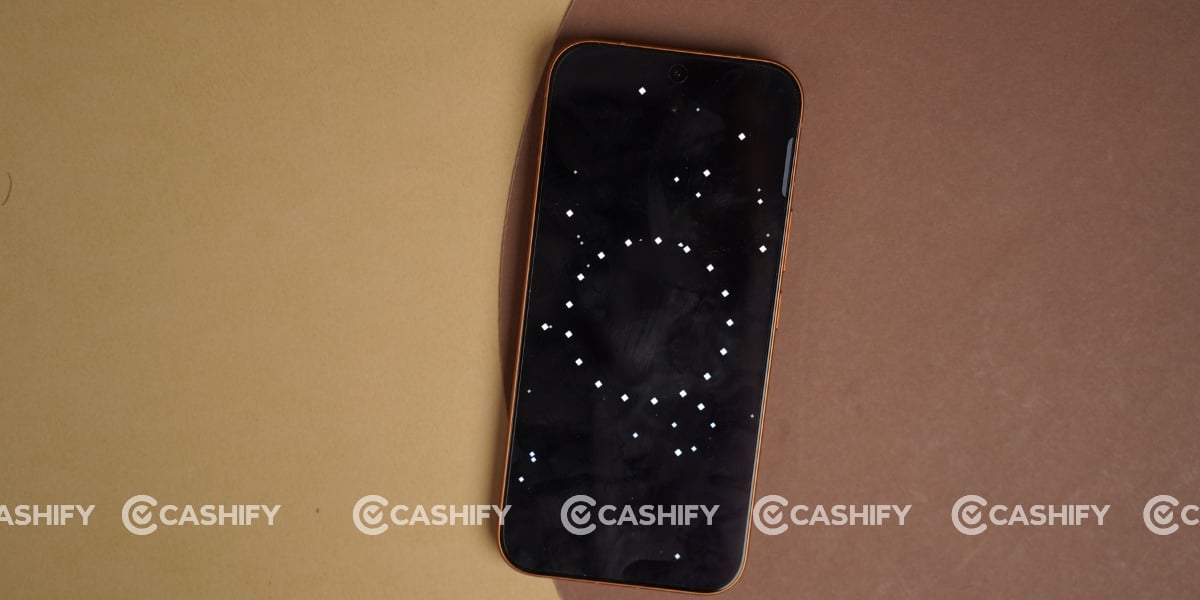
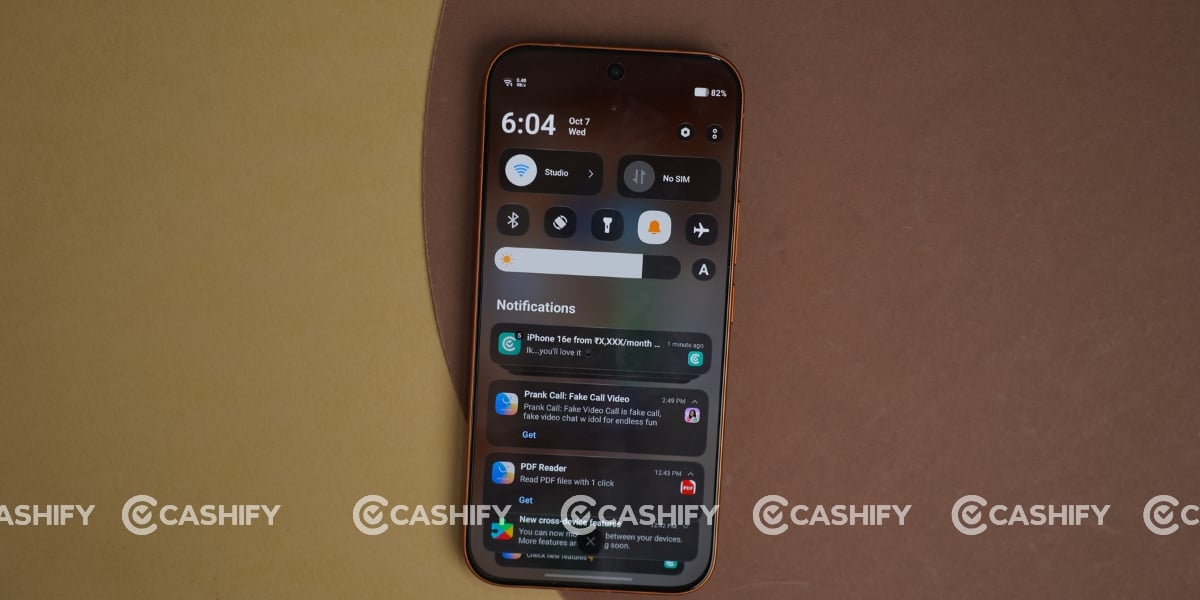
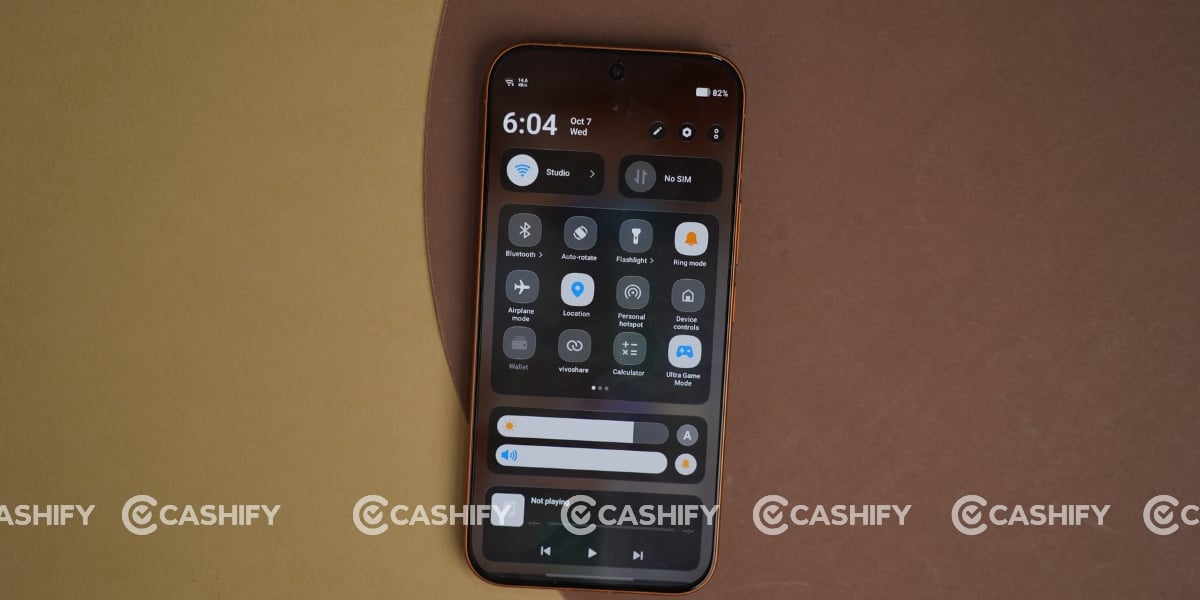
OriginOS 7 offers a wide range of customisation options, allowing users to tailor the Control Centre, icons, and various other UI elements to their personal preferences.
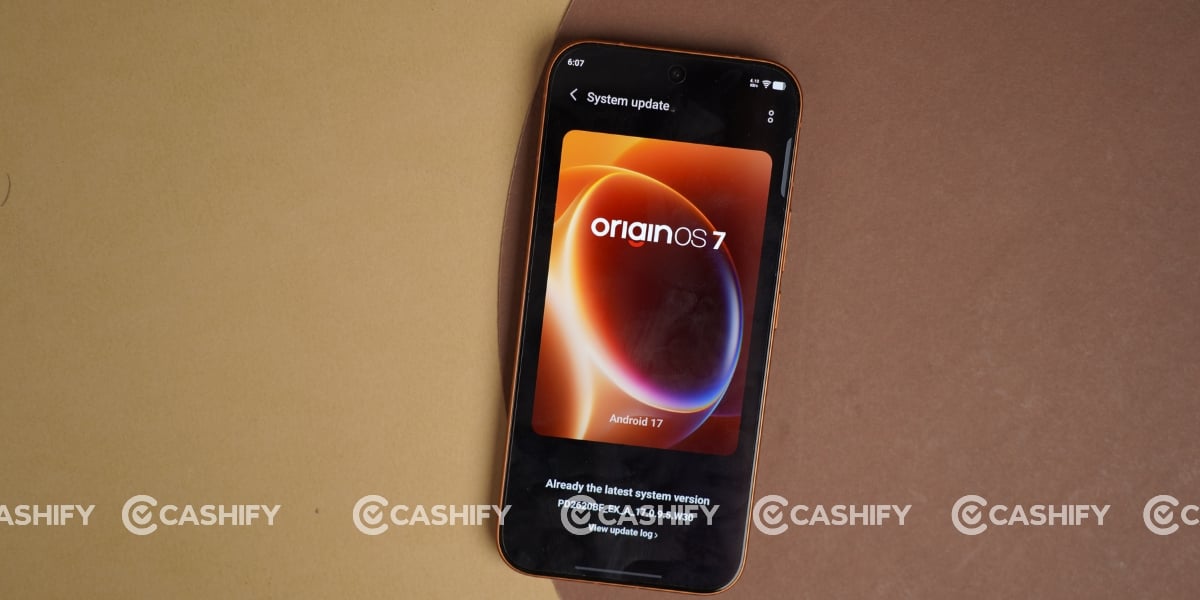
As for pre-installed applications, there are some additional apps, but many of them can be uninstalled. If you prefer not to have unnecessary applications on your phone, you can remove them to achieve a cleaner user experience.
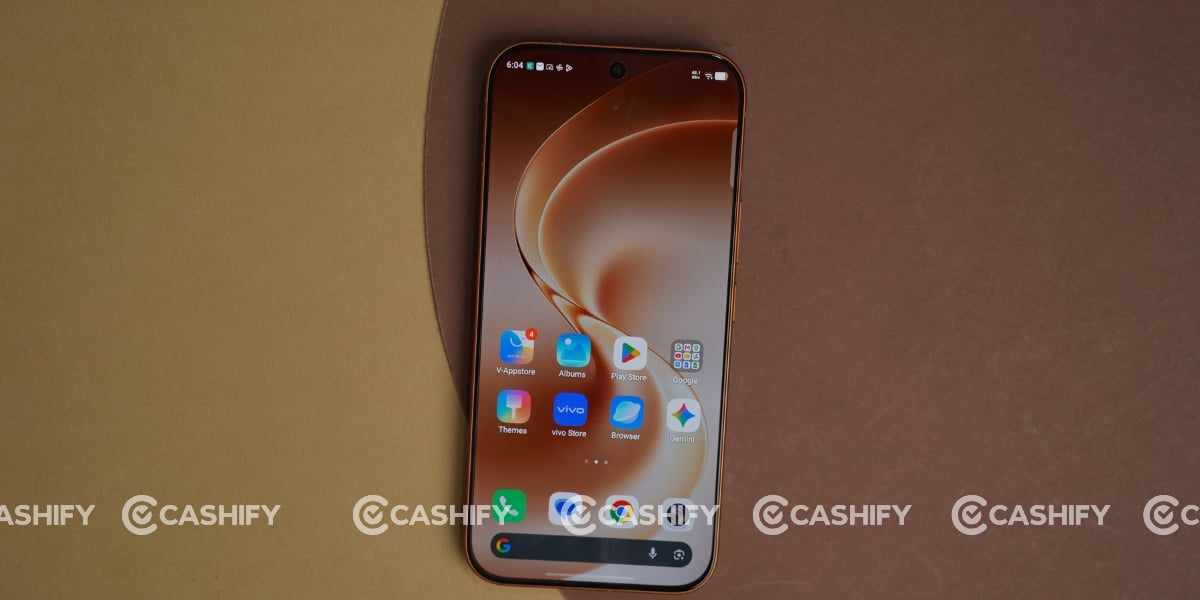
One interesting feature is the inclusion of live wallpapers with animated, animal-themed designs. While these are small details, they give the UI a distinct feel.
Vivo has also promised four years of software updates and six years of security updates for the device, a great benefit for those who plan to use the phone for an extended period.
The Vivo V80 also brings several AI features, mainly focused on photography and everyday productivity. Its AI Creative Camera can enhance lighting and atmosphere in photos, while AI Erase and AI Magic Move help remove or reposition unwanted objects.
The phone also includes AI Best Face for improving group photos, while Snap Note can scan whiteboards or handwritten notes and convert them into editable, structured documents.
There are also AI-powered tools for recording and summarising conversations, along with creative features such as Live Sticker Collage and AI Diwali Portrait 2.0. Overall, the AI features feel more useful for editing photos and handling everyday tasks rather than being just gimmicky additions.
Also Read: Samsung Galaxy S26 FE Review: A Better Fan Edition Phone?
After the Vivo V80 review, I can say it would perhaps be inaccurate to label the Vivo V80 merely as a “camera phone.” Its camera setup is undoubtedly its standout feature. But the device also boasts a large 7200mAh battery, 90W charging, a high-quality 1.5K display, a premium build, and long-term software support.
If your priorities include photography, portraits, zoom shots, and video recording, and you also want a phone with strong battery life, the Vivo V80 is an interesting option.
On the other hand, if heavy gaming is your primary focus, then you should look for another option. However, as an all-round smartphone, the V80 strikes an excellent balance between its camera, battery, display, and software.