HP Officejet Pro X451dw (CN463A) Single Function Inkjet
Compare
Share:


Avtar Singh
0
View All
View All
View All
hp-officejet-pro-x451dw-cn463a-single-function-inkjetMobile62414https://s3n.cashify.in/cashify/product/img/xhdpi/08ec8333-5617.jpg /hp-officejet-pro-x451dw-cn463a-single-function-inkjet-printer-price-in-india
HP/Compaq
Color
InkjetDetailed Specs
Compare
Brand
HP
Model
Officejet Pro X451dw (CN463A)
Price
Rs. 36,900
Price Status
Confirmed
Market Status
Discontinued
Display
2.0 Inches MGD (Monochrome Graphic Display)
Functionality
Print,Wireless
Functionality Type
Single Function
Internal Memory
512 MB
Printing Output
Color
Printer Type
Inkjet
Input Tray Capacity
Standard: 500 Sheet, 50 Sheet Multi purpose tray
Media Size Supported
Tray 1: Oficio, A4, A5, A6, B5 (JIS), B6 (JIS), 16K, 10 x 15 cm, L, Hagaki, envelopes (B5, C5, C6, DL, Chou 3, Chou 4), Tray 2: A4, A5, B5 (JIS), 16K, envelopes (DL, B5, C5, Chou 3), Tray 3: A4, A5, B5 (JIS)
Output Tray Capacity
300 Sheet face down output bin
Duty Cycle
50000 Pages
Print Speed
36 ppm
Max Print Resolution
Colour: Up to 2400 x 1200 optimized dpi from 600 x 600 input dpi (on HP Advanced Photo Papers); Black: Up to 1200 x 1200 optimized dpi from 600 x 600 input dpi (on Unspecified, Plain, HP Premium Presentation Matte and HP Brochure Matte)
Consumption (Active)
Maximum: 100 Watts, Average: 70 Watts, Ready: 9.5 watts
Additional Features
Number of print cartridges: 4 (1 black, cyan, magenta, yellow); Replacement cartridges: HP 970 Black Officejet Pro X Ink Cartridge (Approx 3000 pages), HP 971 Cyan Officejet Pro X Ink Cartridge, HP 971 Magenta Officejet Pro X Ink Cartridge
Connectivity
Connectivity : Mobile printing capability: HP ePrint, HP ePrint Mobile Apps, Google Cloud Print, HP ePrint Wireless Direct, Apple AirPrint; 1 x Hi-Speed USB 2.0 Host; 1 x Hi-Speed USB 2.0 Device;
Network Management Tool
Standard: 1 Ethernet 10/100 Base-TX network, 802.11 b/g/n Station, 802.11 b/g Access Point
Operating System
Windows 8, Windows 7, Windows Vista, Windows XP (SP3, 32-bit), Mac OS X v10.6, Mac OS X Lion, Mac OS X Mountain Lion, Linux
Processor
792 MHz
Height
Minimum: 380 mm
Width
Minimum: 517 mm
Weight
17.1 Kg
In The Box
HP Officejet Pro X451dw Printer; HP 970 Setup Black Ink Cartridge; HP 971 Setup Cyan Ink Cartridge; HP 971 Setup Magenta Ink Cartridge; HP 971 Setup Yellow Ink Cartridge; Power cord; Ethernet cable; Setup poster; Getting Started Guide; CD-ROMs
Warranty
1 Year

Recent Articles

ColorOS 17 focuses on smooth animations, practical AI tools, and a polished everyday experience. OriginOS 7 takes a more playful approach with deeper customisation, smarter productivity tools, and advanced multitasking.
3rd Nov 2026

MacBook Air vs MacBook Pro comes down to your daily work and your budget. The Air handles study, office work, and normal 4K editing, while the Pro suits VFX, 3D, and daily heavy exports. Apple’s new touchscreen Pro costs a lot more, so buy it only if the extra power earns you money.
2nd Nov 2026

Your search for a gaming laptop ends here. Check out this article where we bring you the top and the best gaming laptops of 2026 inside a listicle of 6 suitable picks.
2nd Nov 2026

It's time to get the right refurbished laptop by knowing RAM, storage, configurations, and upgrade options to get the best balance of performance, reliability, and value for money.
2nd Nov 2026

Both ColorOS 17 and One UI 9 are based on Android 17, but they take different approaches to design, AI features, performance, and multitasking. Find out how the two Android interfaces compare and what sets them apart.
2nd Nov 2026
Follow





New Launches
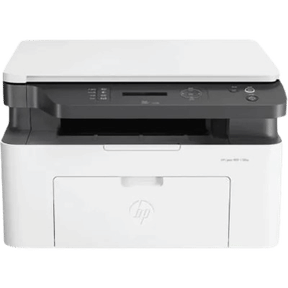
HP Laserjet 1188w Multi Function Laser
Starting from:
₹18,799
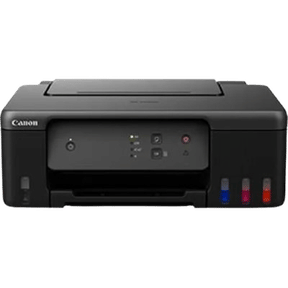
Canon PIXMA G1730 Single Function Ink Tank
Starting from:
₹7,999
HP Smart Tank 580 (1F3Y2A) All-in-One Inkjet
Starting from:
₹15,499
HP LaserJet MFP M233sdw (6GX06A) Multi Function Laser
Starting from:
₹29,500
Pantum M6518NW Multi Function Laser
Starting from:
₹13,690
Pantum P3302DN Single Function Laser
Starting from:
₹11,179
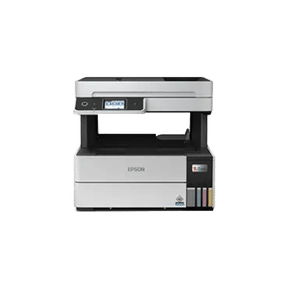
EPSON EcoTank L6460 Multi Function Inkjet
Starting from:
₹25,999
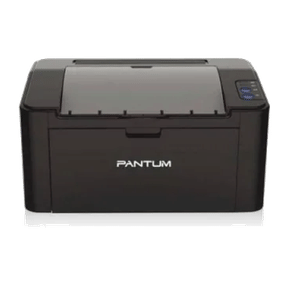
Pantum P2518 Single Function Laser
Starting from:
₹8,298
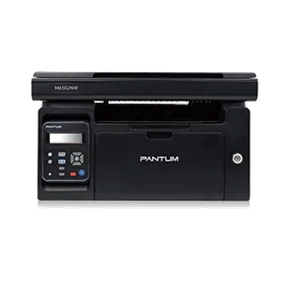
Pantum M6518 Multi Function Laser
Starting from:
₹13,700
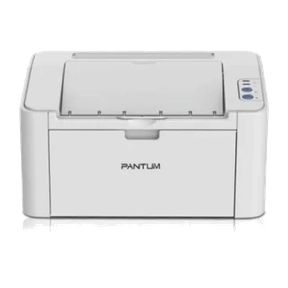
Pantum P2210 Single Function Laser
Starting from:
₹8,480
Latest Reviews
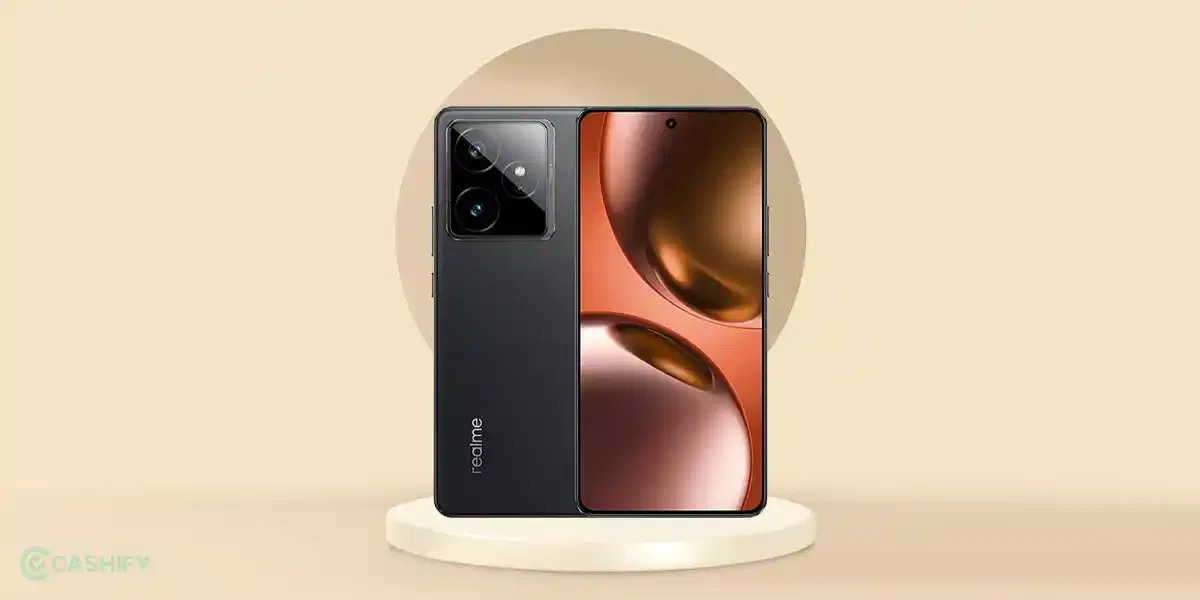
Realme GT 7 Review: Performance Meets AI Power
16th Jun 2025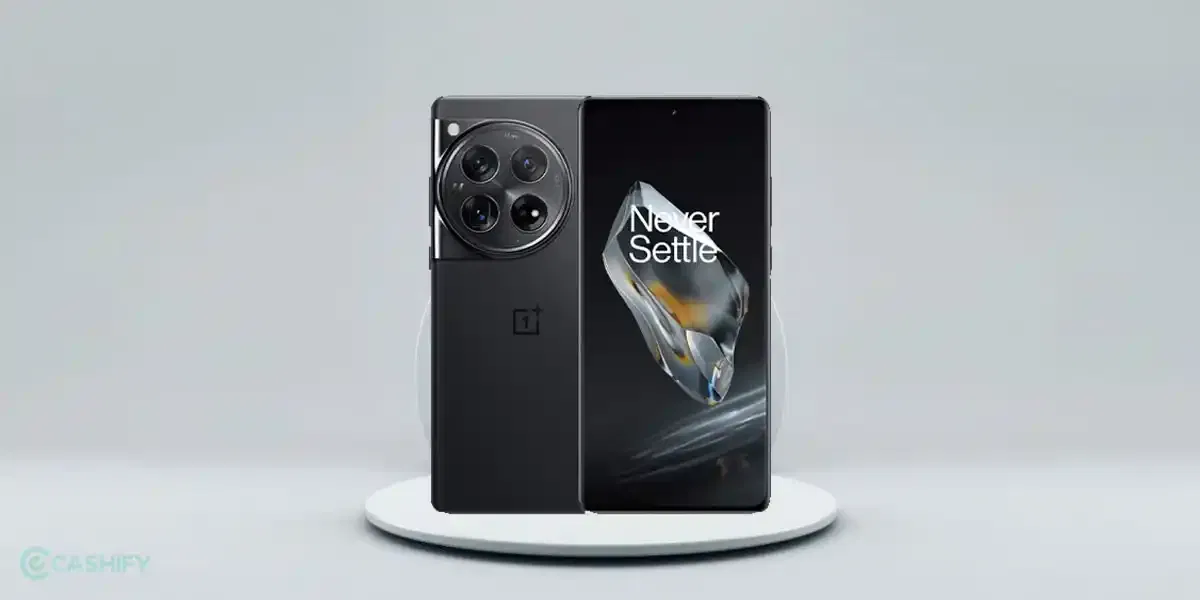
OnePlus 12 Long-Term Review: Is It Worth In 2025?
16th Jun 2025