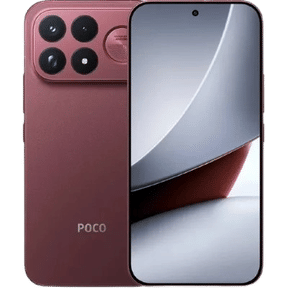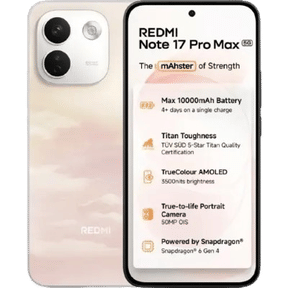


If you are trying to decide between the Redmi Turbo 5 and Poco X8 Pro, it’s not going to be an easy one. Both devices share nearly identical hardware foundations. Also, these two phones are among the most talked-about value flagships of 2026. That’s why Redmi Turbo 5 vs Poco X8 Pro is something one needs but can’t decipher which one is going to add more value to their lives.
While they target the same audience with flagship-level features at mid-range prices, a few key differences might make you wonder.
Which one should you buy?
Let’s find the answer here.
Also read: Thinking To Buy Redmi 15? Here’s What Makes It Stand Out!
Redmi Turbo 5 vs Poco X8 Pro: Quick Comparison
Before we start, let’s go through a quick comparison of the two devices.
| Feature | Redmi Turbo 5 | Poco X8 Pro |
|---|---|---|
| Display | 6.59-inch AMOLED, 120Hz | 6.59-inch AMOLED, 120Hz |
| Resolution | 1268 × 2756 (1.5K) | 1268 × 2756 (1.5K) |
| Peak Brightness | Up to 3500 nits | Up to 3500 nits |
| Processor | MediaTek Dimensity 8500 Ultra | MediaTek Dimensity 8500 Ultra |
| GPU | Mali-G720 MC8 | Mali-G720 MC8 |
| RAM | 8GB, 12GB, 16GB LPDDR5X | 8GB, 12GB LPDDR5X |
| Storage | Up to 512GB UFS 4.1 | Up to 512GB UFS 4.1 |
| Rear Camera | 50MP OIS + 8MP Ultrawide | 50MP OIS + 8MP Ultrawide |
| Front Camera | 20-megapixel | 20-megapixel |
| Battery | 7540mAh | 6500mAh |
| Charging | 100W Wired | 100W Wired |
| Reverse Charging | 27W | 27W |
| Software | Android 16 + HyperOS 3 | Android 16 + HyperOS 3 |
| Protection | IP68/IP69K | IP68/IP69K |
| Starting Price | Rs. 37,999 | Rs. 34,999 – Rs. 41,499 |
Also read: 5 Best Redmi Phones Under 15000 Rupees
Design and Build Quality Comparison
At first glance, you might even mistake these phones for premium flagships. They look and feel far more expensive than their price tags suggest.
The Redmi Turbo 5 uses a glass front and aluminum frame combination. That itself delivers a solid in-hand feel. Its 8.2mm profile remains relatively slim considering the enormous battery inside.
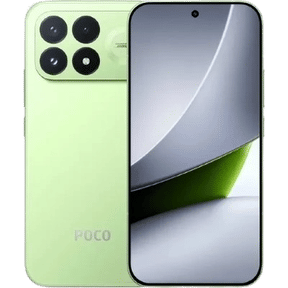
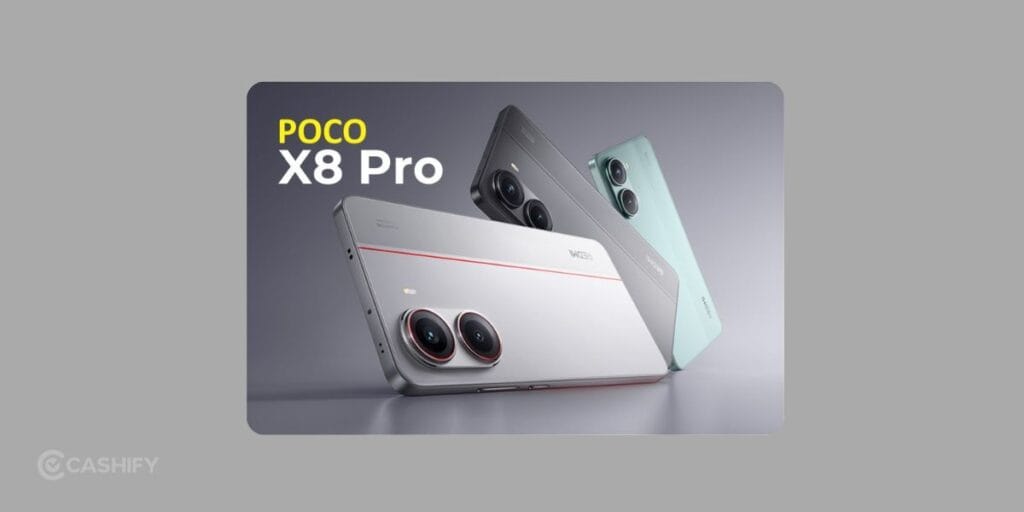
The Poco X8 Pro follows a similar design but adds Gorilla Glass 7i protection on the front. This provides slightly better scratch and impact resistance for users concerned about durability.
Redmi Turbo 5 Design Advantages
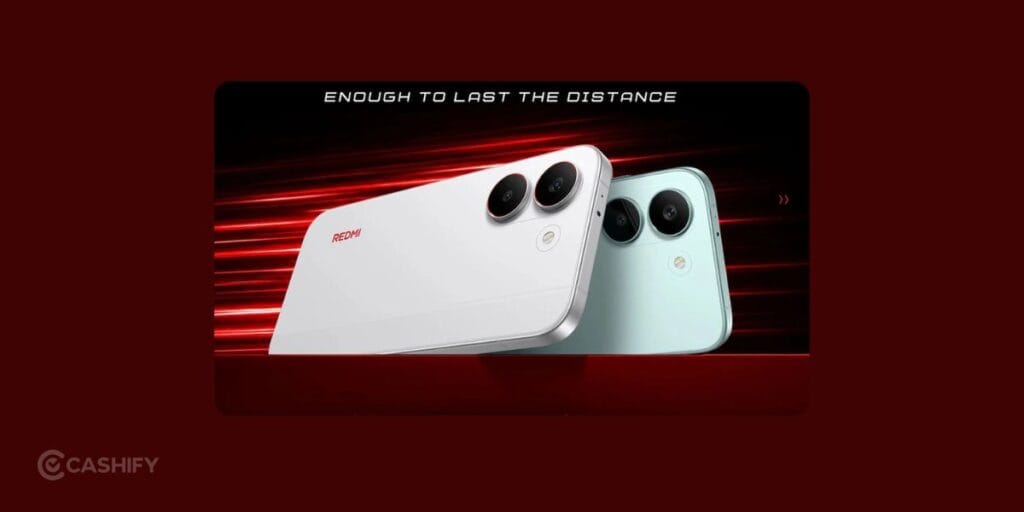
- Slightly slimmer profile
- Premium aluminum frame
- Distinctive colour, options including Nitro Blue and Turbo White
Poco X8 Pro Design Advantages
- Gorilla Glass 7i protection
- Dolby Atmos branding
- More globally available colour choices
I would pick the Poco X8 Pro in the Redmi Turbo 5 vs Poco X8 Pro design comparison. The Gorilla Glass 7i protection gives Poco a slight edge in durability.
Also Read: 5 Best 5G Phone Between 30000 To 40000 Rupees
Display Quality and Multimedia Experience
Scrolling Instagram in bright daylight or making an outdoor reel? The screens won’t make you squinch your eyes. Display quality is one area where both phones perform exceptionally well.
Shared Display Specifications
- 6.59-inch AMOLED panel
- 120Hz refresh rate
- 1.5K resolution
- HDR10+
- Dolby Vision
- HDR Vivid support
- 3840Hz PWM dimming
- Up to 3500 nits peak brightness
The AMOLED panel produces vibrant colours, deep blacks, and excellent outdoor visibility.
For gaming enthusiasts, the 120Hz refresh rate ensures smooth animations and responsive touch interactions.
Comparing Redmi Turbo 5 vs Poco X8 Pro display? It’s a tie for us
The display experience is virtually identical.
Also read: Upcoming Redmi Phones: A Sneak Peek At What’s Coming
Performance, Processor, Gaming, and Benchmark Scores!
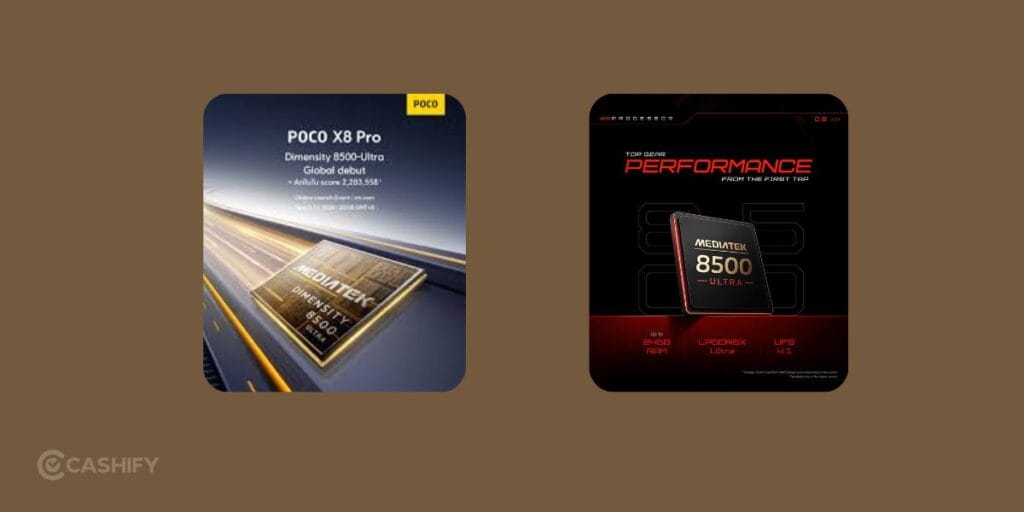
Performance is another area where these smartphones are nearly impossible to separate.
Processor
Now let’s talk about what most buyers really care about- speed.
And honestly, this is where things get surprisingly boring in a good way.
Both the Redmi Turbo 5 and Poco X8 Pro are powered by the MediaTek Dimensity 8500 Ultra chipset. This means they deliver almost identical performance in everyday use.
What do you get?
- MediaTek Dimensity 8500 Ultra
- 4nm manufacturing process
- Clock speeds up to 3.4GHz
- Mali-G720 MC8 GPU
- Advanced AI processing
- Efficient thermal management
Gaming Performance
If gaming is one of your priorities, you’re in for a treat.
Popular titles like BGMI, Call of Duty Mobile, Asphalt Legends, PUBG Mobile, and Genshin Impact run smoothly at high graphics settings. Frame rates stay stable, touch response feels snappy, and loading times are impressively quick.

The good news is that both phones also feature vapor chamber cooling systems. So even during longer gaming sessions, they do a decent job of keeping temperatures under control.
Benchmark Scores
While benchmark numbers don’t tell the whole story, they do help give an idea of overall performance.
Expected scores include:
| Benchmark | Score |
|---|---|
| AnTuTu v10/v11 | 1.66M to 2.07M |
| Geekbench Single-Core | Strong Mid-Range |
| Geekbench Multi-Core | Competitive |
| 3DMark | Excellent for Price |
Also read: Redmi 15 Vs POCO M7 Plus: Best Budget Phone Under Rs.15,000? Full Comparison!
Redmi Turbo 5 vs Poco X8 Pro: RAM and Storage
This is one area where Redmi gains a slight advantage.
Some Redmi Turbo 5 variants are available with up to 16GB LPDDR5X RAM alongside 512GB UFS 4.1 storage.
For most people, 12GB RAM is already more than enough. But if you are planning to keep your phone for several years or regularly push it to its limits, that extra RAM could be useful.
Overall, I would choose Redmi Turbo 5
The performance difference is tiny, but the availability of a 16GB RAM variant gives Redmi a slight edge for power users.
Redmi Turbo 5 Vs Poco X8 Pro: Camera Comparison
When it comes to photography, there’s very little separating these two phones.
Daylight Photography
In good lighting conditions, both the Redmi Turbo 5 and Poco X8 Pro capture sharp, vibrant photos with pleasing colours and strong dynamic range. Autofocus is quick. That makes it easy to point, shoot, and share. When you are posting on Instagram or other social platforms, the images will look great without any editing.
Portrait Photography
Portrait shots are another strong area for both devices. Edge detection is generally accurate, background blur looks natural, and skin tones remain realistic rather than overly processed.
Low-Light Photography
Here’s where you will notice the limitations of a mid-range camera system. Night photos are still perfectly usable, but you may see more image noise, slightly softer details, and weaker ultrawide performance in challenging lighting conditions. That said, these compromises are fairly typical for phones in this segment.
Redmi Turbo 5 vs Poco X8 Pro falls in a tie for daylight photography, portraits and low light photography.
Video Recording
Video performance is also equally matched. Footage looks detailed and stable, with smooth stabilisation. If you are vlogging outdoors, you won’t feel a shake while walking or recording handheld.
Selfie Camera
The front camera delivers dependable results for selfies, video calls, and short-form content. Skin tones are generally accurate, and image quality remains consistent across different lighting conditions. It may not stand out from the competition, but it certainly gets the job done.
To sum it up, the camera experience is almost identical. Most people wouldn’t be able to tell which phone captured a particular image. Unless Xiaomi introduces significantly different image processing through future updates, this round remains a draw.
Also read: Common Poco F1 Battery Issues And How To Fix Them!
Battery Life and Charging Speed
If there’s one category where a clear winner emerges, this is it.
Redmi Turbo 5 takes the round with its 7540mAh battery. Most users can comfortably get through two days of moderate usage on a single charge. Heavy gamers and power users should still have enough battery left at the end of a demanding day.
The Poco X8 Pro is no slouch either. Its 6500mAh battery is still larger than what many competitors offer. Battery life remains excellent for daily use. For most people, it will easily last a full day and often stretch well beyond that.
However, when the two phones are compared side by side, the Redmi Turbo 5 simply goes further.
Charging Capabilities
As for charging, there’s very little difference between them. Both phones support ultra-fast charging, allowing you to go from low battery to nearly full in well under an hour.
Depending on usage conditions, a full charge typically takes around 30 to 48 minutes.
That’s the kind of convenience you’ll appreciate on busy days.
If battery anxiety is something you hate dealing with, the Redmi Turbo 5 is the obvious choice.
Software Experience and Updates
Both smartphones run:
- Android 16
- HyperOS 3
HyperOS has matured considerably over the past few years. Animations feel smoother, multitasking is better optimised, and ecosystem features work more seamlessly across Xiaomi devices.
You will love the modern interface of both devices. You will get plenty of customisation options. To be honest, HyperOS is in a much better place than it was a few generations ago.
So, for most users, the software experience will feel nearly identical.
Also read: Xiaomi HyperOS 3.0 Release Date, Eligible Devices, Features
Connectivity and Additional Features
Thankfully, Xiaomi hasn’t cut corners here.
Both phones include:
- 5G support
- Wi-Fi 6
- Bluetooth 5.4/6.0
- NFC
- IR Blaster
- Stereo speakers
- Under-display fingerprint scanner
- USB Type-C
Poco X8 Pro’s Small Advantage
The Poco X8 Pro benefits from Dolby Atmos tuning, which gives movies, games, and music a slightly richer audio experience.
Will everyone notice the difference?
Probably not.
But multimedia enthusiasts certainly might.
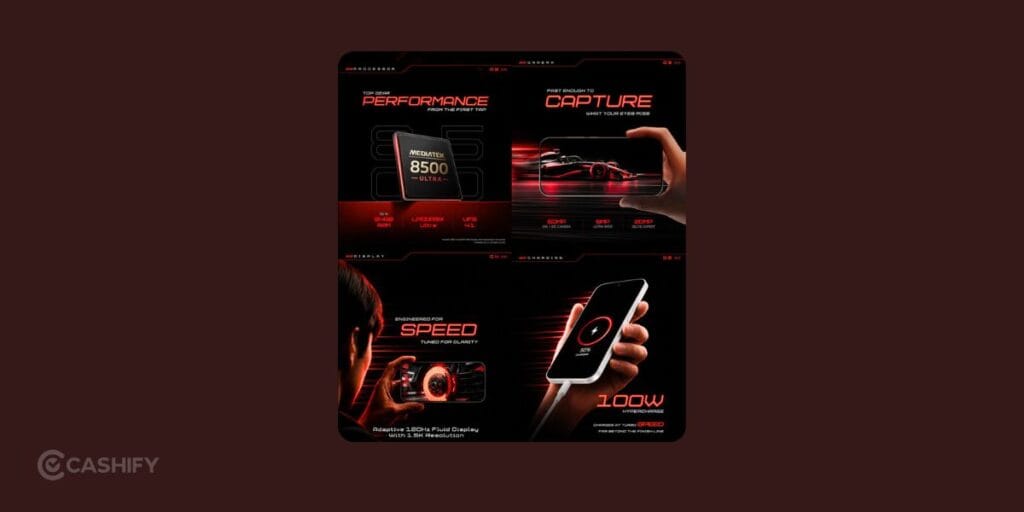
Redmi Turbo 5 vs Poco X8 Pro Comparing Pros & Cons
Pros Comparison
| Redmi Turbo 5 Pros | Poco X8 Pro Pros |
|---|---|
| Massive 7540mAh battery | Gorilla Glass 7i protection |
| 100W fast charging | Dolby Atmos-tuned audio |
| Excellent AMOLED display | Powerful Dimensity 8500 Ultra chipset |
| Strong gaming performance | Bright AMOLED display |
| Up to 16GB RAM option | IP68/IP69K durability |
| IP68/IP69K protection | Strong global availability |
Cons Comparison
| Redmi Turbo 5 Cons | Poco X8 Pro Cons |
|---|---|
| No expandable storage | Smaller battery than Redmi Turbo 5 |
| Average ultrawide camera | No microSD card slot |
| No headphone jack | No headphone jack |
| Some HyperOS bloatware | Similar HyperOS bloatware concerns |
Final Verdict: Redmi Turbo 5 Vs Poco X8 Pro
If you’re wondering whether there’s a huge difference between these phones, the answer is no.
Both the Redmi Turbo 5 and Poco X8 Pro offer outstanding value and comfortably compete with much more expensive smartphones. However, for most buyers, the Redmi Turbo 5 is the easier recommendation.
That gigantic 7540mAh battery is genuinely impressive. Plus, the availability of a 16GB RAM variant gives it a little more future-proofing. The Poco X8 Pro remains an excellent option, especially if durability, multimedia features, or regional pricing work in its favour. But if everything else is equal, the Redmi Turbo 5 takes the win.
Also read: Best Mobile Phone Under 20000 You’ll Love: Full List!
If you’ve just bought a new phone and don’t know what to do with your old phone, then here’s your answer. Sell old mobile to Cashify and get the best price for it. If you are planning to buy a new phone, check out Cashify’s refurbished mobile phones. You can get your favourite phone at almost half price with six-month warranty, 15 days refund and free delivery.