

It doesn’t matter if you are thinking of buying a smartphone or camera, the one thing you’ll notice is that all smartphone manufacturers, be it Samsung or RealMe, all these companies market their products with a few jargons and it includes the mighty ‘Megapixels’.
Yes, you heard it right. Megapixels are one of the most sought after factors that people invest in when buying a camera or a phone for photography.
Also read: How To Install Google Camera Mod In Any Android Smartphone
In layman’s language, a phone with a 13MP is undoubtedly the best when compared to an 8MP sensor. But believe it or not, megapixels are just a jargon that companies use to attract buyers and no matter if there are more ‘megapixels’ in your phone, the output might not be as desired as you think.
One thing that we would like to mention is that while there are advantages of a phone camera with a higher megapixel count, it is not always guaranteed to be the best in terms of camera quality.
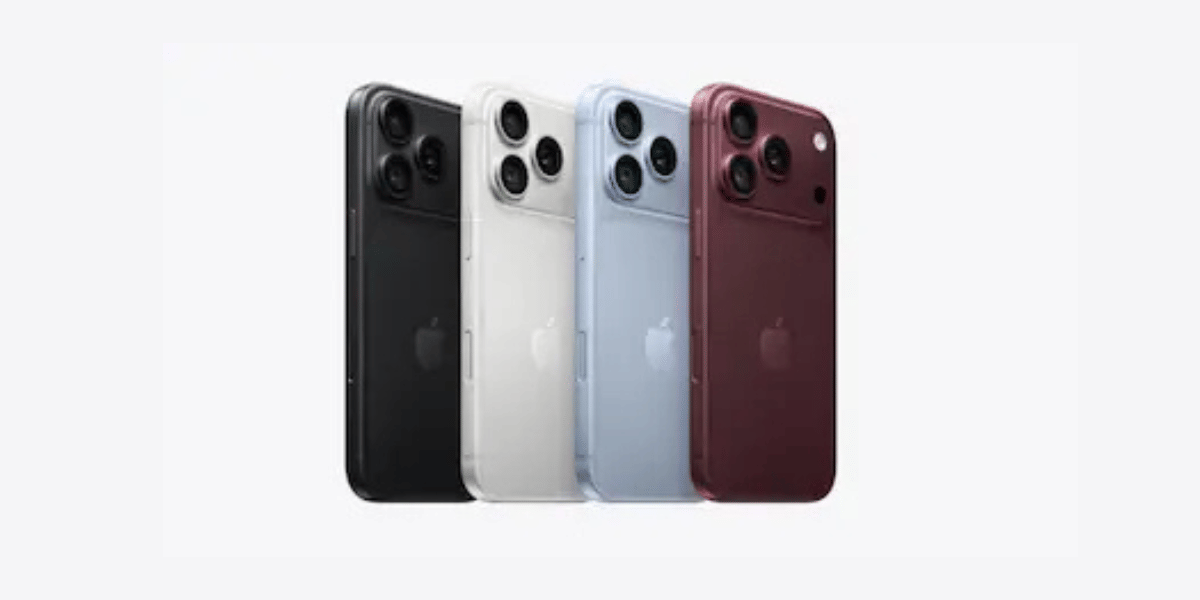
First, it is worth noting that iPhones have the lowest megapixel count of any smartphone camera out there. But everyone knows that Apple iPhones are considered to be the best in capturing photos and videos.
And this year with the launch of the iPhone 11, they have a new array of cameras but still, these cameras are of 12MP (not much upgrade in terms of megapixel numbers) and it is one of the best smartphones to capture images.
You might ask why that is the case. Well, it also depends on the camera sensor used as well as other factors and megapixel is not the only factor. However, we should add that phones with higher megapixel cameras have the advantages of better zoom and clarity.
Also read: Best Camera Apps For iPhone
If you stretch the image, it will not pixelate and that is the reason why we are seeing 5x, 10x, 50x and even 100x zoom capabilities these days on smartphone cameras. Although the zooming capabilities also depend on a lot more factors, and a higher megapixel camera is necessary for that.
Having said that, there are a plethora of myths around megapixels and how it works, etc. In this article, we are going to tell you about the most common myths that people have in their minds regarding megapixels on their phone.
What is a Megapixel?
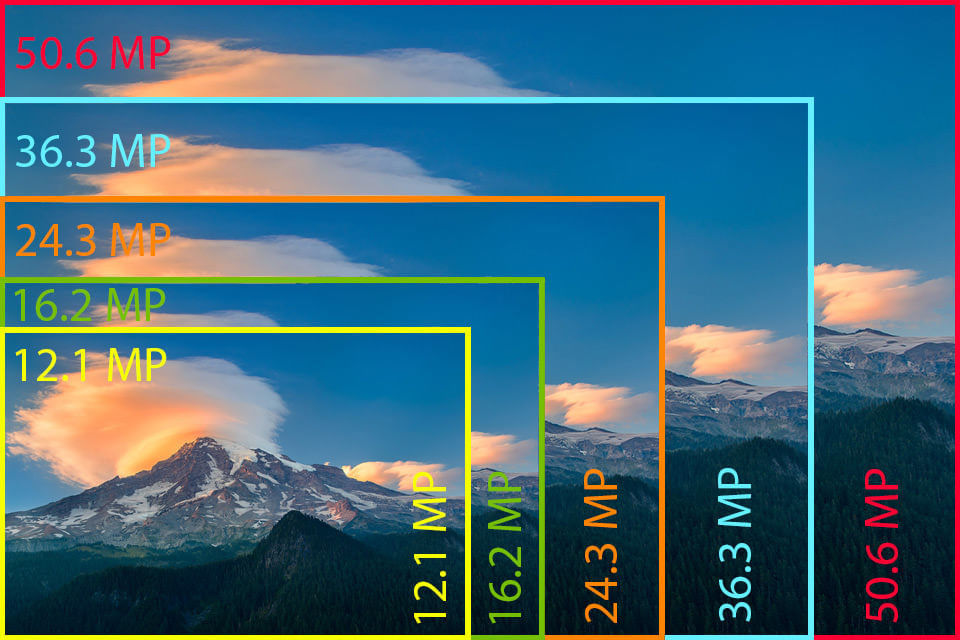
But before we can dive into busting the myths around megapixels, let’s see what it is. Apparently, a sensor of ‘x’ megapixels is made up of tiny parts that are called photosites.
These photosites capture light when the sensor is exposed which is then converted into a photo in the back-end. According to a definition, a sensor made up of 1,000,000 photosites with each photosite corresponding to individual pixels, you have 1-megapixel to shoot photos. Say that you have a larger 40-megapixel camera, it means you have 40,000,000 photosites (pixels) working together to create a humongous image.
Apparently, the more the number of photosites, the better the resolution but there are other factors involved here as well. A DSLR camera undoubtedly will have a larger sensor while smartphone cameras have smaller sensors which creates a huge difference. The difference in size can also make a lot of difference.
No doubt phones have smaller photosites or pixels while DSLR has bigger photosites. Having a larger surface to capture light allows the DSLR to grab more light and thus, convert it into a vibrant photo while smartphones have smaller photosites and thus, the resolution of the photos suffers a bit.
Now, let’s get back to breaking the myths that surround the phone camera industry and consumers in general.
Myth #1: More megapixels = Better Photos
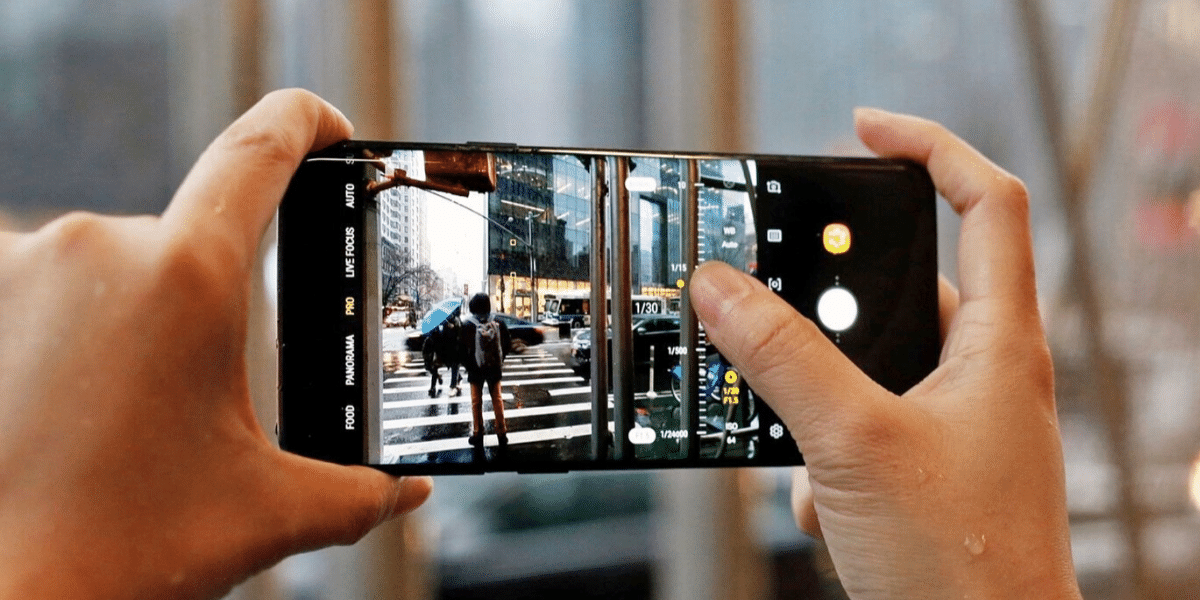
A common myth revolving around megapixels is that the higher the megapixels count, the larger the photo would be. If you click a photo on your phone, you can zoom a bit to see the action in close-up. However, it is fairly mythical that you can have a larger image with higher megapixel count keeping the sensor size unchanged.
To explain it well, consider that you are using a 16MP camera to click a photo. While keeping the sensor size unchanged, if you increase the megapixel count to 32MP, you are actually cramming the photosites to create a photo at 16MP since each photosite now has to share half of the size to another corresponding photosite. Further, each photosite or pixel will capture half the light, half the information and the output will not be as great as you would get on a 16MP sensor.
There are other factors such as the underlying algorithm that processes the RAW images, aperture and optics quality of the lens matter in determining how the output will churn out as well.
Myth #2: Dual Cameras are required for bokeh effect
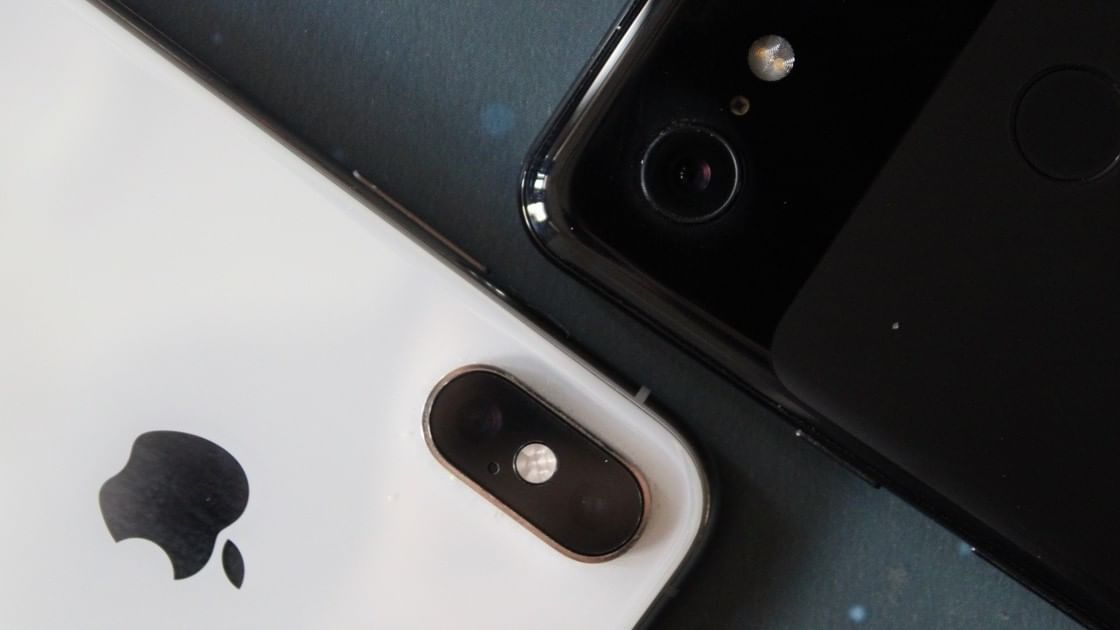
It is a common trend to have at least a dual-camera setup on any smartphone you can pick up. Well, it is worth noting that Apple launched iPhone 7 Plus with a dual-camera and insisted that a secondary sensor helped it achieve a DSLR-like bokeh effect or blur effect on its phone.
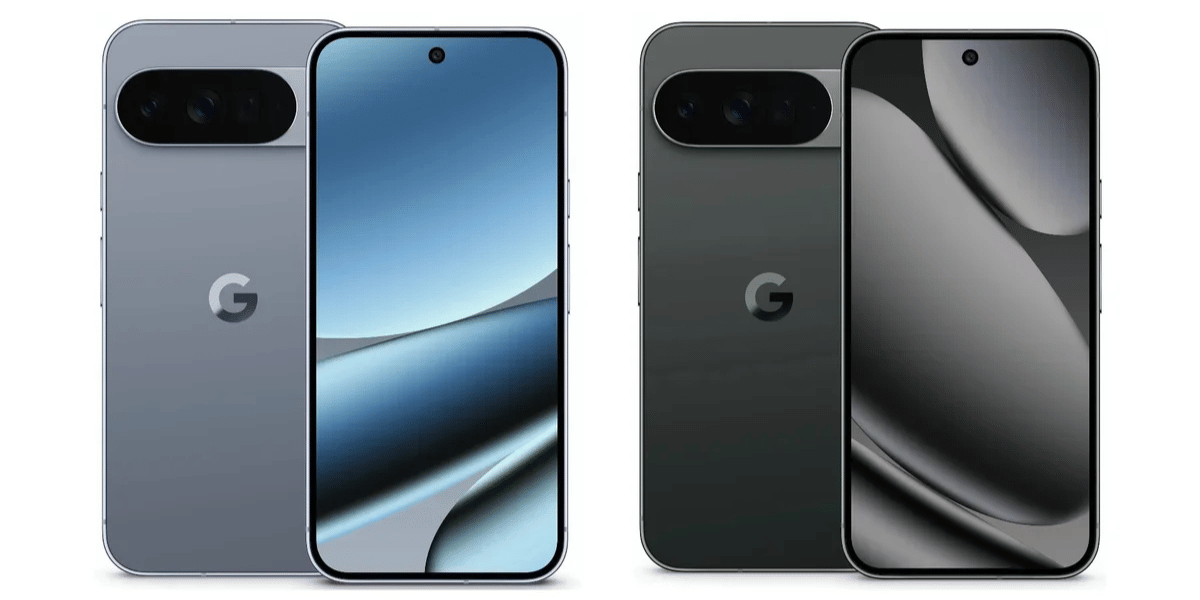
In reality, smartphones can do it with a single sensor as well such as we have Google Pixel line of smartphones, for example, features a single camera (Except the Pixle 4/4 XL) and is one of the best smartphone cameras out there that is capable to capture one of the best portrait shots from a smartphone.
Apple has been a trendsetter for years and no doubt smartphone manufacturers went into an overdrive flanking their primary sensors with a secondary one to achieve the bokeh effect. But the fact is that the Bokeh effect that you see on smartphones is more done by software than by the hardware. On DSLRs, everything is done by hardware but phones have machine learning and AI algorithms which helps them identify the subject and background and achieve a blur effect.
Also read: Top 10 Smartphones With A Dedicated Depth Sensor Camera To Capture Perfect Bokeh Shots
Myth #3: AI cameras aid in capturing better images
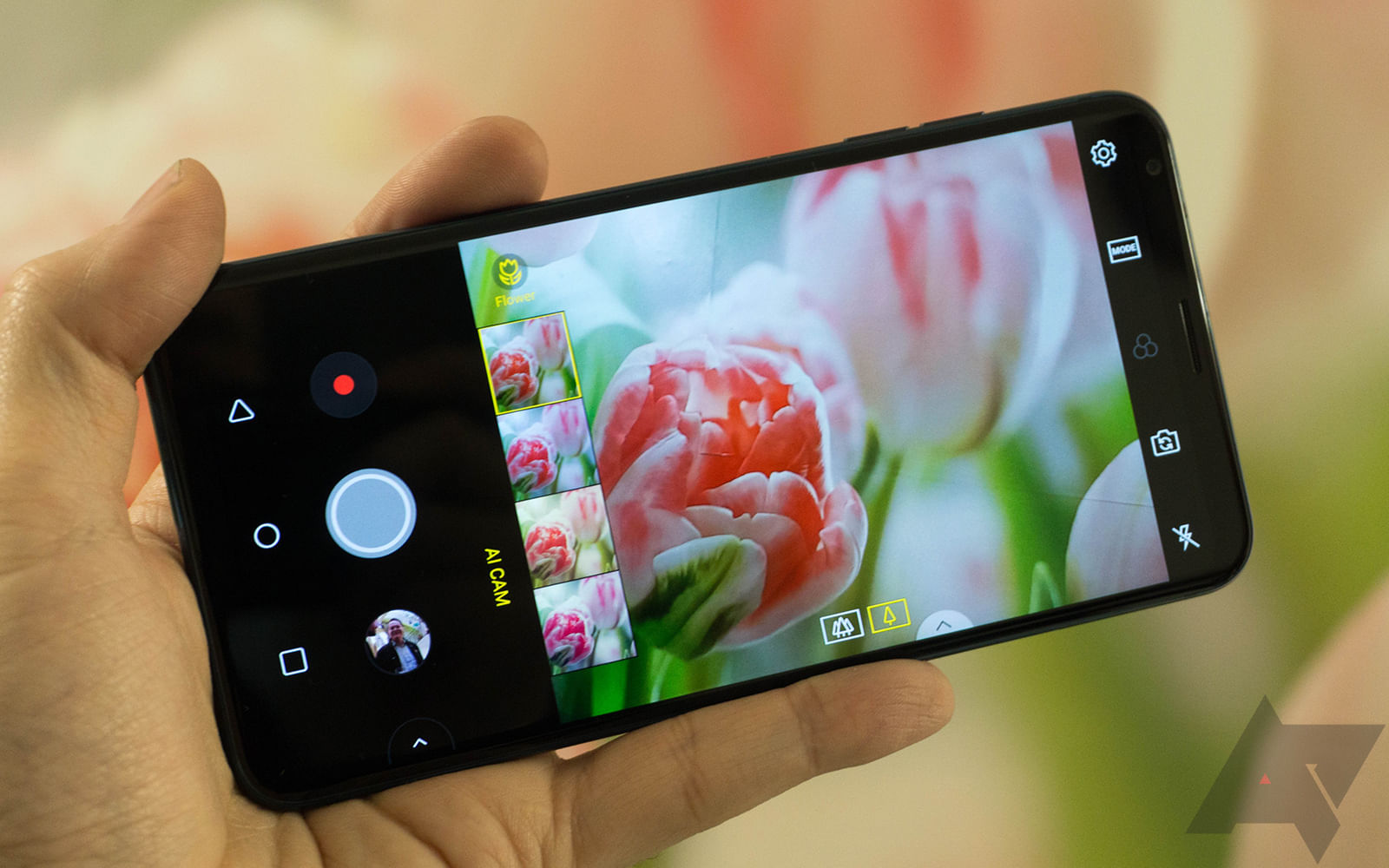
Huawei, Xiaomi, and a few other OEMs have massively marketed their smartphones with AI cameras where artificial intelligence does the job. Is it so?
It is one of the most sought after myths but it turns out AI doesn’t actually do a lot of stuff. The AI camera helps switch between camera modes, choose ISO, brightness and a bunch of other settings depending upon what phone you are using, turn on and turn off HDR, etc. Although AI helps in post-processing of the images as well, it solely depends on how the smartphone manufacturer has implemented it.
For example, Google Pixel devices are considered the best when it comes to photography due to their AI-based computational algorithms. Therefore, it is important to note that AI does a superb job in making the images and the final output better but it also depends on the camera and sensor which should take a great photo for the algorithms to make them even better.