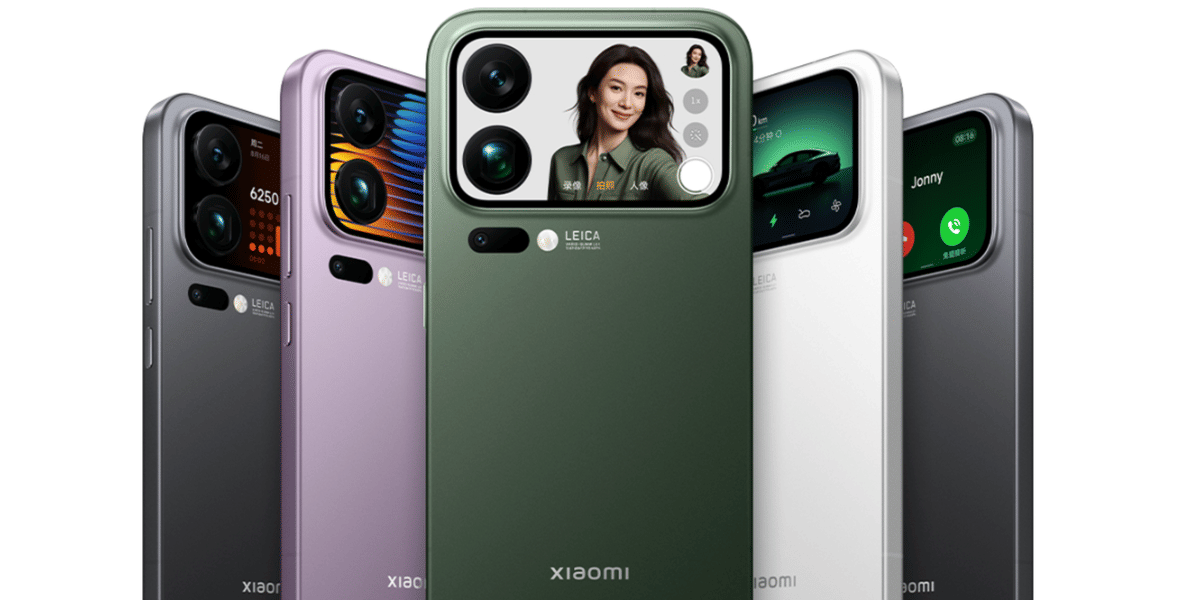
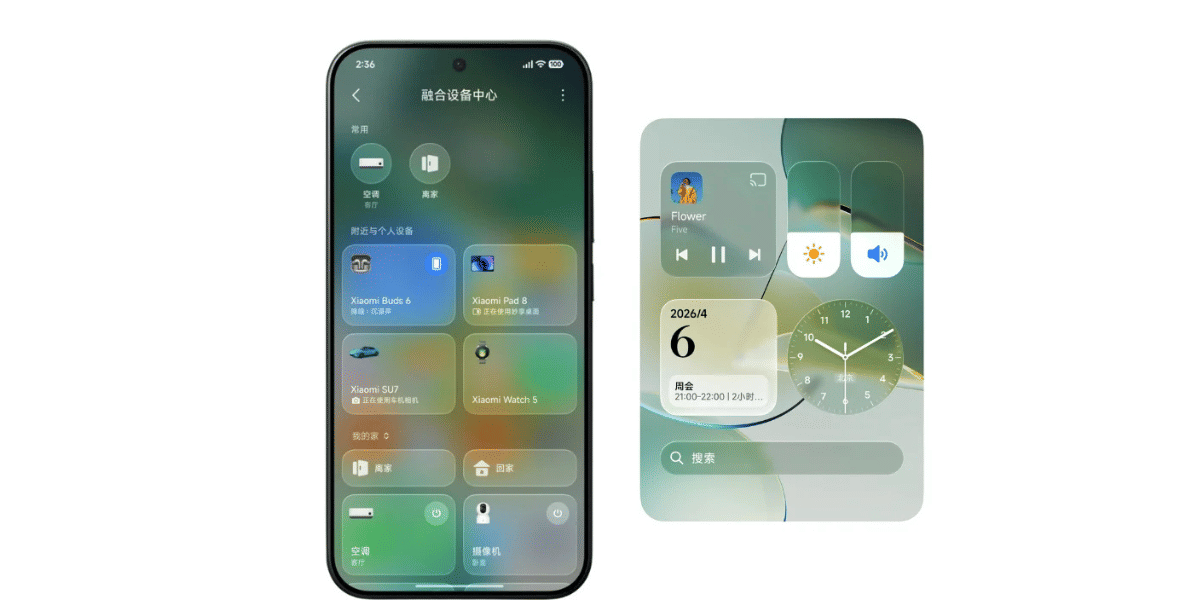
Xiaomi has revealed more details about its upcoming HyperOS 4 update, and one of the biggest visual changes is the new HyperOS 4 Soft Light Glass effect. Inspired by Apple’s Liquid Glass design, the feature adds translucent visuals, lighting effects and smoother interactive animations to supported devices.
However, Xiaomi will not bring the new design to every phone and tablet. The company says the effect needs advanced graphics processing, so only selected devices will receive it initially. The first beta rollout is currently focused on China, but global versions of eligible devices could also get the feature later.
HyperOS 4 Soft Light Glass: Which Devices Will Get It?
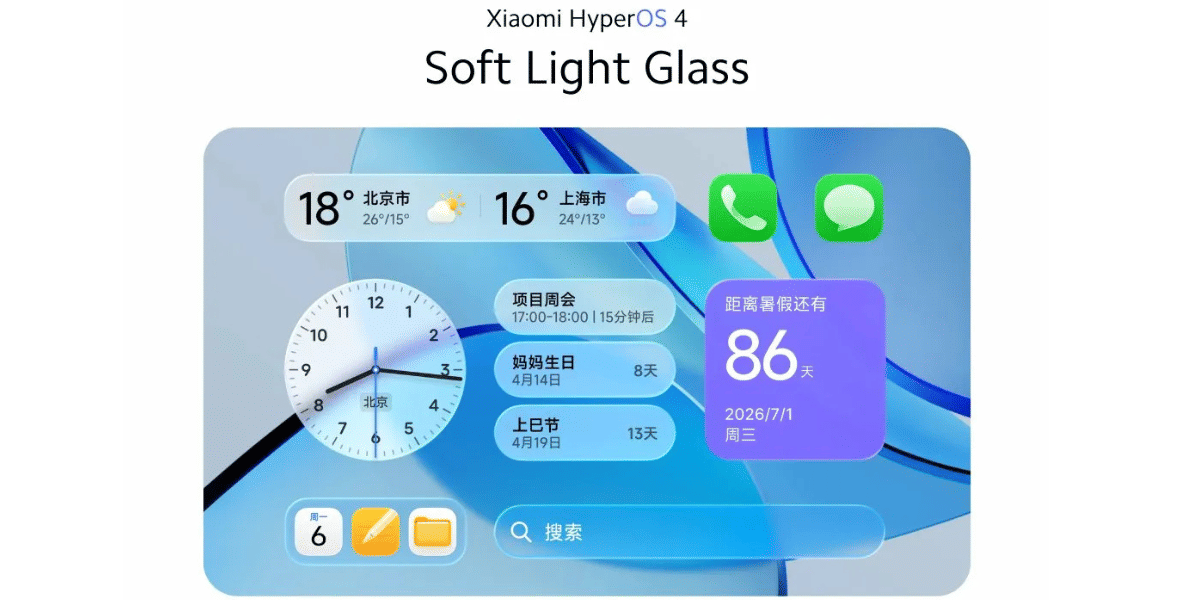
The Soft Light Glass effect requires significant graphics processing power. During the beta phase, Xiaomi plans to offer it first on devices powered by high end chipsets.
The initial hardware requirements include:
- Snapdragon 8 Elite or newer
- MediaTek Dimensity 9500 or newer
- Xiaomi Xring O1 or newer
The company also plans to expand support beyond the first beta group. This means some older flagship models, including the Xiaomi 13 and Redmi K70 series, could eventually receive the new interface.
Here is the current list of devices planned to support the HyperOS 4 Soft Light Glass effect:
Xiaomi MIX series
Xiaomi flagship series
- Xiaomi 17 series
- Xiaomi 17T series
- Xiaomi 15 series
- Xiaomi 14 series
- Xiaomi 13 series
Other supported devices
- Xiaomi Civi 5 Pro
- Xiaomi Redmi K100 Pro series
- Xiaomi Redmi K90 series
- Xiaomi Redmi K80 series
- Xiaomi Redmi K70 series, except K70E
- Xiaomi Redmi Turbo 5 Max
- Xiaomi Redmi Turbo 5
- Xiaomi Redmi Turbo 4 Pro
- Xiaomi Pad 8 Pro
- Xiaomi Pad 8
- Xiaomi Pad 7 Ultra
- Xiaomi Pad 7S Pro
- Xiaomi Redmi K Pad 2
- Xiaomi Redmi K Pad
Global Rollout Could Follow Soon
The HyperOS 4 Soft Light Glass effect is already reaching some eligible devices through the HyperOS 4 beta program in China. Xiaomi is still working on optimisation, so the final supported device list could change before the stable update arrives.
The design takes inspiration from Apple’s Liquid Glass interface, but Xiaomi appears to be focusing on hardware based support rather than offering the effect across its entire product range.
For global users, the biggest question is when Xiaomi will begin the international HyperOS 4 rollout. The company has yet to confirm specific global dates, but compatible global variants could receive the same visual upgrade once the stable version becomes available.
Comparison With HyperOS 3
HyperOS 3 was mainly about making Xiaomi’s software smoother and smarter, while HyperOS 4 takes a bigger visual step with Soft Light Glass and adds more advanced AI and performance features.
Feature | HyperOS 3 | HyperOS 4 |
|---|---|---|
Android version | Android 16 | Android 17 |
UI design | Redesigned icons, widgets and smoother animations | New Soft Light Glass design with transparency and dynamic lighting |
Animations | More than 100 system wide animation improvements | More fluid animations with interactive lighting effects |
AI features | Xiaomi HyperAI, AI Writing, AI Search, AI Translate and AI Speech Recognition | Super XiaoAI 2.0, AI Notes, summaries, translation and content creation tools |
AI assistant | Xiaomi HyperAI | Super XiaoAI 2.0 powered by Xiaomi MiMo models |
Lock screen | AI Cinematic Lock Screen and AI Dynamic Wallpapers | More flexible clock layouts, widgets and glass style effects |
Home screen | Redesigned icons and improved widgets | More flexible folders, widgets and new glass style interface |
Also See: Today’s Top News Stories
iQOO Z11 Price Revealed: First Phone With Dimensity 7500 Turbo Chip | |
Galaxy S26 Ultra Price Drop: Grab Now And Save Up To Rs 13,300 |
Are you still browsing through your broken screen? Don’t worry! Book at-home mobile phone screen repair with Cashify—an affordable and one-stop destination for all your mobile phone needs. In case you break your screen within 1 month of repair, we will replace your screen again—for FREE.