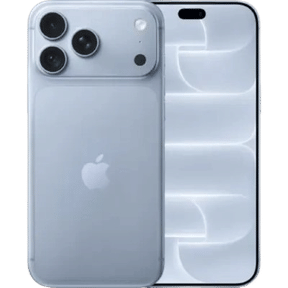


When someone goes out to buy a new phone, there are two main choices. You can either choose to get the Android, which is filled with customisations, advanced features, and a system that feels open. On the other hand, there’s iOS that’s more premium, refined, and works really well even after so many years. Both Android and iOS have become their very best with Android 17 and iOS 26. Android 17 Vs iOS 26 are pushing the boundaries of their own ecosystem to give users the best experience.
Both platforms now revolve around AI, automation, cleaner visuals, and interaction between apps. Still, the philosophy behind each system feels completely different.
Android 17 chases flexibility, deep AI actions, and user control. iOS 26 focuses on polish, visual consistency, and seamless interaction across Apple devices.
This Android 17 Vs iOS 26 comparison breaks down the biggest differences. Let’s get started:
Also Read: Apple iPhone 18 Pro Series Upgrades Could Be Apple’s Biggest Leap In Years
Android 17 Vs iOS 26: Design Changes!
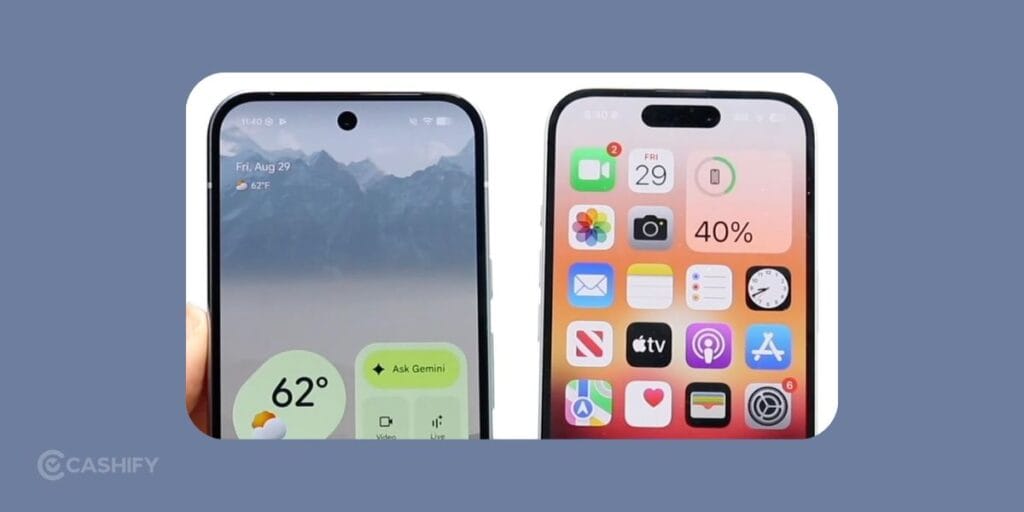
Android 17 has a Material Expressive design. It is built around frosted layers, softer blur effects, dynamic colours, and smoother transitions.
It just feels more alive than previous versions. You will observe that the menu and navigation react more naturally, widgets are better, and animations feel lighter. Google has made it modern with all the customisations.
The Pixel “At a Glance” section can finally disappear entirely if someone prefers a cleaner home screen.
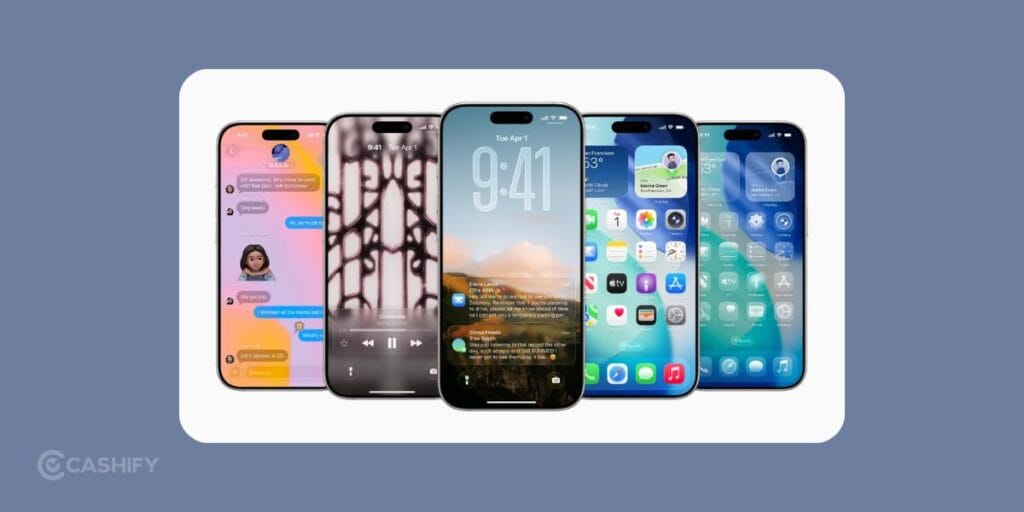
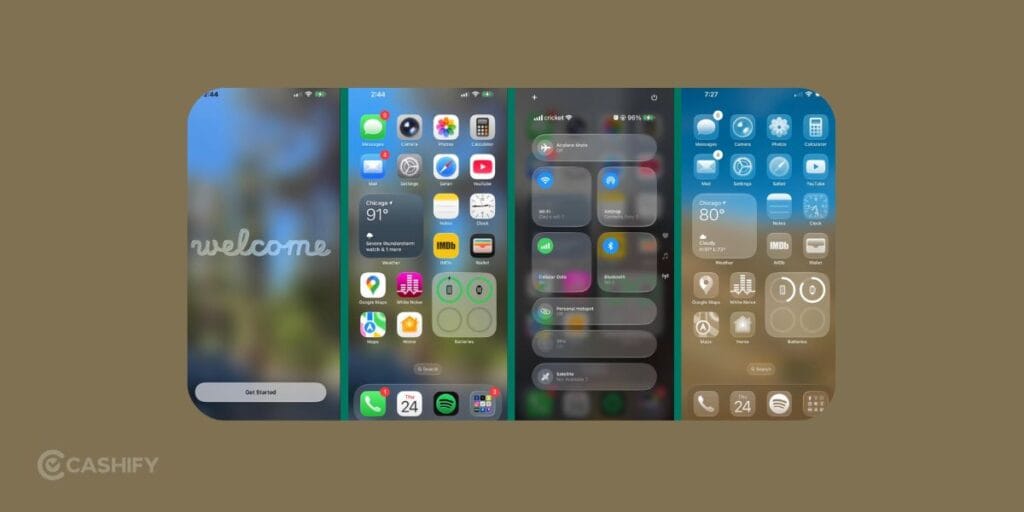
On the other hand, iOS has iOS 26 right now and is all about Liquid Glass. Apple uses transparent layers, glossy surfaces, and deep visual depth across all screens. It just feels more premium and highly polished. App windows are more suspended above the background. The control center, notifications, and naviation bars now carry a glass-like texture that reacts nicely during movement.
Every animation, blur effect, and visual layer follows the same language across the system.
Android 17 Vs iOS 26: AI
Gemini Intelligence
I feel this is the area with the biggest shift. It’s important to know how both the OS integrates AI in their system.
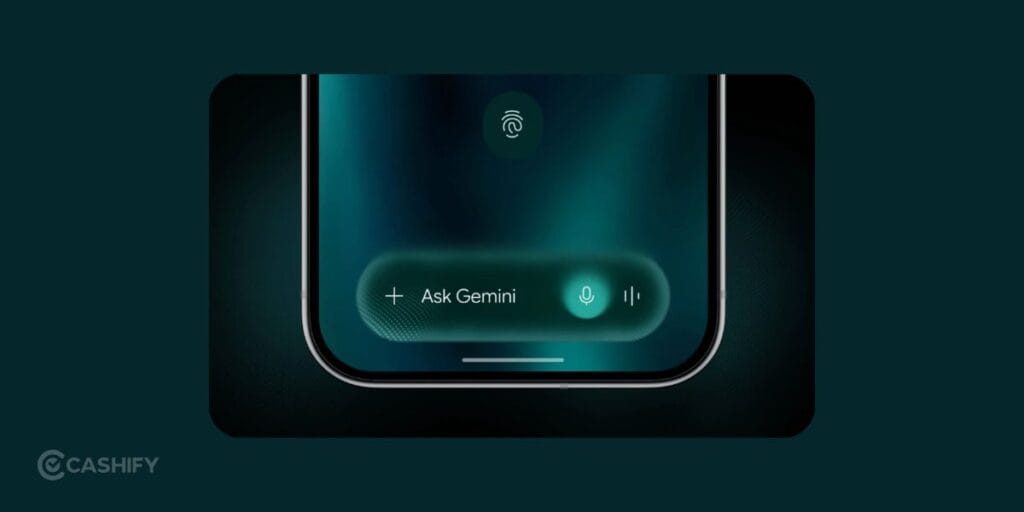
For Android 17, Gemini Intelligence like a digital assistant rather than a background tool. Instead of simple suggestions, it can do multi-step actions across apps. If you are planning to go somewhere, you can just upload screenshots or photos, and Gemini will give you the itinerary, organise bookings, and complete your tasks.
Google also has Rambler which is an upgraded speech-to-text system. It understands natural pauses, filler words, and mixed language conversations well. If you are switching between Hindi and English mid-sentence, you will notice smoother transcription. It matters a lot if you are using this feature daily.
Apple Intelligence
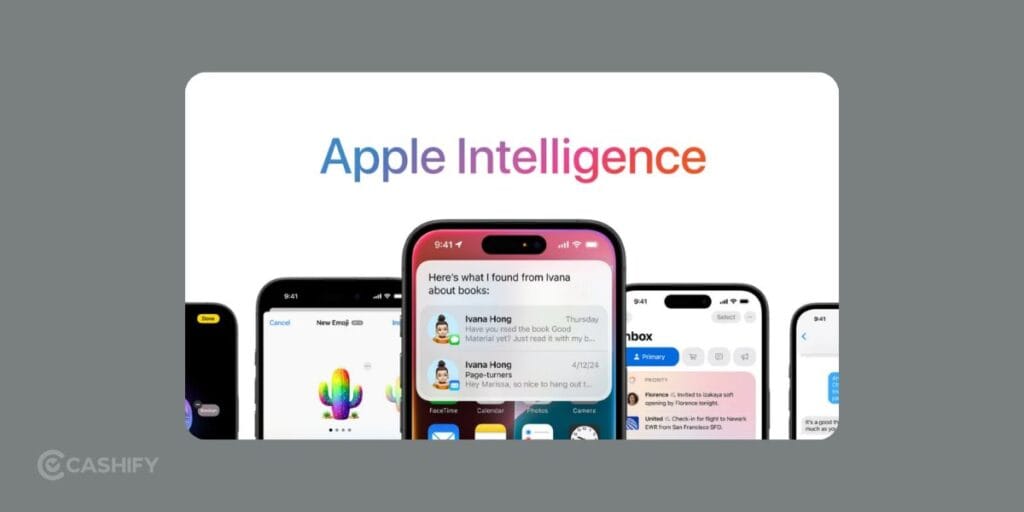
Apple Intelligence in iOS 26 focuses less on automation and more on refinement.
The system improves Siri, writing tools, summaries, image generation, and contextual suggestions. Apple still prefers a controlled environment where AI stays predictable and privacy-focused.
There are less experimental actions compared to Android 17.
Also Read: How To Get Liquid Glass On WhatsApp In iPhone: Simplest Guide!
Customisation And User Control
Android 17
Android 17 allows widget creation through simple text prompts. Instead of manually building layouts, users describe what they want and Android generates functional widgets automatically.
Notification handling also stays more flexible than iOS.
File management, app placement, background behaviour, and interface tweaks is still better with Android 17. You can literally have total control over your device.
iOS 26 Prefers Simplicity
Apple keeps customisation relatively limited.
The system feels cleaner and easier to manage. If you are an advanced user, you may still find restrictions frustrating. Apple values consistency over deep modification.
For many people, that simplicity actually reduces clutter and confusion.
Social Media Performance
Android 17 Finally Fixes Long-Standing Problems
For years, Android struggled on apps like Instagram and Snapchat. It is because the camera optimisation varied between devices.
Android 17 closes that gap significantly.
Ultra HDR support now works at the operating-system level. There is built-in video stabilisation which improves recording quality inside social apps. Even the upload quality appears far more consistent across devices. If you are a creator using Android device, you can no longer feel heavily disadvantaged.
iOS 26 Still Leads In Media Handling
Apple still maintains an advantage for social creators in several areas. Apps like TikTok allows larger upload limits on iPhones. Even the video compression remains cleaner during uploads. FaceTime audio and video quality also remain difficult for competitors to match.
For creators posting high-bitrate content daily, iOS 26 still holds a noticeable edge.
Privacy And Security
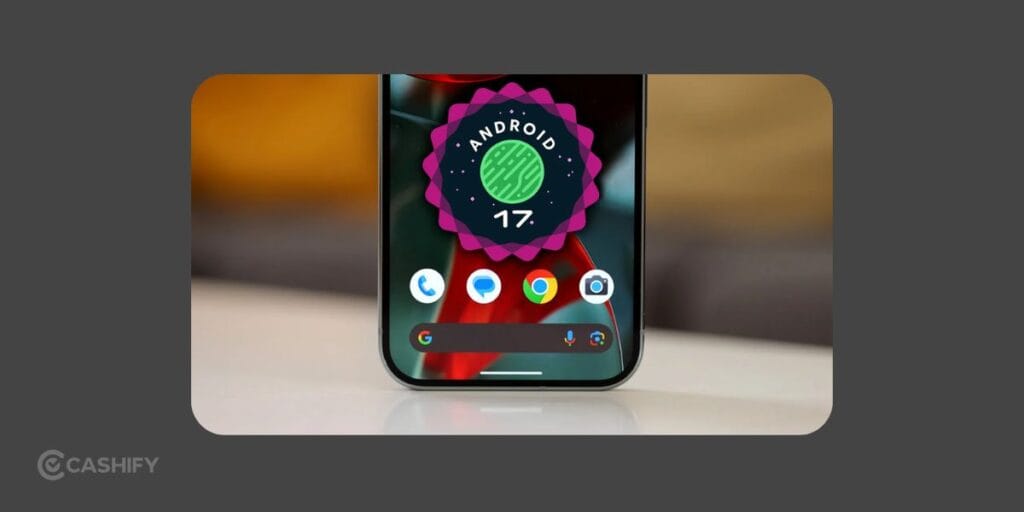
Android 17 Adds Smarter Protection
Google introduces practical safety improvements in Android 17. The Call scam detection is more aggressive. Even the temporary OTP hiding protects verification codes for several hours after arrival. Small additions like these target real-world threats directly.
Google clearly wants Android security to feel proactive rather than reactive.
iOS 26 Continues Its Privacy-First Identity
Apple is more into on-device processing and strict app behaviour rules.
Many AI actions occur locally instead of relying on cloud servers. Apple also continues pushing tighter SDK restrictions for developers.
Digital Well-Being
Android 17 Introduces “Pause Point”
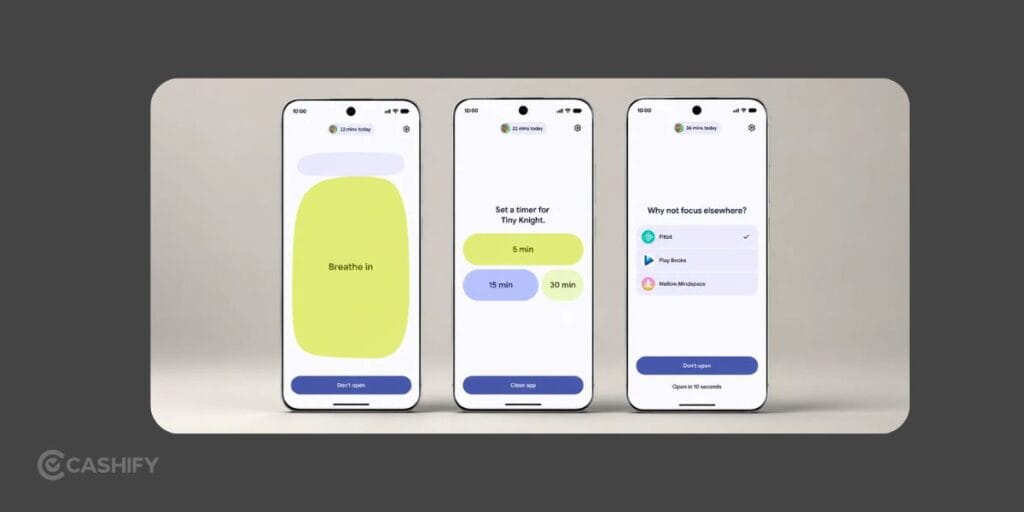
One unusual addition in Android 17 stands out immediately.
The new Pause Point system creates a serious barrier against endless scrolling. Once app limits activate, dismissing them requires a full device restart.
That sounds extreme, but Google clearly wants digital well-being tools to become harder to ignore.
How’s The Ecosystem Experience?
Apple Is All About Seamless Connectivity
This remains Apple’s strongest advantage. iOS 26 works effortlessly alongside iPads, Macs, Apple Watches, and AirPods. Files sync instantly, calls transfer smoothly, and cross-device continuity feels almost invisible.
Everything behaves like one connected system.
Also Read: How To Use Google AI Studio For Free (Step-By-Step Beginner Guide)
Android Still Depends On Brand Ecosystems
Android ecosystems improve every year, but the experience still depends heavily on manufacturers.
Samsung users get one type of integration, Pixel users another, and so on. Google improves cross-device interaction gradually but it’s nothing like Apple.
Final Thoughts
If you ask me, I would say Android 17 is more experimental and deeply AI-driven. It gives you automation better than any other mobile platform. If you love flexibility, voice tools, AI actions, and complete control, just get this without a blink.
iOS 26 is more about polished system, premium feel, and seamless connectivity with other devices. Liquid Glass surely gives it an identity.
Let me know which one is the clear winner according to you: Android 17 Vs iOS 26 in the comment section below. I would love to hear from you!
If you’ve just bought a new phone and don’t know what to do with your old phone, then here’s your answer. Sell old mobile to Cashify and get the best price for it. If you are planning to buy a new phone, check out Cashify’s refurbished mobile phones. You can get your favourite phone at almost half price with six-month warranty, 15 days refund and free delivery.