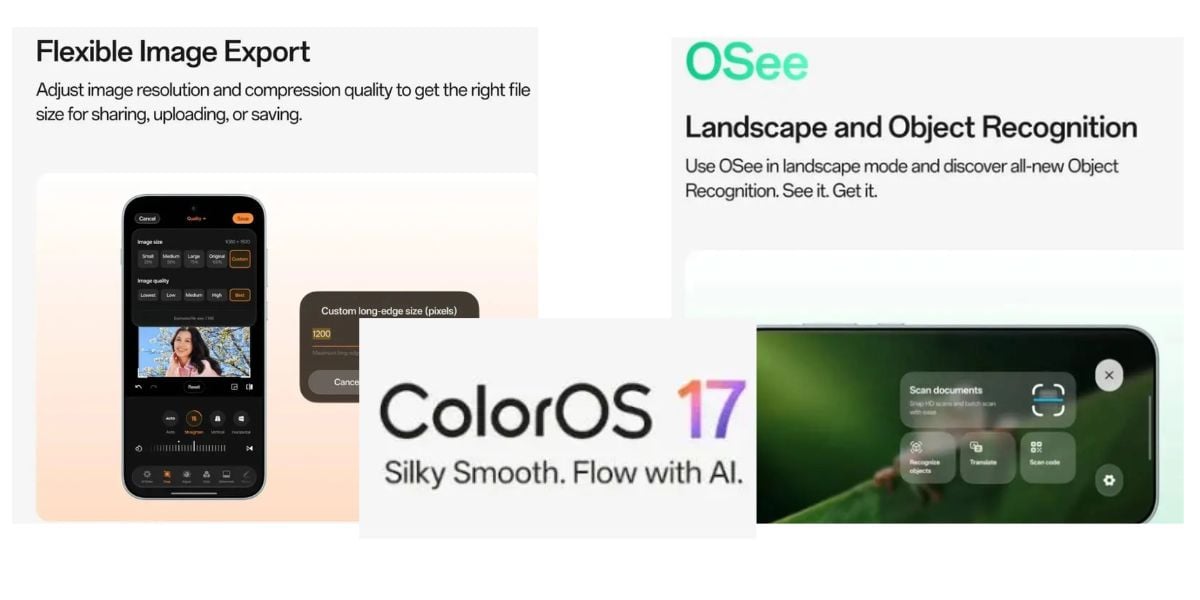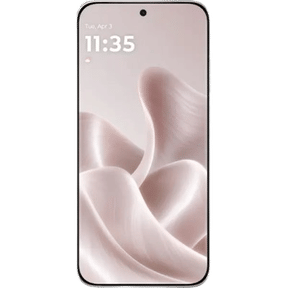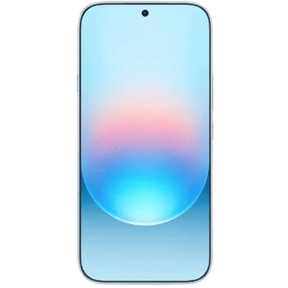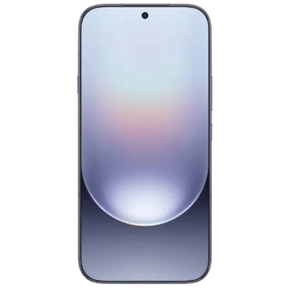


One wouldn't normally think of a ColorOS 17 vs iOS 27 comparison. Yet we are here! It's an interesting one because OPPO and Apple take different approaches to the smartphone experience. OPPO is focusing on AI-powered assistance, personalisation and smoother interactions. Apple is pushing deeper AI integration, smarter Siri features and a connected ecosystem.
Both operating systems introduce meaningful upgrades. But which one gives you more useful features in everyday life? Someone transitioning from the Android ecosystem to iOS would want to know it.
So, let's compare their design, AI capabilities, customisation, privacy and everyday usability to find out which operating system has the edge.
Also read: ColorOS 17 Vs HyperOS 4: Which Android UI Is Better?
ColorOS 17 vs iOS 27: Quick Comparison
Feature | ColorOS 17 | iOS 27 |
|---|---|---|
Developer | OPPO | Apple |
Software base | Android | Apple's iOS |
Interface | Living Flow Design | Refined Liquid Glass |
AI assistant | AI Mind Pilot | Siri AI |
AI photo editing | AI Photo Agent | Apple Intelligence photo tools |
Personal information | AI Mind Space | Siri personal context |
Home screen | Extensive customisation | Widgets and app personalisation |
Ecosystem | OPPO devices and supported services | Apple devices and services |
Security | Android-based security and OPPO protection features | Apple's integrated security and privacy controls |
Feature availability varies by smartphone model, region and language.
Also read: iOS 27.2 Features Explained: Supported Devices Out!
1. Design and User Interface: ColorOS 17 vs iOS 27
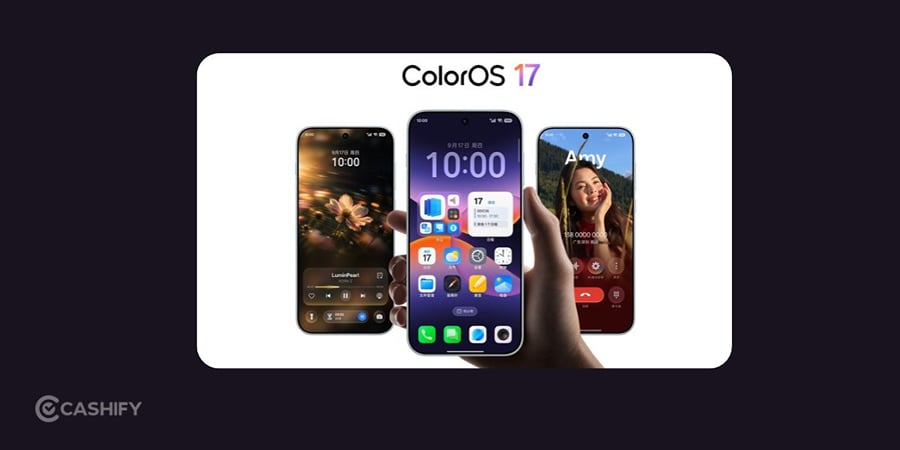
OPPO has introduced its Living Flow Design with ColorOS 17. It focuses on smoother transitions, translucent elements and responsive animations. The interface uses softer lighting effects and fluid movements to make interactions feel more natural.
One interesting addition is Flexible Feedback. Buttons and other interface elements respond to touch with subtle visual movements. Everyday interactions get a more tactile feel.
There's a Unified Rendering Architecture too to improve visual consistency and reduce rendering workloads.
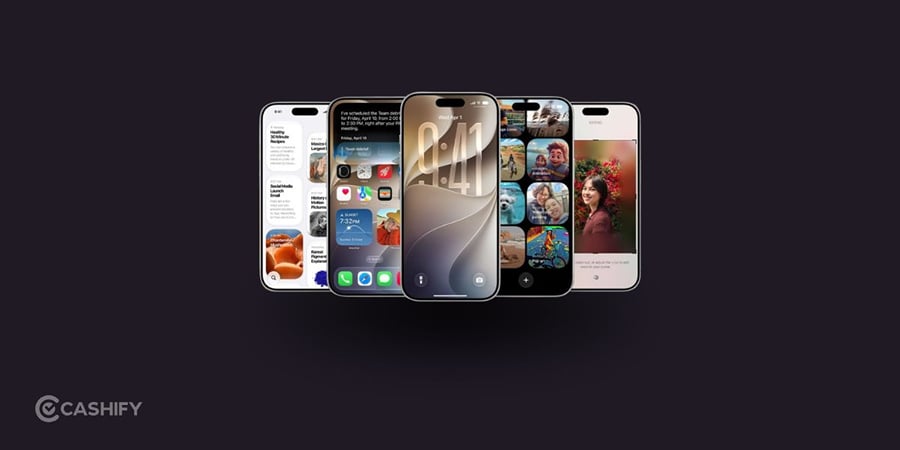
Apple continues with its Liquid Glass design language, with additional controls to adjust transparency. Users can change the appearance from a more transparent look to a fully tinted interface.
The overall design remains clean, with consistent navigation and familiar layouts. Apple has also introduced larger home screen widgets, giving users more information without opening individual apps.
Think: ColorOS 17 is the better choice if you like animated interfaces and more visual flexibility. iOS 27 is better for people who prefer a consistent, familiar interface with a polished appearance.
Also read: ColorOS 17 Vs Origin OS 7: What's The Difference?
2. AI Features: Which OS Is Smarter?
AI is one of the biggest talking points in this comparison. Both companies are moving beyond basic voice assistants and integrating AI into everyday smartphone tasks.
OPPO AI features
OPPO has introduced several AI tools under its updated OPPO AI experience:
- AI Mind Pilot: Its Agent Mode can work with files and photos stored on the device. It can organise documents, rename files, find photographs and complete multi-step tasks.
- AI Mind Space: Acts as a personal information hub. It saves useful content and organises it into searchable collections and summaries.
- AI Mind Suggest: Provides contextual information, such as travel reminders and journey updates.
- AI Photo Agent: Lets users edit images through natural-language instructions and apply styles based on reference photographs.
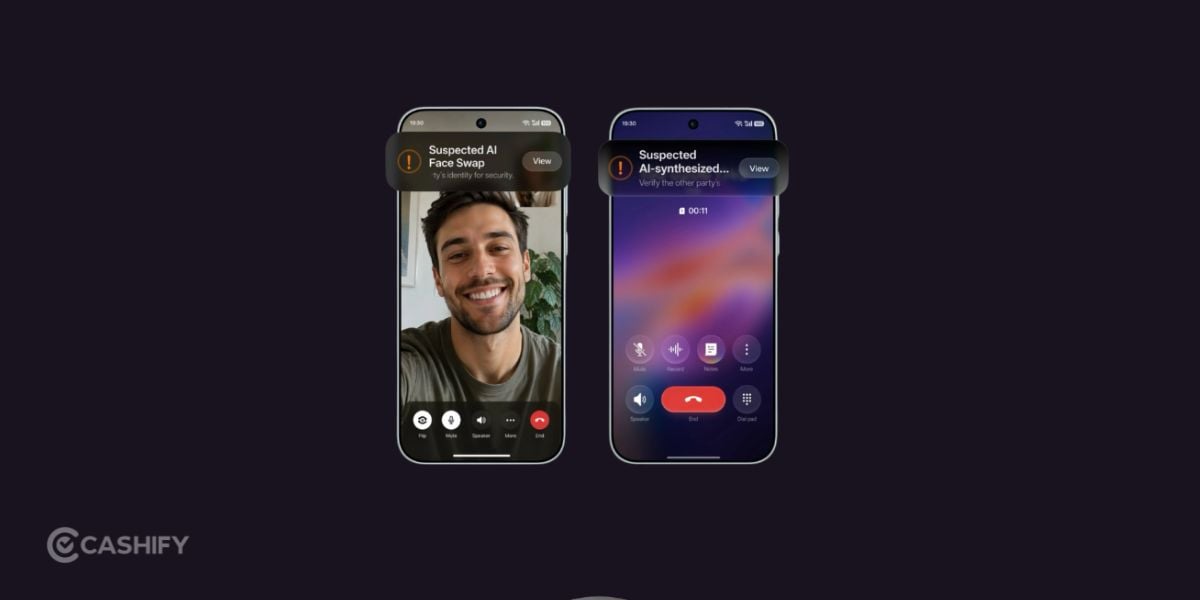
- AI Call Guard: Uses on-device AI detection to identify potential call fraud, including suspicious synthetic voices and AI face swaps. OPPO lists India among its supported markets.
These features make ColorOS 17 interesting for people who regularly manage documents, photographs and travel information on their phones.
 iOS 27 AI features
Apple has expanded Apple Intelligence with a more capable Siri AI experience.
Its key features include:
- Siri AI: Understands personal context, supports natural conversations and can perform actions across compatible apps.
- Visual Intelligence: Allows users to search for information and take actions based on objects or content viewed through the camera.
- AI Photo Editing: Includes tools such as Spatial Reframing, Extend and an improved Clean Up feature.
- Writing Assistance: Helps generate drafts, adjust writing styles and improve existing text.
- Smart Suggestions: Uses contextual information from apps such as Messages and Mail to suggest relevant actions.
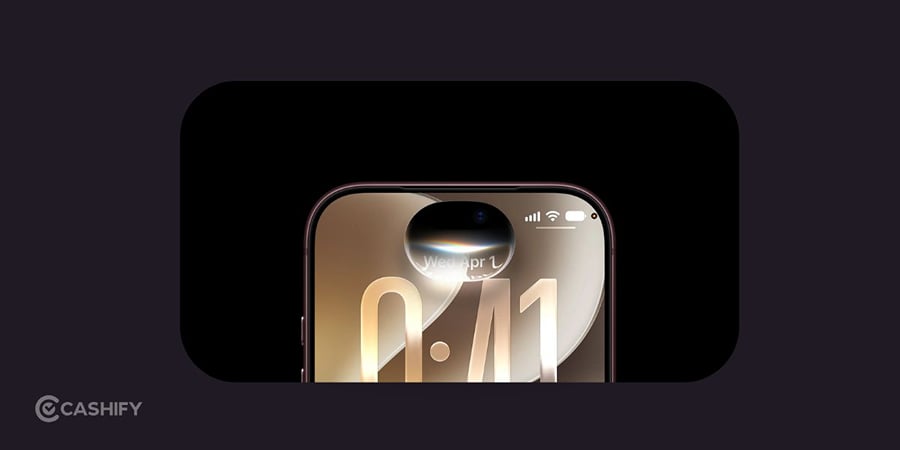
Apple's approach focuses on connecting AI with its existing apps and services rather than relying on individual AI tools.
Think: ColorOS 17 has an interesting advantage in file organisation, personal information management and call protection. iOS 27 has a strong advantage in integrating Siri AI across the Apple ecosystem. I would give ColorOS 17 the edge for its dedicated productivity tools, but Apple's implementation is appealing if you already use multiple Apple devices.
Also read: What’s New In ColorOS 17? Fluid Animations And More!
3. Customisation: Which Gives You More Control?
This is one area where Android-based ColorOS has a clear advantage.
ColorOS 17 gives users greater flexibility to personalise their smartphone experience. You can customise supported home screen elements, icons, widgets, themes and lock screen appearances. Its updated interface also adds more visual effects and animation options.
iOS 27 has improved its personalisation options with larger widgets and adjustable Liquid Glass effects. Users can customise the appearance of their home screen and supported interface elements.
But Apple's approach remains more controlled. It prioritises consistency across devices instead of giving users extensive control over every interface element.
Winner? ColorOS 17. If you like changing your home screen, experimenting with themes and adjusting the interface, OPPO's software gives you more room to play.
4. Privacy and Security: Which Is Safer?
Both operating systems take privacy seriously, but their approaches are different.
ColorOS 17 introduces a Transparency Report. It gives users information about AI service usage, including when services were accessed and what operations were performed. OPPO also highlights on-device AI detection for its Call Guard feature.
iOS 27 continues Apple's focus on app permissions, privacy controls and secure integration between hardware and software. Its updated AI experience also includes controls over which apps Siri, Search and suggestions can access.
For instance, iOS 27.2 introduces Excluded Apps. It allows users to control app access to certain Siri and system intelligence features.
For us, protection against suspicious calls is a particularly useful consideration. OPPO's AI Call Guard is an interesting addition, although it should not replace basic precautions against fraud.
Think: Apple has an advantage in its tightly integrated privacy ecosystem and granular controls. OPPO's Transparency Report is a useful step towards greater visibility into AI-related data usage. Neither operating system should be considered completely immune to security threats.
5. Performance and Everyday Experience
A smartphone operating system should feel responsive after months of use, not just during the first few days.
OPPO has focused heavily on long-term smoothness with ColorOS 17. Its Laminar Flow Engine improves resource scheduling. While the updated rendering architecture reduces unnecessary workloads.
Apple's iOS 27 focuses on system-wide improvements across responsiveness, memory usage, search and display performance. Apple also highlights refinements to CPU utilisation and app responsiveness. The actual experience will depend on the phone model being used. Hardware, RAM, storage, thermal management and software optimisation all influence performance.
My take: Both platforms appear focused on maintaining smooth performance over time. I would not declare a winner based on manufacturer claims alone. However, Apple is a more popular choice when it comes to the ColorOS 17 vs iOS 27 experience.
Also read: ColorOS 16 vs ColorOS 17: What’s New, What’s Better, And Should You Upgrade?
ColorOS 17 vs iOS 27: Which One Should You Choose?
 Both operating systems have meaningful strengths, but they target different types of smartphone users.
Choose ColorOS 17 if you want | Choose iOS 27 if you want |
|---|---|
Greater home screen customisation | A consistent interface |
AI-powered file organisation | Deeper Siri AI integration |
More control over the Android experience | Strong Apple ecosystem connectivity |
AI-powered call fraud detection | Integrated privacy controls |
More flexibility across Android services | Seamless use across Apple devices |
Final Verdict
After comparing ColorOS 17 vs iOS 27, I'd pick ColorOS 17 for flexibility and its practical AI productivity features. Its Agent Mode, Mind Space and AI Call Guard make it an interesting option for users who want their smartphone to do more than run apps and answer queries.
That said, iOS 27 is a better fit for people already invested in Apple's ecosystem. Its upgraded Siri AI, privacy controls and integration across Apple apps make everyday tasks more connected. And offcourse it has far more loyal users than ColorOS.
For most Android users who enjoy personalisation and greater control, ColorOS 17 is the more appealing choice. But if you use a Mac, Apple Watch or iPad regularly, iOS 27 will provide a more seamless overall experience.
Ultimately, both are capable operating systems. But if you had to choose, which one would you go for in ColorOS 17 vs iOS 27? Drop your thoughts in the comments!
Also read: ColorOS 17 Features, AI Tools, Performance Upgrades: Everything Explained!
If you’ve just bought a new phone and don’t know what to do with your old phone, then here’s your answer. Sell your old mobile to Cashify and get the best price for it. If you are planning to buy a new phone, check out Cashify’s refurbished mobile phones. You can get your favourite phone at almost half price with a six-month warranty, 15-day refund and free delivery.