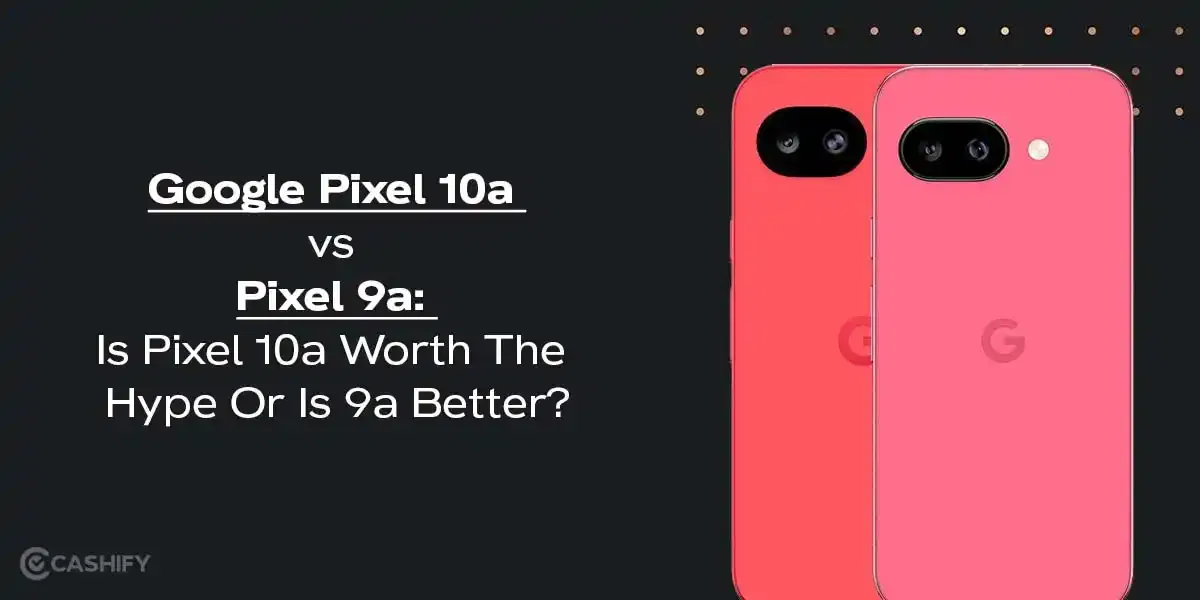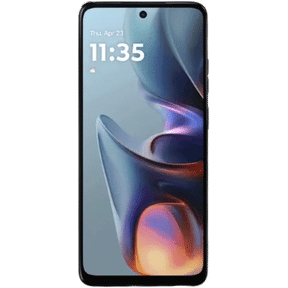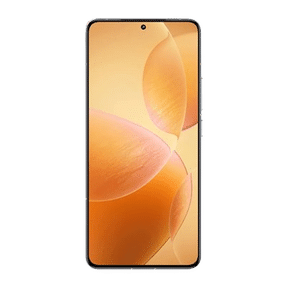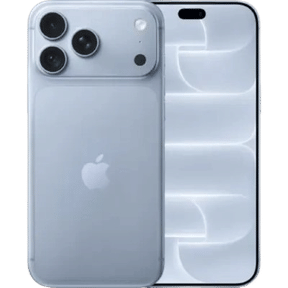


Today, Google launched the Google Pixel 10a with a fresh design and features similar to last year’s Google Pixel 9a. The Apple iPhone 16 was launched in 2024 with its top-quality camera capabilities.
Now, in 2026, we have a curious question: Should we buy the Google Pixel 10a, which offers a fresh perspective, or should we go with the Apple iPhone 16, which is still relevant to today’s price segment?
So, let’s compare the Google Pixel 10a and Apple iPhone 16 to see which is the best choice to buy in 2026.
Also Read: OPPO Find X9 Review: Flagship Performance Meets Real-World Camera Challenges
Google Pixel 10a Vs Apple iPhone 16: Specs At A Glance
| Feature | Google Pixel 10a | Apple iPhone 16 |
| Launch year | 2026 | 2024 |
| OS | Android 16 (up to 7 years updates) | iOS 18 upgradable to iOS 26.3 |
| Processor | Google Tensor G4 (4nm) | Apple A18 |
| Display | 6.3-inch P-OLED, FHD+, 120Hz | 6.1-inch OLED, 60Hz |
| RAM | 8GB | 8GB |
| Storage | 128GB / 256GB | 128GB / 256GB / 512GB |
| Rear cameras | 48MP (main) + 13MP (ultrawide) | 48MP (main) + 12MP (ultrawide) |
| Front camera | 13MP | 12MP |
| Battery | 5,100mAh | 3,561mAh |
| Charging | 45W wired + 7.5W wireless | Wired + 25W wireless (MagSafe) |
| Build & durability | IP68, Gorilla Glass 7i | Ceramic Shield front, aluminum frame |
| Weight | 183g | 170g |
| Biometrics | In-display fingerprint | Face ID |
| Connectivity | 5G, Wi-Fi 6E, Bluetooth 6.0 | 5G, Wi-Fi, Bluetooth 5.3 |
Google Pixel 10a vs Apple iPhone 16: Design and Display
The Google Pixel 10a has an excellent design, backed by an eliminating camera bump. This phone measures 153.9 x 73 x 9 mm and weighs 183 grams. Moreover, it features Gorilla Glass 7i on the front, an aluminum frame, and a plastic back.
Users can insert a Nano-SIM and run an eSIM. Moreover, it has an IP68 rating for dust-tight and water-resistant performance and is submersible to 1.5m for 30 minutes.
Moreover, it comes with a 6.3-inch P-OLED display with HDR support and a 120Hz refresh rate. It also has 2700 nits peak brightness, and the display resolution is 1080 x 2424 pixels with a 20:9 ratio
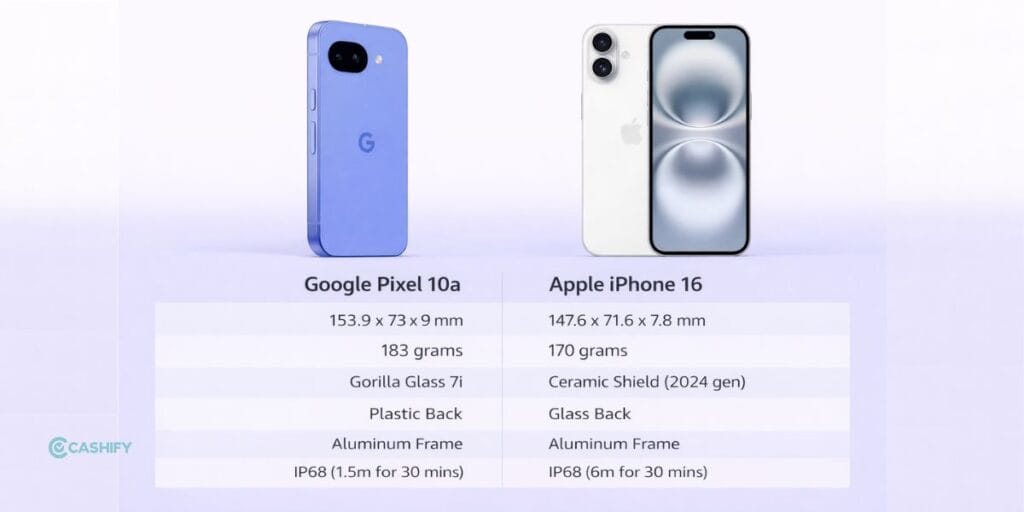
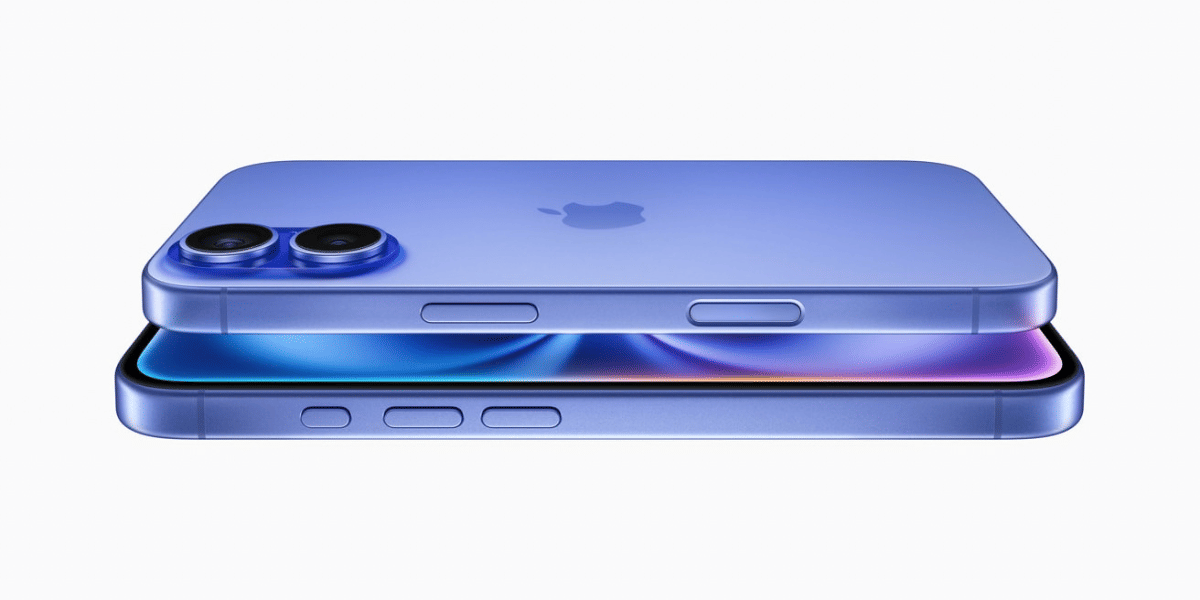
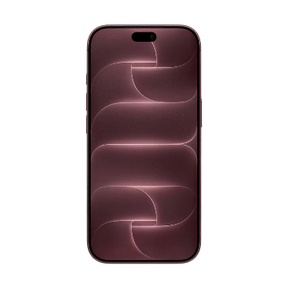
Apple iPhone 16 also has a fresh design compared to all previous models, from iPhone 11 to iPhone 15. This phone measures 147.6 x 71.6 x 7.8 mm and weighs 170 grams.
Furthermore, this phone features Ceramic Shield glass (2024 gen) with a Mohs level 4 on the front, an aluminum frame, and a glass back, resulting in an excellent look.
Users can insert a Nano SIM, and the 2nd slot can be converted to an eSIM, as you can only have two SIMs at a time. While global users can add two eSIMs simultaneously, USA users can add eight eSIMs simultaneously, but can use only two at the same time.
This phone also has an IP68 rating for dust-tight and water-resistant performance, and is submersible up to 6 meters for 30 minutes.
The Apple iPhone 16 features a 6.1-inch Super Retina XDR OLED display with HDR10 support, delivering high-quality content. Moreover, it supports Dolby Vision and has 2000 nits (HBM) for better visibility in sunlight. Its display resolution is 1179 x 2556 pixels and a 19.5:9 aspect ratio.
Quick Note
The Pixel 10a offers a larger 6.3-inch display with a 120Hz refresh rate, making scrolling and gaming noticeably smoother than the iPhone 16’s 60Hz panel. It also delivers higher peak brightness and a modern, flat design without a large camera bump.
While the iPhone 16 feels more premium and slightly lighter, the Pixel offers a more fluid, contemporary display experience at this price.
Final Winner: Google Pixel 10a
Also Read: Samsung Galaxy Z Flip7 Long Term Review: The True King Of Flip Phones
Google Pixel 10a vs Apple iPhone 16: Camera and Battery
The Google Pixel 10a has a 48 MP (wide) camera with dual-pixel PDAF, OIS, and a 13 MP (ultrawide) rear camera. Moreover, it has a 13MP front-facing camera for great selfies. It features Dual-LED flash, Pixel Shift, Ultra HDR, panorama, and Best Take mode, allowing you to capture the finest images in any condition.
This phone also uses advanced AI-driven image processing to enhance low-light and portrait photography. Users can record 4K videos at 60fps with the rear camera and at 30fps with the front camera.
Moving on to the battery segment, it comes with a 5100 mAh capacity, offering over 30 hours of mixed usage and potentially up to 53 hours. So, this is a significant, high-efficiency upgrade over previous models.
It will likely support rapid wired charging and last 1,000+ cycles. This phone supports 45W wired and 7.5W wireless charging. It also has bypass charging, so you can play games without effecting battery.
The Apple iPhone 16 comes with a 48 MP (wide) sensor-shift OIS rear camera and a 12 MP (ultrawide) rear camera. It has a 12MP (wide) camera with a depth/biometrics sensor for FaceID.
The user can record 4K at 24/25/30/60 fps with stereo audio recording from the rear and front cameras. This phone features advanced camera systems with new hardware like a dedicated Camera Control button. The software enhancements are powered by the A18 chip for improved image processing and spatial video capture.
Furthermore, the Apple iPhone 16 has a 3561 mAh Li-Ion battery, offering up to 22 hours of video playback (18 hours streamed) and 80 hours of audio playback. This phone can be charged to 50% in 30 min and supports 25W MagSafe Qi2 charging. It also has 4.5W reverse wired to charge your AirPods and Smartwatches.
Quick Note
Both phones feature strong dual-camera setups with excellent image processing. The Pixel 10a focuses on AI photography and low-light performance, while the iPhone 16 offers consistent video quality, better stabilization, and reliable color science.
On the battery side, the Pixel clearly wins on capacity and endurance with its 5,100mAh battery, while the iPhone relies on efficiency rather than size. If you value photography and battery life, the Pixel is better; if you shoot more videos and want stable performance, the iPhone still holds its ground.
Final Winner: Draw (Depends on priorities)
Also Read: Apple iPhone 16 Pro Long Term Review: Feels Unfinished Next To iPhone 17
Google Pixel 10a vs Apple iPhone 16: Performance And Software
The Google Pixel 10a is powered by lastest Google Tensor G4 (4 nm) chipset for smooth performance. This chipset offers improved features such as on-device translation, photo editing, voice typing, and smart assistant functions. It focuses more on real-world intelligence than raw benchmark scores.
The chip handles daily tasks such as social media, camera use, navigation, and multitasking very smoothly. Pixel phones feel fast because Google optimizes both hardware and software together.
While keeping in mind that it is not the fastest in raw performance compared to flagship chips like Snapdragon 8 Gen series, Apple A18 series chips
This phone is not ideal for heavy gaming, nor is it its strongest area for high-end rendering. While casual and mid-level games run fine. It still has UFS 3.1 storage, which is quite outdated given the price.
The Google Pixel 10a runs on Android 16, which will receive an almost seven-year update. Moreover, recently I used the Google 9 Pro XL for review, where the same UI exists. My experience was great, no bloating, no extra Ads, offering a clean UI experience.
The Apple iPhone 16 features a powerful Apple A18 (3 nm) chipset, offering excellent performance in every segment. This chip is known for top-tier single-core and multi-core performance.
The A18 delivers extremely fast app launches, smooth multitasking, and strong performance in demanding tasks like video editing or gaming.
It also offers excellent power efficiency, like longer battery life, lower heat output, and stable performance over long sessions. The A18 includes a next-generation Apple GPU that offers high frame rates in AAA mobile games, better graphics rendering, and strong sustained gaming performance.
But yes, it has limited customisation and ecosystem lock-in compared to Android. It is also a weak AI system compared to Google Gemini thats why Apple tied up with Google to improve Apple Intelligence.
Regarding the software, it runs iOS 18, which is upgradable to iOS 26.3 and may get a five to six-year update. I’m currently using an Apple iPhone 15 running iOS 26.3, and I love the Liquid Glass experience. Animations are cool, have low battery consumption, and have better app widgets.
Also Read: Google Pixel 9 Pro XL Long Term Review: A Photographer’s Dream
Quick Note
The iPhone 16’s Apple A18 chip delivers significantly better raw performance. It also offers better gaming stability and long-term smoothness compared to the Tensor G4. It also offers excellent efficiency and strong software optimization with iOS. The Pixel 10a counters with 7 years of Android updates and smart AI features. But in pure speed, gaming, and sustained performance, the iPhone clearly leads.
Final Winner: Apple iPhone 16
Conclusion
The Google Pixel 10a brings a smoother 120Hz display and a bigger battery. Plus, its long-term software support makes it a strong value choice in 2026. Meanwhile, the Apple iPhone 16 still leads in raw performance, video quality, and overall polish. If you want the best balance of features for the price, the Pixel 10a is the better pick, but performance-focused users may still prefer the iPhone 16.
Are you still browsing through your broken screen? Don’t worry! Book an at-home mobile phone screen repair with Cashify—an affordable and one-stop destination for all your mobile phone needs. In case you break your screen within 1 month of repair, we will replace your screen again—for FREE.