

Android 17 is the next major version of Google’s mobile operating system, and as 2026 approaches, many users are already curious about one thing- are they having Android 17 eligible devices or not?
Every new Android update brings improvements in speed, security, design, and battery optimization. But not every phone gets updated, and eligibility depends on brand policy, phone model, and release year.
In this blog, you will find the Android 17 eligible devices list, expected rollout timeline, and everything you should know about the update. So, let’s begin.
Also Read: iOS 26.5 Release Date And Supported Devices: Is Your iPhone Getting The Update?
What Is Android 17?
Android 17 is the next major Android operating system expected to bring:
- Smarter AI-powered features
- Better app privacy controls
- Improved battery efficiency
- Faster animations
- Better gaming optimization
- Enhanced foldable support
- Improved multitasking
- New customization tools
Additionally, Google can integrate more Gemini AI features directly into Android 17 for smarter voice assistance and productivity.
Latest Updates About Android 17
Android 17 is no longer an upcoming update. Google released the stable version on June 16, 2026, and it’s been rolling out to eligible phones since. Internally, Google calls it “Cinnamon Bun,” and it’s officially Android API level 37.
Unlike some of the vaguer “AI and battery improvements” promises floating around before launch, a few Android 17 features are already confirmed and live:
- Bubbles
Any app can now be popped out into a small floating window that stays on top of whatever else you’re doing. It is handy for chatting while browsing or watching a video.
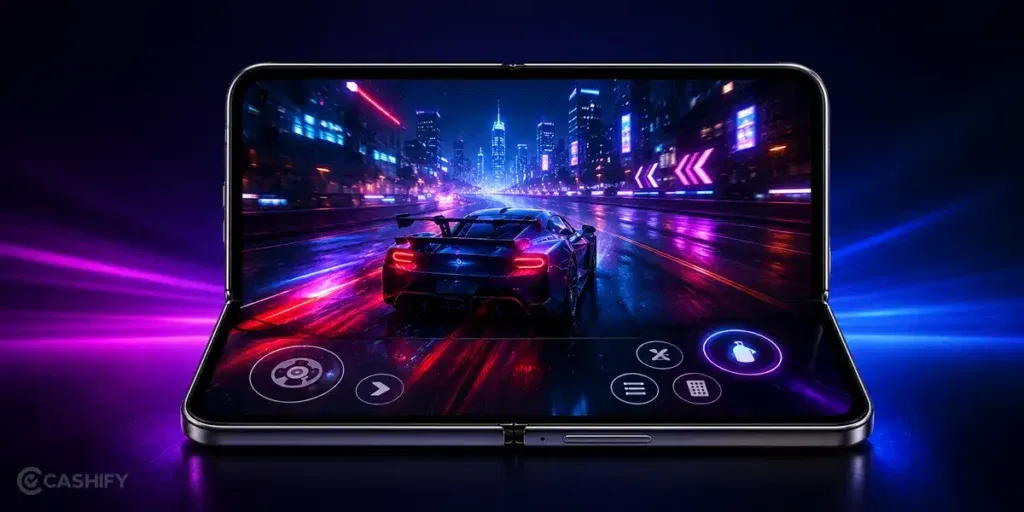
- Foldable gaming layout
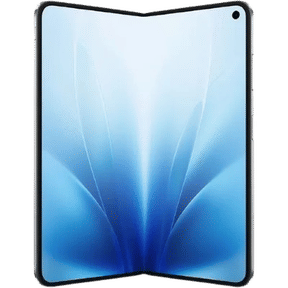
On foldable phones like the Pixel Fold, Pixel 9 Pro Fold, and Pixel 10 Pro Fold, Android 17 can split the inner screen 50/50. It puts the game (screen) on top and a responsive on-screen gamepad below it.
- Tighter contact and location sharing
Apps can now be given access to just a few contacts instead of your entire address book. You can hand over your exact location for a single session instead of permanently.
- Advanced Protection Mode
A stricter, opt-in security mode that blocks unofficial accessibility tools from misusing system APIs. It is useful if you’ve ever sideloaded apps.
- Deeper Gemini integration
Gemini Intelligence is built further into the OS for voice-driven tasks, and Google’s newer Pixel features (like conversational photo editing and expanded Quick Share/AirDrop compatibility) are rolling out alongside it.
Of course, every feature doesn’t reach every phone at once. Some, like the foldable gaming mode, are explicitly planned as follow-up rollouts rather than day-one features.
Google Pixel Android 17 Eligible Devices
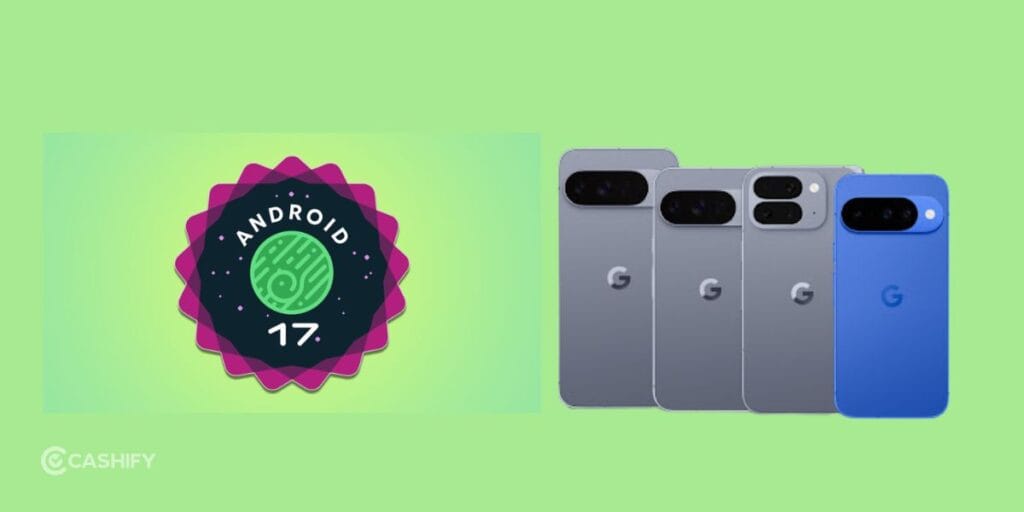
Google Pixel devices usually receive Android updates first. Pixel phones also get the longest and fastest software support directly from Google. Here’s the list of the Android 17 eligible Google Pixel devices:
- Google Pixel 10 Pro
- Google Pixel 10
- Google Pixel 9 Pro
- Google Pixel 9
- Google Pixel 8 Pro
- Google Pixel 8
- Google Pixel 7 Pro
- Google Pixel 7
- Google Pixel 6 Pro
- Google Pixel 6
- Google Pixel Fold
- Google Pixel Tablet
Google Pixel phones are expected to receive Android 17 first through beta and stable rollout programs.
Also Read: iOS 26.5 New Features: Everything You Need To Know Before Updating Your iPhone
Samsung Android 17 Eligible Devices
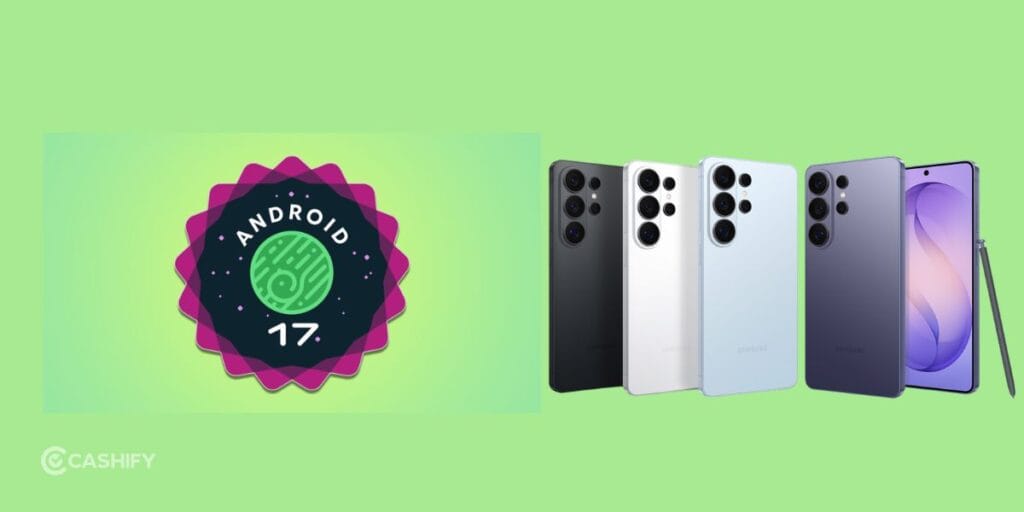
Samsung currently offers one of the best Android software update policies in the smartphone market. Henceforth, most recent flagship and premium mid-range Galaxy phones are expected to receive Android 17 with One UI 9.
Here’s the list of the Android 17 eligible Samsung devices:
| Category | Android 17 Eligible Samsung Devices |
| Galaxy S Series | Samsung Galaxy S26 Ultra, Samsung Galaxy S25 Ultra, Samsung Galaxy S24 Ultra, Samsung Galaxy S23 Ultra, Samsung Galaxy S25+, Samsung Galaxy S24+, Samsung Galaxy S24 FE |
| Foldable Devices | Samsung Galaxy Z Fold 7, Samsung Galaxy Z Fold 6, Samsung Galaxy Z Fold 5, Samsung Galaxy Z Flip 7, Samsung Galaxy Z Flip 6, Samsung Galaxy Z Flip 5 |
| Mid-Range Devices | Samsung Galaxy A56, Samsung Galaxy A55, Samsung Galaxy A36, Samsung Galaxy A35 |
One UI 9 Has Already Launched – Check the Real Timeline
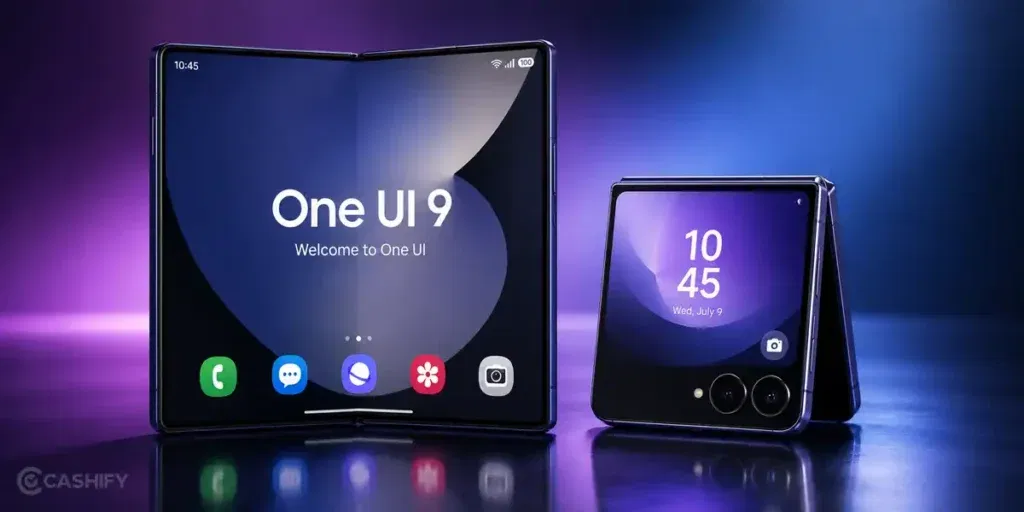
Samsung’s Android 17 update is no more “expected update either. One UI 9 went stable on July 22, 2026, and it launched preinstalled on Samsung’s newest foldables: the Galaxy Z Fold 8, Galaxy Z Fold 8 Ultra, and Galaxy Z Flip 8. That means the Fold 8 and Flip 8 are the actual reference devices for this Android 17-based update.
From there, the rollout is moving outward in Samsung’s usual order: the Galaxy S26 series is next in line, with Samsung pointing to late August or early September 2026 for its stable build (Samsung had already been running a public S26 beta since May).
After that, expect the Galaxy Z Fold 7 and Z Flip 7, followed by the S25 and S24 series, older flagships, and finally the wider Galaxy A-series and Tab lineup over the following months.
If you own a Galaxy S23 or older flagship, or a budget A-series phone, One UI 9 should still reach you. Samsung has stuck to its multi-year update promise so far but expect it later in the queue, likely toward the end of 2026 or into early 2027.
OnePlus Android 17 Eligible Devices
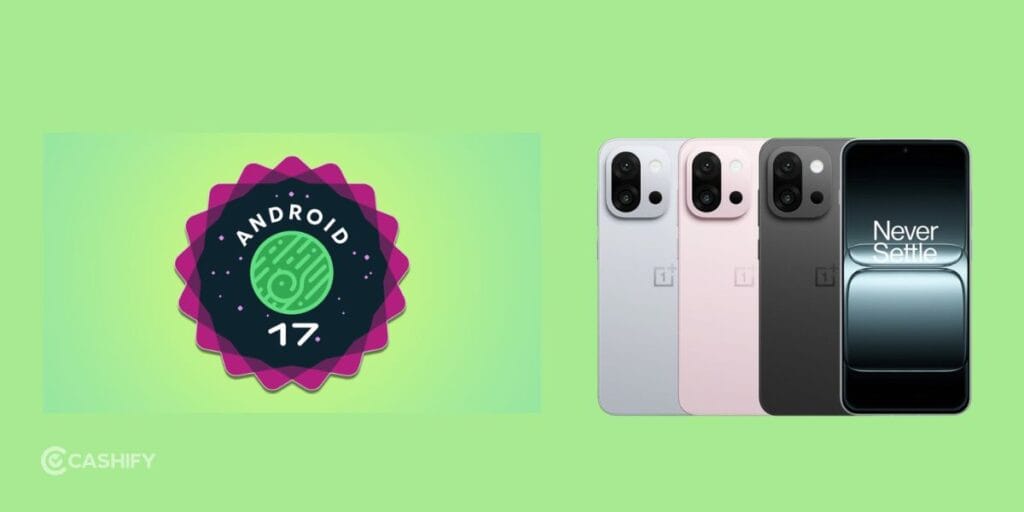
OnePlus has improved its update policy significantly in recent years. Many newer OnePlus devices are expected to receive Android 17 with OxygenOS updates.
- OnePlus 15
- OnePlus 13
- OnePlus 12
- OnePlus 11
- OnePlus Nord 5
- OnePlus Nord CE 5
- OnePlus Nord 6
- OnePlus Nord 6 CE
- OnePlus Nord 6 CE Lite
- OnePlus N6
Xiaomi Android 17 Eligible Devices
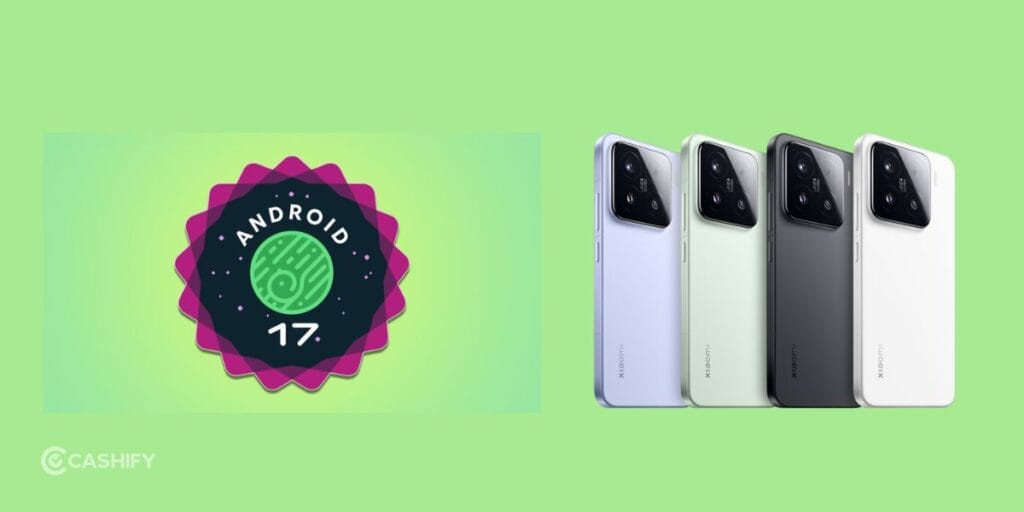
Xiaomi is expected to release Android 17 with newer HyperOS updates for flagship and mid-range smartphones. Check the list of the Android 17 eligible Xiaomi devices:
| Category | Android 17 Eligible Devices |
| Xiaomi Devices | Xiaomi 15 Ultra, Xiaomi 15, Xiaomi 14 Ultra, Xiaomi 14 |
| Redmi Devices | Redmi K70 Ultra, Redmi Note 15 Pro+, Redmi Note 15 Pro, Redmi Note 15 |
| POCO Devices | POCO F7 Ultra, POCO F7, POCO X7 Pro, POCO X7 |
Also Read: Vivo X300 Ultra Vs Samsung Galaxy S26 Ultra: Which Is Better?
Motorola Android 17 Eligible Devices
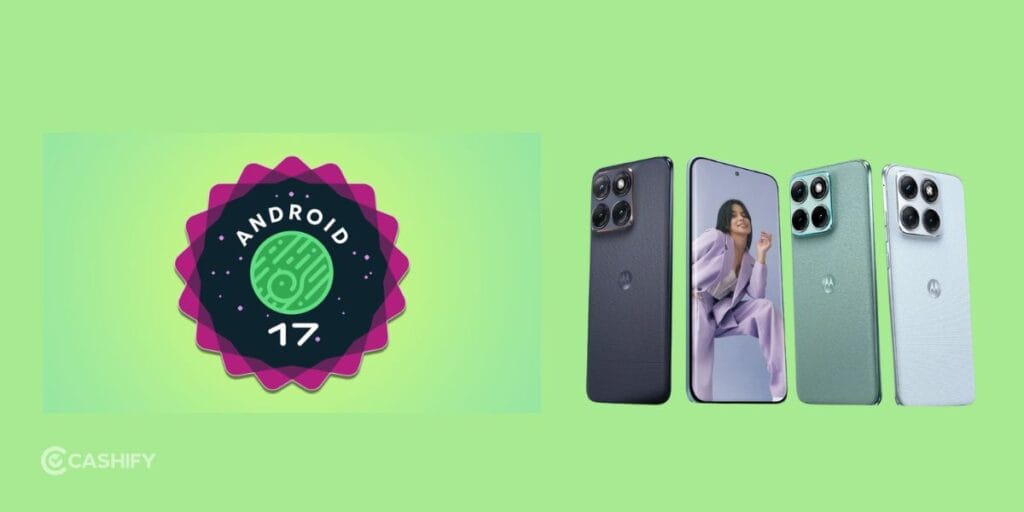
Motorola has become more consistent with software updates, especially for Edge series devices. Here, have a look at the list of the Android 17 eligible Motorola devices:
- Motorola Edge 70 Ultra
- Motorola Edge 70
- Motorola Edge 60 Fusion
- Moto G86
- Moto G86 Power
Nothing Android 17 Eligible Devices
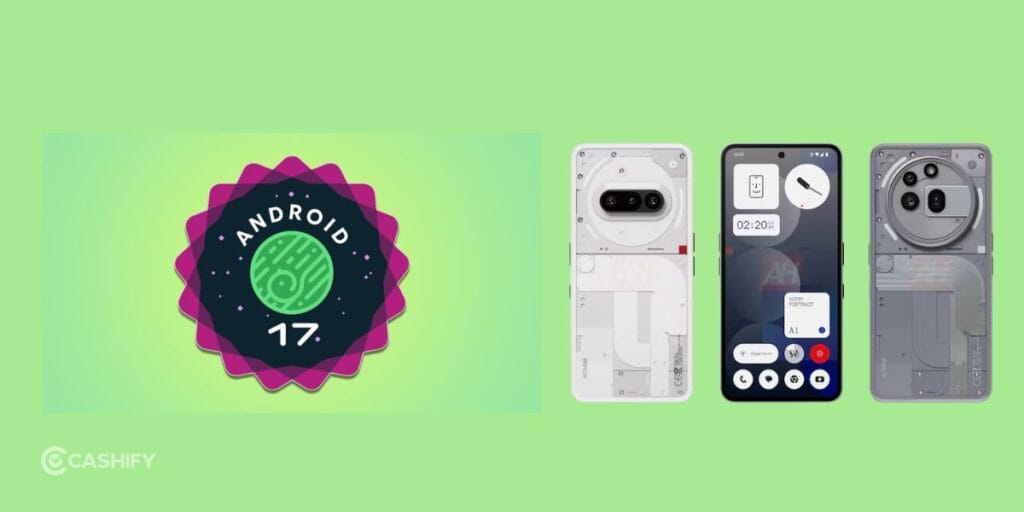
Nothing smartphones are expected to receive Android 17 alongside Nothing OS updates.
- Nothing Phone (3)
- Nothing Phone (2)
- CMF Phone 2 Pro
Vivo Android 17 Eligible Devices
Now, coming to Vivo phones’ list of eligible devices for Android 17. Vivo is yet to reveal the official listing; however, based on speculative online reports, we bring you the list of all Vivo devices eligible for Android 17:
- Vivo X Series: Expected models include the X300 lineup (X300, X300 Pro, X300 Ultra, X300 FE) and X200 series (X200, X200 Pro, X200 FE, X200T), along with the X100 and X100 Pro.
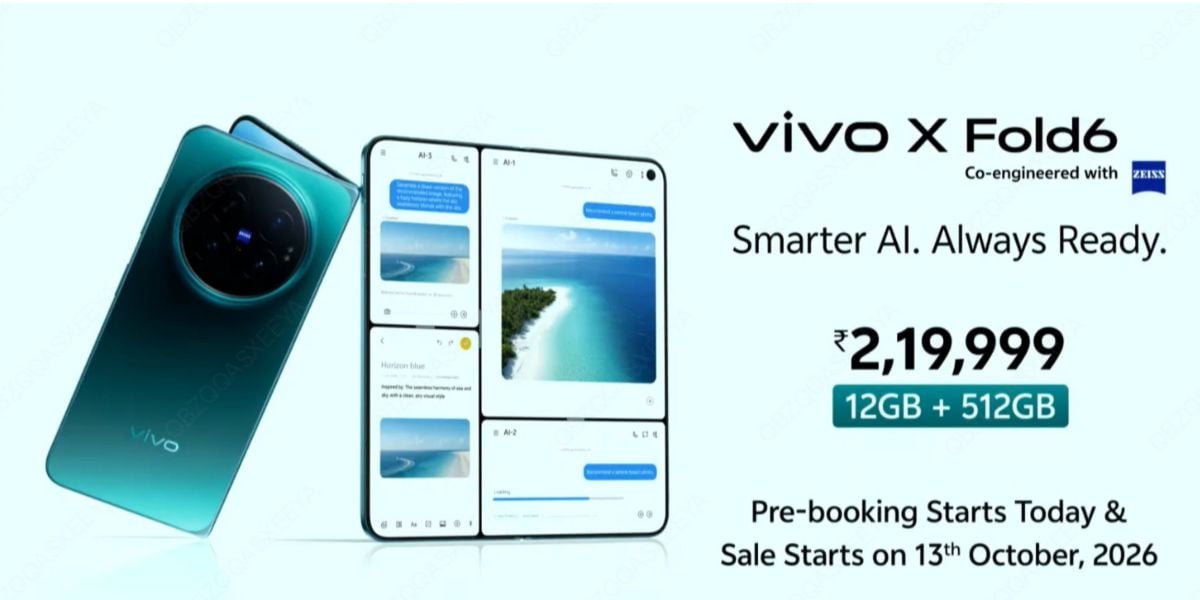
- Foldables: Vivo X Fold5 and X Fold6 are likely to receive Android 17.
- V Series: Eligible devices are expected to include the V70, V70 Elite, V70 FE, V60 series, V50 series, and V40 duo.
- T Series: The T5 lineup and T4 series, including T4 Ultra, T4 Lite, T4x, and T4R, are expected to qualify.
- Y Series: Selected Y400, Y300, Y51, Y31d, Y21, Y11, and Y05 models are also expected to receive the update.
Other Android 17 Eligible Brands
Several additional brands like Oppo, Vivo, iQOO, Realme, Sony, Honor, Asus, etc. are expected to release Android 17 updates for newer smartphones.
Additionally, most flagship devices launched in 2025 and 2026 from these brands are expected to qualify for Android 17.
Devices That May Not Get Android 17
Some older smartphones may not be eligible for Android 17 because software support periods have ended.
- Older Samsung Galaxy S21 models
- Older OnePlus 10 series
- Xiaomi 12 series
- Pixel 5a
- Pixel 4a
If your device is more than four to five years old, there is a higher chance it may not receive major Android updates anymore.
Worth calling out: a few phones on the “eligible” side of this list are getting Android 17 as their last major update, not just another year of support. Google extended the Pixel 6, Pixel 6 Pro, and Pixel 6a with two bonus years of updates beyond their original promise.
However, Android 17 is where that extension runs out. If you’re using one of these three phones, this update is worth installing, but it’s also a natural point to start planning your next upgrade.
Also Read: Motorola Razr 70 Ultra Vs Samsung Galaxy Flip7: Best Flip Phone 2026?
Why Android 17 Matters?
Android updates are important because they improve:
- Device security
- Battery optimization
- App compatibility
- Performance stability
- Privacy protection
- Gaming performance
- AI features
Phones with longer software support also maintain better resale value in the long run.
How To Check Android 17 Eligibility?
You can easily check if your device is eligible.
- Open Settings.
- Go to Software Update.
- Check Update Policy.
- Visit Your Brand’s Official Website.
- Look For Android 17 Beta Announcements.
You can also search for your exact phone model online along with “Android 17 update.”
Expected Android 17 Rollout Timeline
Most brands are expected to begin Android 17 rollout after Google officially launches the stable version.
| Brand | Expected Rollout |
| Google Pixel | Mid 2026 |
| Samsung | Late 2026 |
| OnePlus | Late 2026 |
| Xiaomi | Late 2026 |
| Motorola | Early 2027 |
| Other Brands | Early 2027 |
Should You Upgrade To Android 17?
If you have an Android 17 eligible device, upgrading is highly recommended. Like every major Android release, Android 17 brings a combination of new features, security enhancements, performance improvements, and bug fixes that can make your device feel more polished and reliable.
One of the biggest reasons to update is security. Android 17 includes the latest security patches and privacy improvements designed to better protect your personal data. You will also benefit from performance optimisations that can improve app responsiveness, battery efficiency, and overall system stability.
In addition, Android 17 introduces several AI-powered features and usability improvements that make everyday tasks more convenient. While some advanced features may be limited to newer devices, most eligible phones will still receive the core Android 17 experience.
If you own an Android 17 eligible device, it’s worth installing the update once the stable version becomes available for your phone. Just remember to back up your important data before updating to avoid any unexpected issues.
Why Some Phones Don’t Get Android Updates?
Not all smartphones receive the latest Android updates and there are several reasons behind this:
- Hardware limitations: Older processors, low RAM, and outdated chipsets may not support new Android features smoothly.
- Software support policy: Most brands offer only 2-4 years of major Android updates, after which support ends.
- Performance issues: New Android versions can cause lag, overheating, or battery drain on older devices.
- Cost and resources: Companies focus on newer models instead of maintaining updates for many older devices.
- Battery and optimization limits: Older phones may not handle new system optimizations efficiently.
- End of update cycle: Once a device completes its promised update period, it stops receiving major Android upgrades (but may still get security patches).
Final Thoughts
That’s all about the Android 17 eligible devices list. Android 17 is expected to bring major improvements in AI, security, battery optimization, and customization. Additionally, if you own a recent flagship or premium mid-range smartphone, there is a strong chance your device may receive the update.
Google Pixel devices will likely receive Android 17 first, followed by Samsung, OnePlus, Xiaomi, Motorola, and other brands. However, the final rollout will depend on each company’s software support policy and testing schedule.
Before buying your next smartphone, checking long-term Android update support can help you enjoy newer features, better security, and improved resale value for a longer period.
Also Read: Google Pixel 11 Pro, Pro XL Launch Date, Price And Specs
Frequently Asked Questions
1. Which phones will get Android 17 first?
Google Pixel smartphones usually receive Android updates first. Pixel 6 and newer devices are expected to get Android 17 before other brands start their rollout programs later in 2026.
2. Will Samsung phones receive Android 17?
Yes, many Samsung flagship and mid-range devices are expected to receive Android 17 with One UI 9, including Galaxy S24, S25, foldable Z series, and newer Galaxy A series smartphones.
3. Can older Android phones get Android 17?
Older phones may not receive Android 17 if their software support period has ended. Most brands provide major Android updates for three to seven years depending on the device category.
4. When will Android 17 officially launch?
Android 17 is no longer an upcoming update. Google released the stable version on June 16, 2026, and it’s been rolling out to eligible phones since. Google Pixel devices will receive the update first, followed by Samsung, Xiaomi, OnePlus, and other smartphone brands.
5. Why are Android updates important?
Android updates improve device security, battery life, app compatibility, privacy protection, and overall performance. They also help smartphones stay updated with the latest features and maintain better long-term usability.
If you’ve just bought a new phone and don’t know what to do with your old phone, then here’s your answer. Sell old mobile to Cashify and get the best price for it. If you are planning to buy a new phone, check out Cashify’s refurbished mobile phones. You can get your favourite phone at almost half price with six-month warranty, 15 days refund and free delivery.