OPPO Reno 16c Price in India and Variants
The OPPO Reno 16c price in India starts at Rs. 46,999 for the 8GB RAM + 128GB storage variant. The 8GB RAM + 256GB storage model is priced at Rs. 49,999, while the top-end 12GB RAM + 256GB storage variant costs Rs. 55,999.
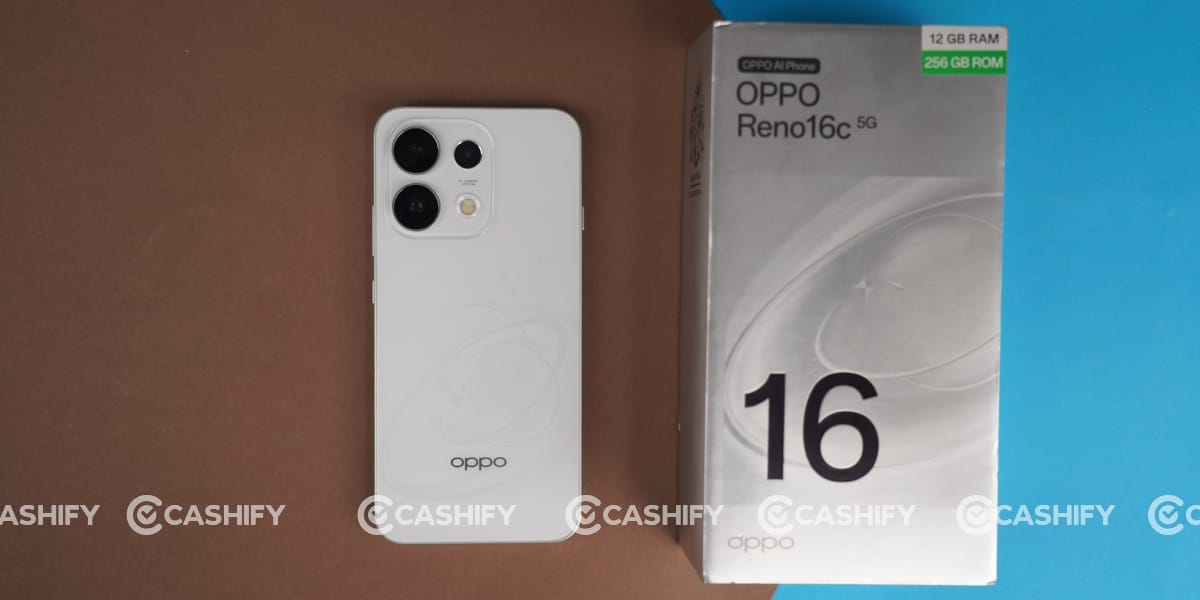
The smartphone is available in Starry White, Stellar Purple, and Twilight Violet colour options, with all three featuring OPPO’s signature 3D Pop Planet Design. You can buy the OPPO Reno 16c from the OPPO E-store, Amazon, Flipkart, and authorised offline retail stores across India.
Also Read: Samsung Galaxy Z Fold8 Ultra First Impressions: Slimmer, Smarter, But Is It Truly Ultra?
OPPO Reno 16c Box Contents
The OPPO Reno 16c packs the following items inside the box:
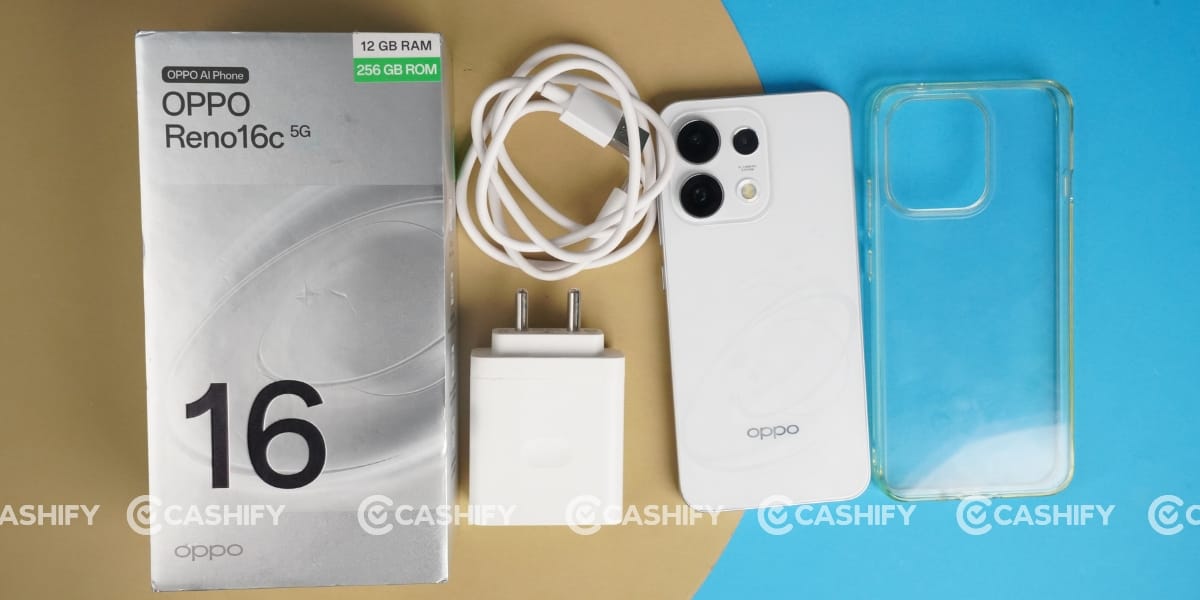
- Phone
- 80W Charger
- Type-C cable
- SIM ejector tool
- Protective cover
- Documentation
OPPO Reno 16c Specs at a glance
Before we talk in detail about the OPPO Reno 16c, let’s see what the on-paper specs look like:
- Display: 6.57 inches AMOLED screen
- Chipset: Unisoc T7250 (12 nm)
- RAM & ROM: 128GB 8GB RAM, 256GB 8GB RAM, 256GB 12GB RAM
- Software: Android 16 ColorOS 16
- Rear camera: 50MP, 50MP, 8MP
- Selfie camera: 50MP
- Battery: 7000mAh
- Weight: 195 grams
- Dimensions: 158.2 x 74.9 x 8.4 mm or 8.6 mm
OPPO Reno 16c Design and Build
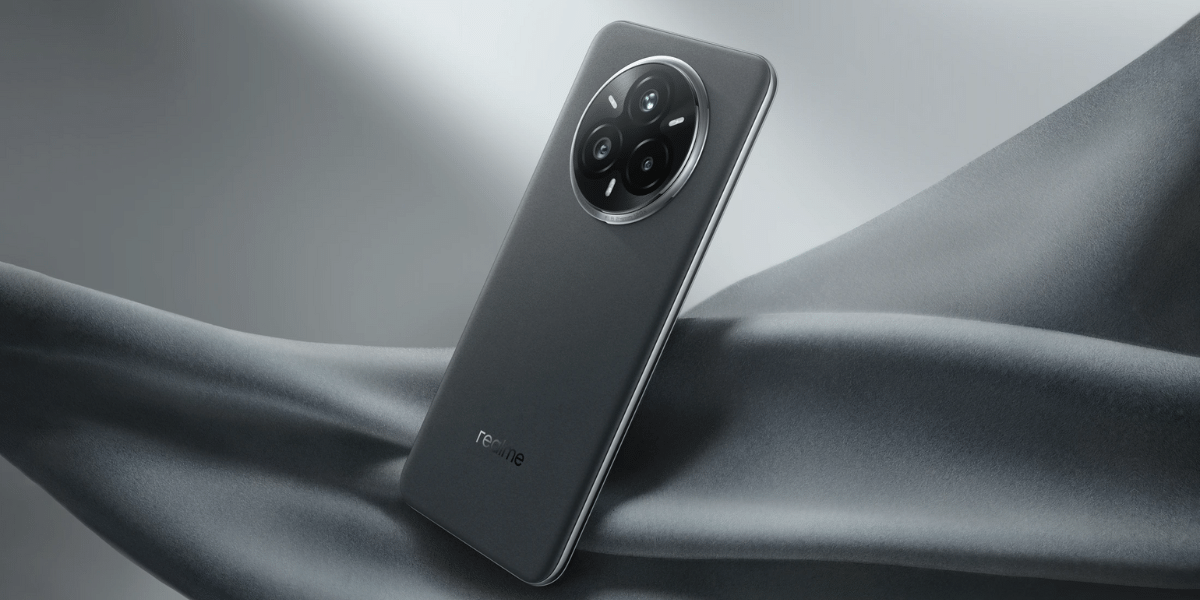
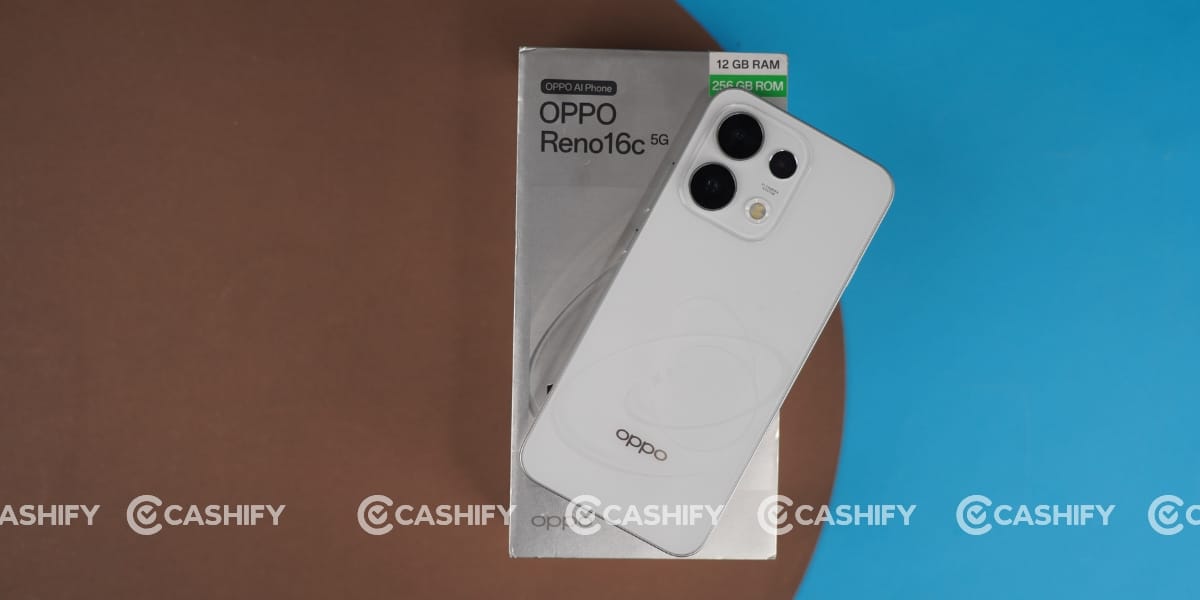
The OPPO Reno 16c comes with an amazing design that I have never experienced on any phone before. OPPO has added a unique 3D effect to the back panel that looks like a planet with stars popping out of it. The brand calls it the Pop Planet 3D design (also referred to as the 3D Pop Planet design), which is built using HoloVerse 3D technology.
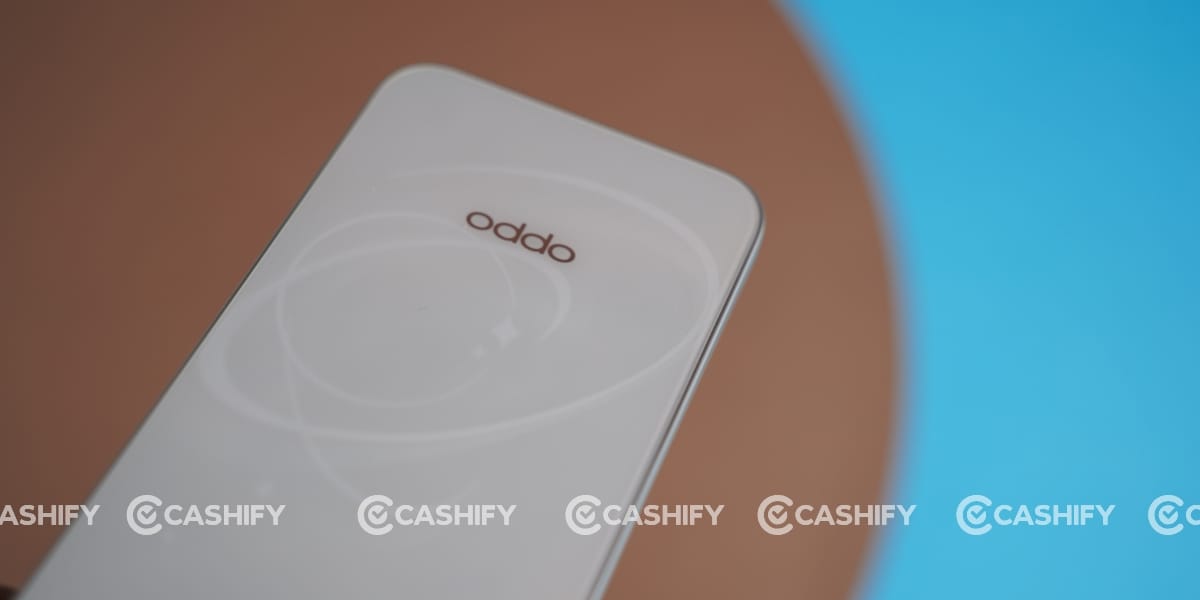
It creates a stunning 3D visual effect where the planet on the rear panel appears to float, shift, and cast a dynamic shadow as light moves across it. Honestly, the first time I saw it, I was tricked for a few moments into thinking the design was actually raised from the surface.
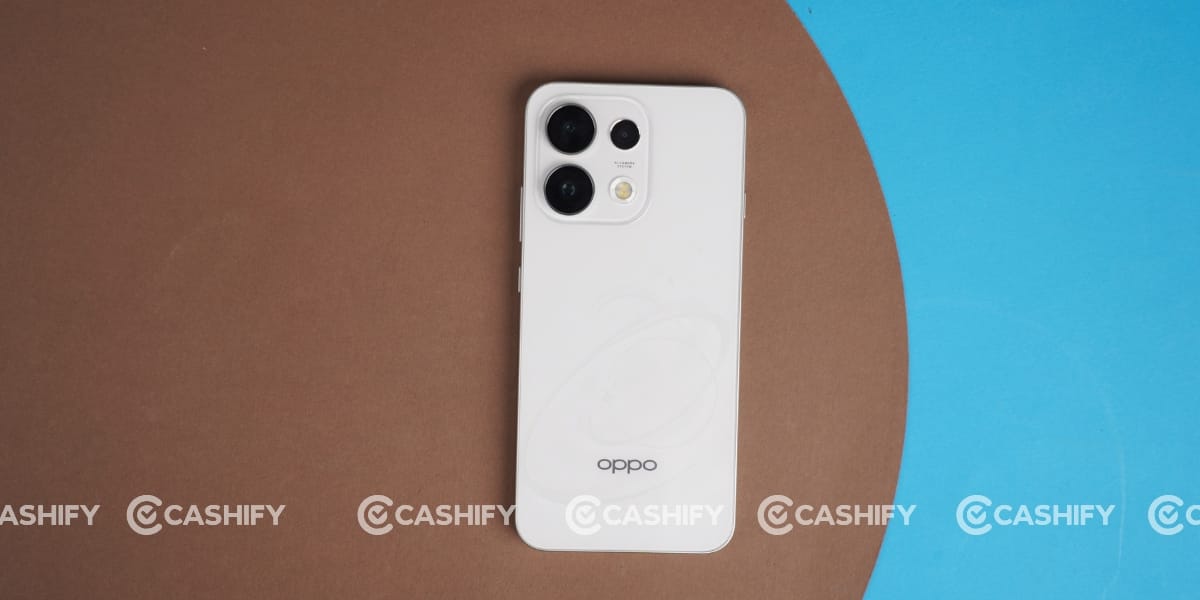
Apart from the back design, the in-hand experience was one of the best for me. It fits perfectly in a single hand despite its large display, thanks to its slim 8.6mm thickness and lightweight 195-gram body.
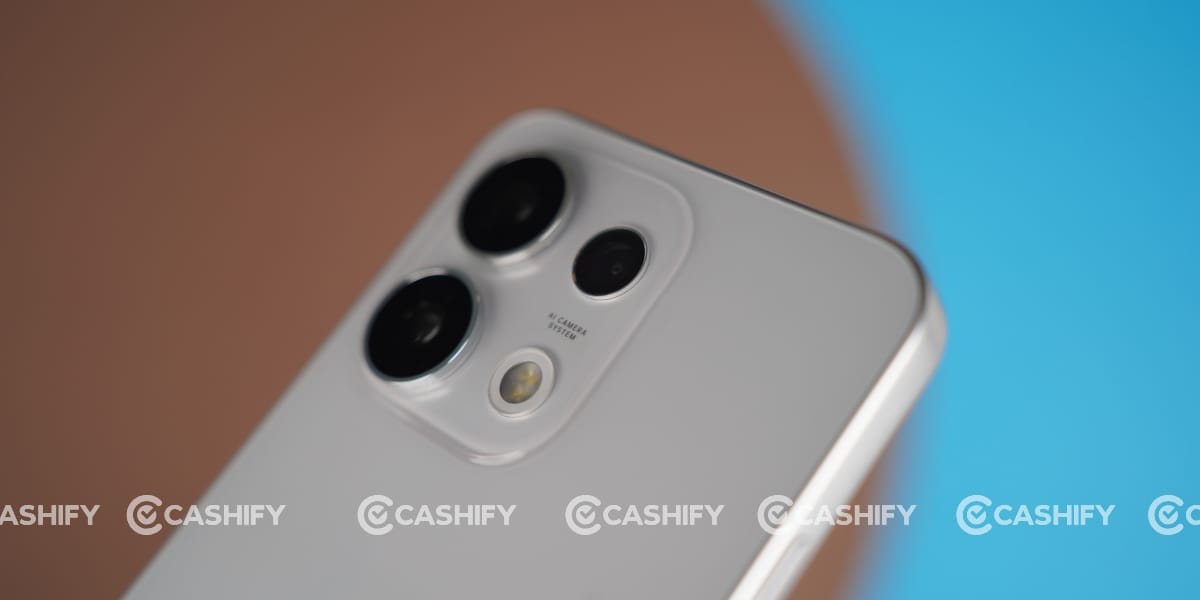
Just to be clear, the phone comes with a plastic frame and a plastic back panel. However, the front is protected by Crystal Guard glass, which adds extra durability.
The OPPO Reno 16c also comes with an IP68/IP69K rating for dust and water resistance. This means it can withstand high-pressure water jets and survive immersion in water up to 1.5 metres for 30 minutes, making it reliable for everyday use.
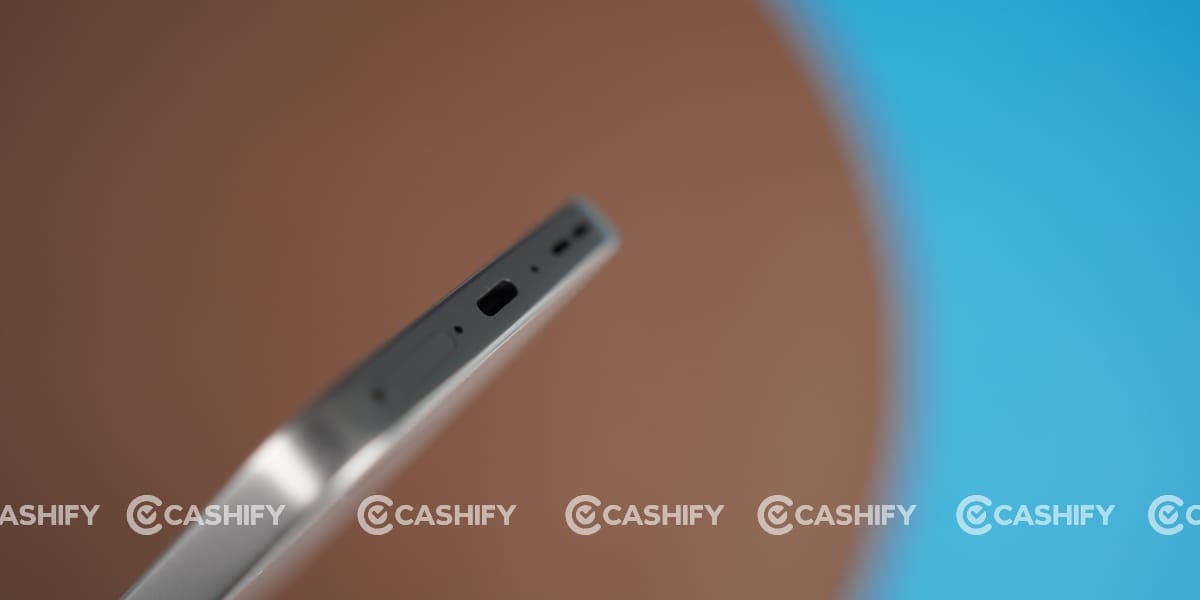
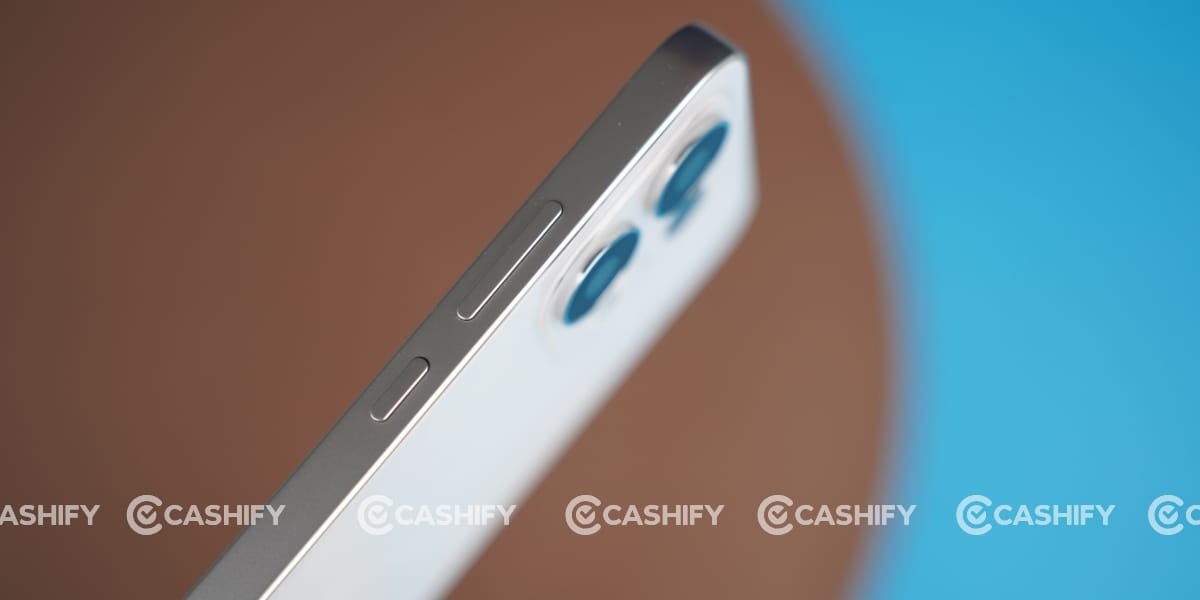
Talking about the ports, the right side houses the power button and volume rocker. At the bottom, you get a USB Type-C port, a loud enough speaker grille, a SIM tray, and the primary microphone.
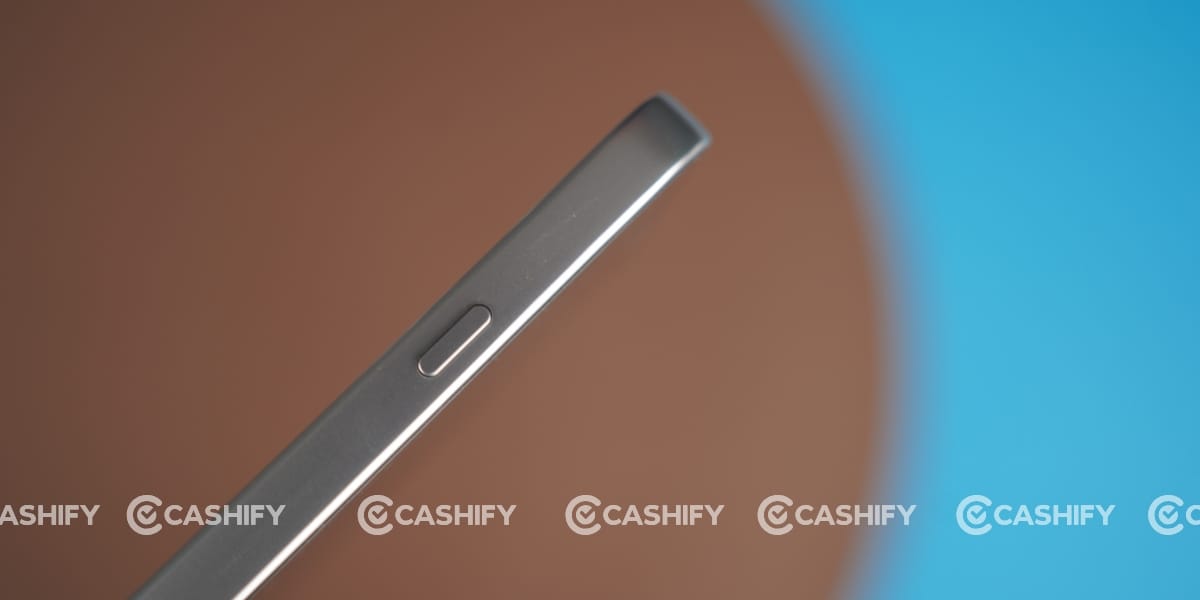
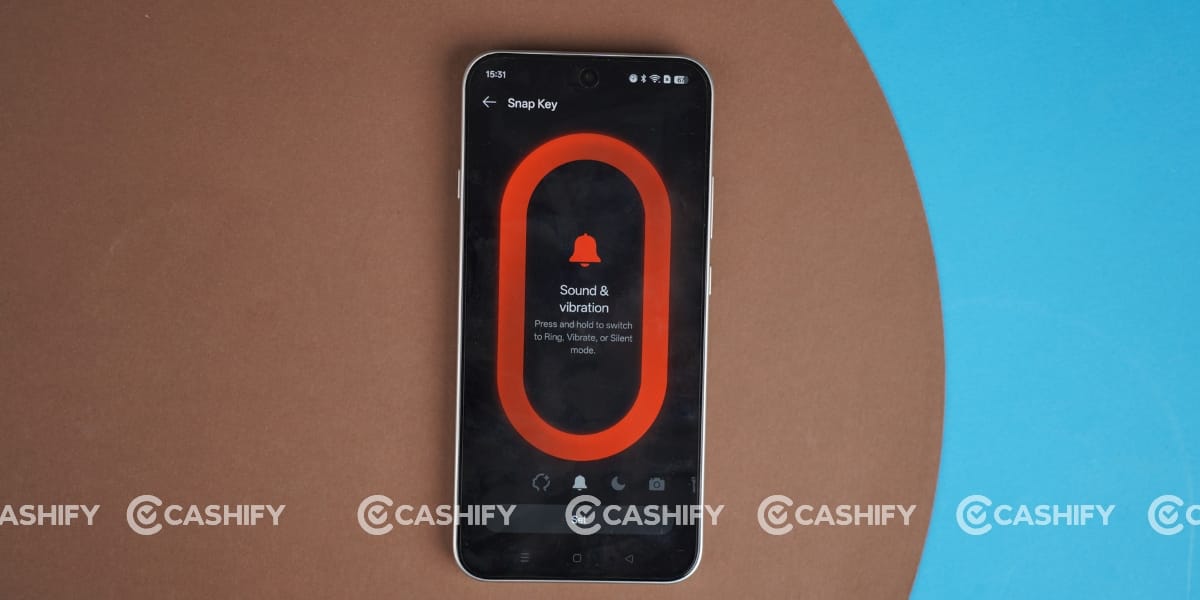
On the left side, OPPO added a customisable button called the Snap key, which can be set according to your usage. Overall, I really liked the OPPO Reno 16c’s design during review. From its unique rear panel to its comfortable in-hand feel, I enjoyed using it every time I picked it up.
OPPO Reno 16c Camera
The OPPO Reno 16c features a triple rear camera setup consisting of a 50MP primary, 50MP telephoto, and 8MP ultra-wide sensor. In my experience, the camera delivered impressive results most of the time. The images are vibrant, slightly saturated, and social media-ready straight out of the camera.
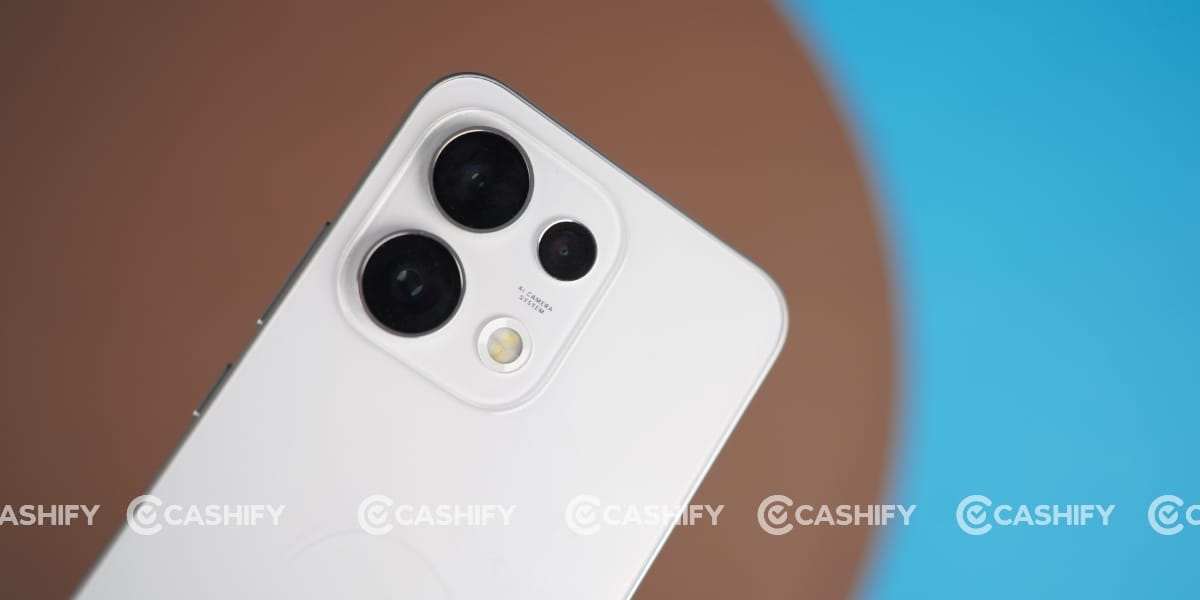
Whether I captured flowers or close-up shots with the primary sensor, the photos came out with rich colours, sharp edges, and a good dynamic range.
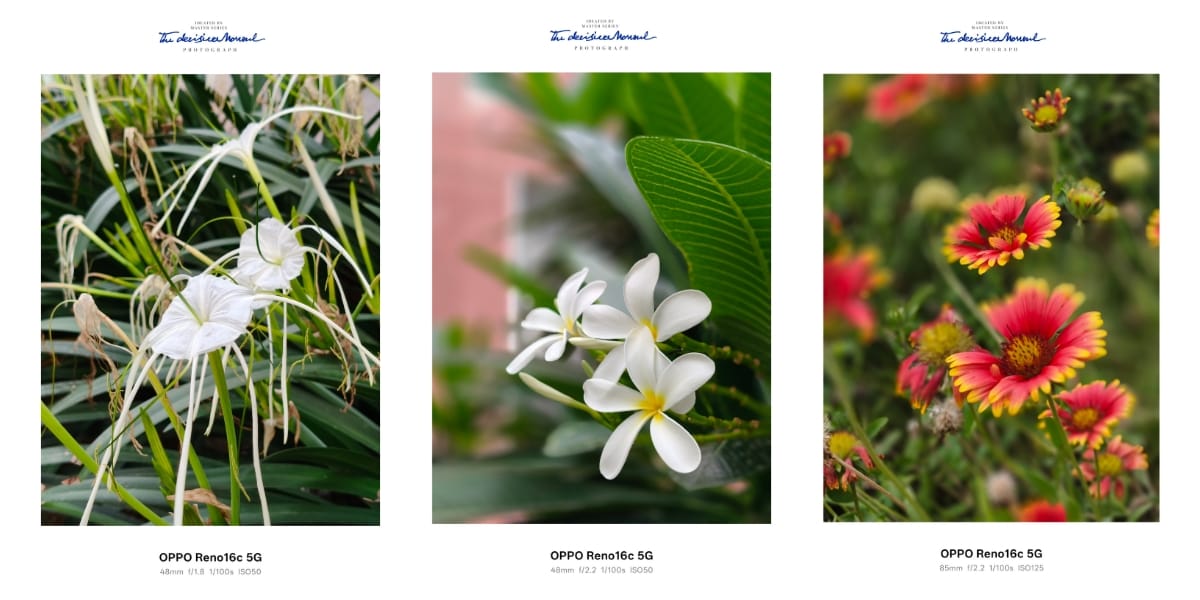
However, if you zoom into the final images, you will notice some pixelation and a slight lack of detail compared to flagship smartphones. I particularly noticed this because I was using the Samsung Galaxy S25 Ultra alongside the Reno 16c.
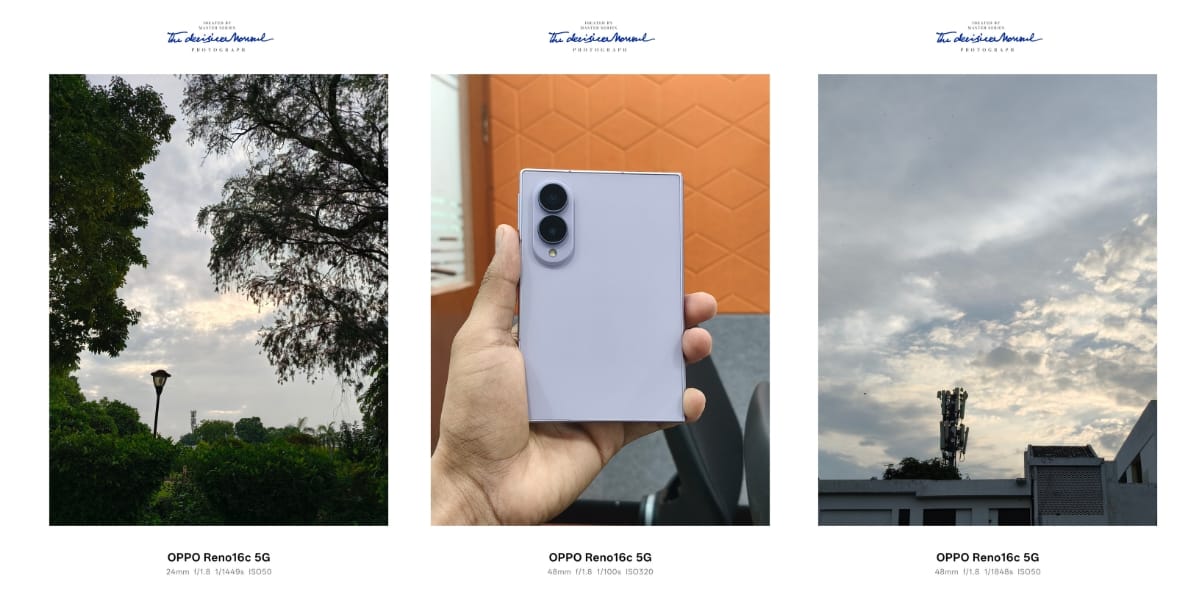
Despite that, I honestly found the OPPO Reno 16c’s photos to look more aesthetic and instantly shareable on social media, whereas the Galaxy S25 Ultra captures relatively more natural, raw-looking images.

Portrait photography is another strong area for the OPPO Reno 16c. I captured plenty of portrait shots, mostly at 2x zoom, and the results were consistently impressive. Edge detection was accurate, background separation looked natural, and the overall image quality was excellent. You can check the portrait samples I captured to see the results for yourself.
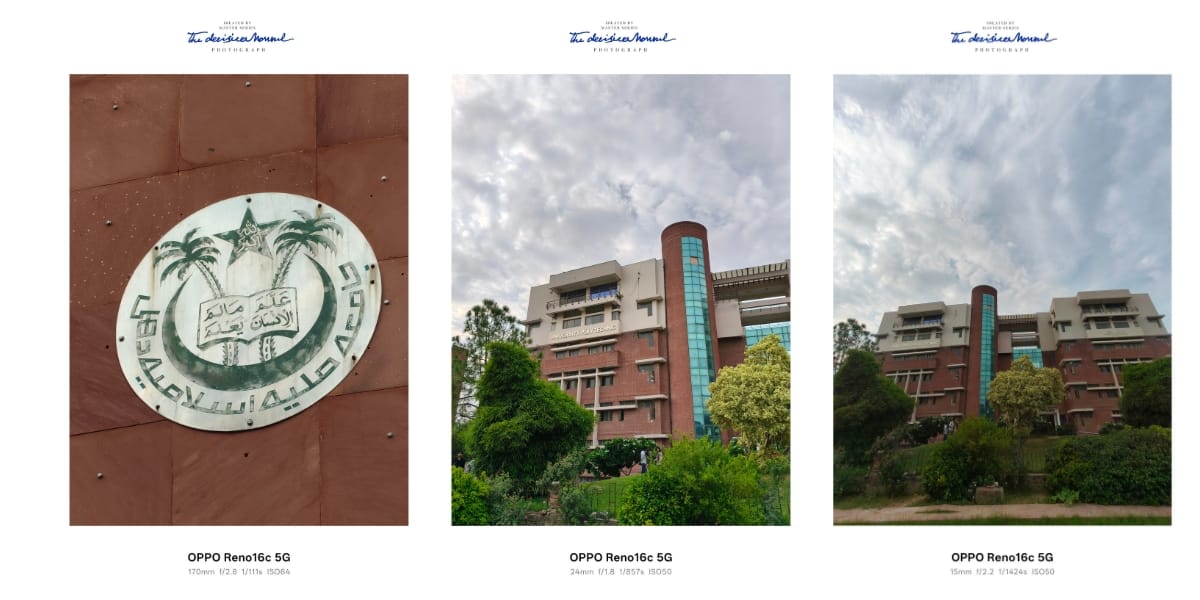
The 8MP ultra-wide camera also performs well despite its lower resolution. It captures decent details with pleasing colours, making it suitable for landscapes and group shots. Meanwhile, the 50MP telephoto camera offers 3.5x optical zoom, delivering sharp and detailed images at its native zoom level.
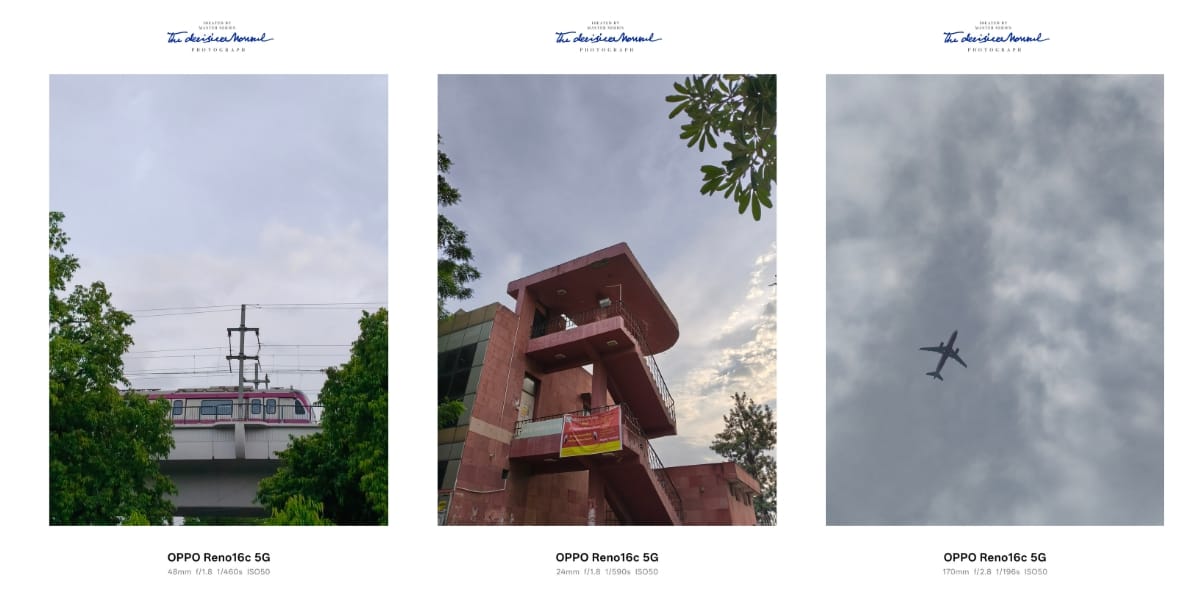
The phone also supports up to 18x digital zoom in standard shooting modes, while AI enhancements extend the zoom range up to 120x for distant subjects. I tried the higher zoom levels, but beyond the optical range, the results were only average and not something I would use in day-to-day photography.
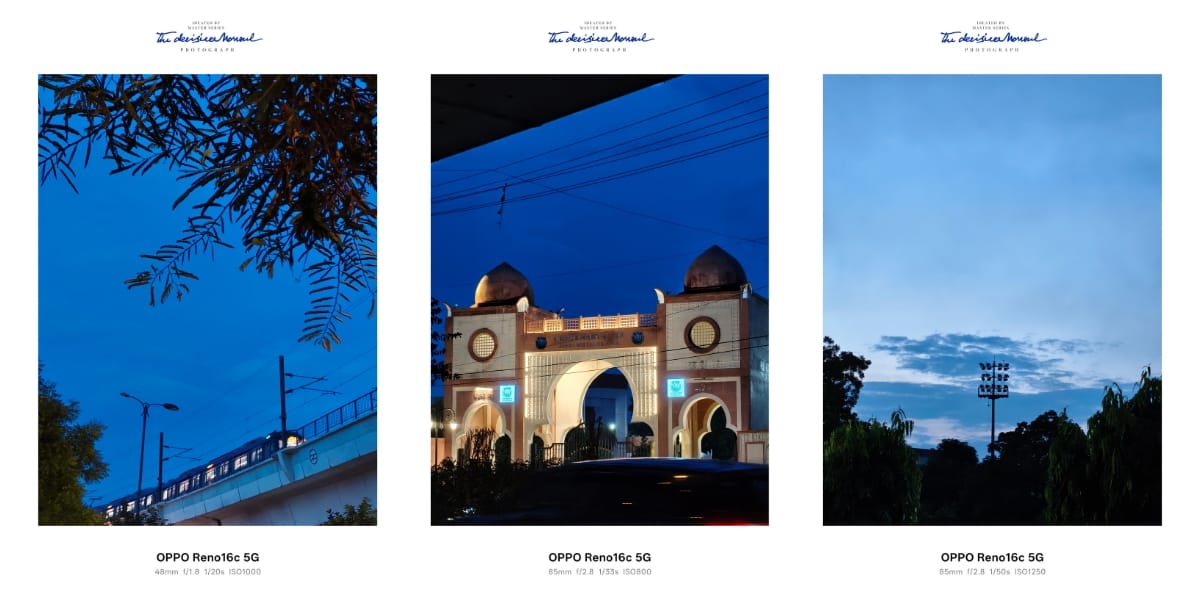
For selfies, the OPPO Reno 16c packs a 50MP front camera, and the overall image quality is good. One thing I noticed is that the Portrait mode produces better-looking selfies than the standard Photo mode, thanks to improved subject separation and a more pleasing overall look.

For videos, both the front and rear cameras support 4K recording at 30fps, delivering good detail and stable footage in daylight conditions.
OPPO Reno 16c Battery and Charging
The OPPO Reno 16c packs a massive 7,000mAh battery, and it was one of my favourite features during the review period. With moderate usage, I consistently achieved more than 12 hours of screen-on time. During OPPO Reno 16c review, I watched movies, streamed live cricket matches, browsed social media, and handled my daily tasks without worrying about the battery.
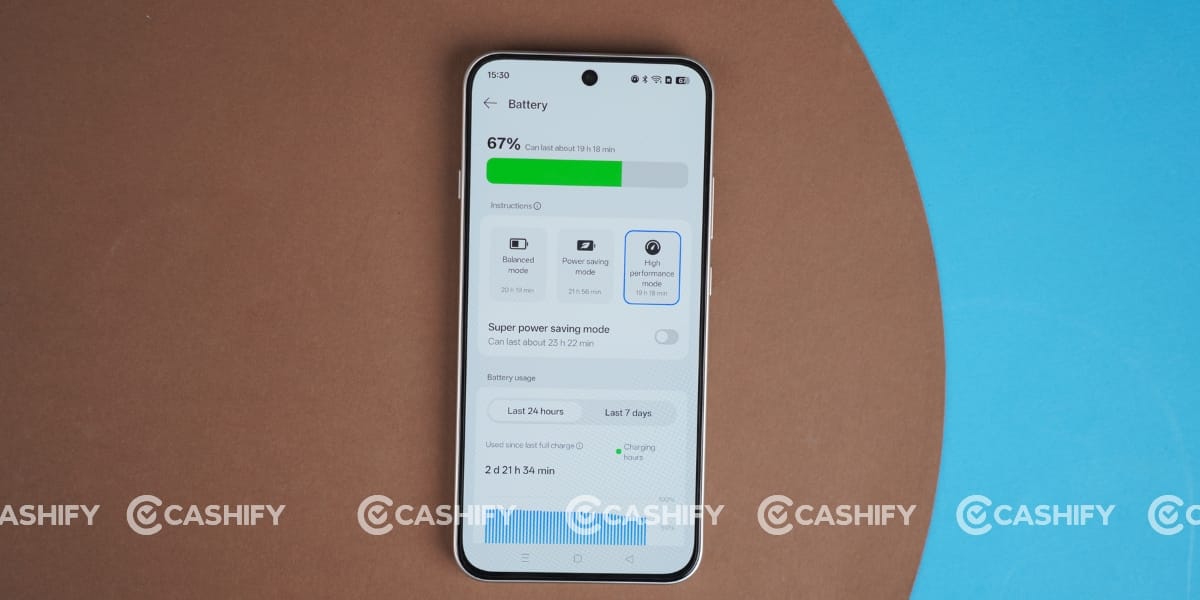
Gaming naturally consumed more power. During extended gaming sessions, I managed around 8.5 hours of screen-on time, which is still an impressive result for a smartphone. So, the battery life largely depends on your usage pattern, but for most users, the OPPO Reno 16c can comfortably last one to one and a half days on a single charge. Honestly, I never felt the need to keep looking for a charger like I often do with my Apple iPhone 15. LMAO.
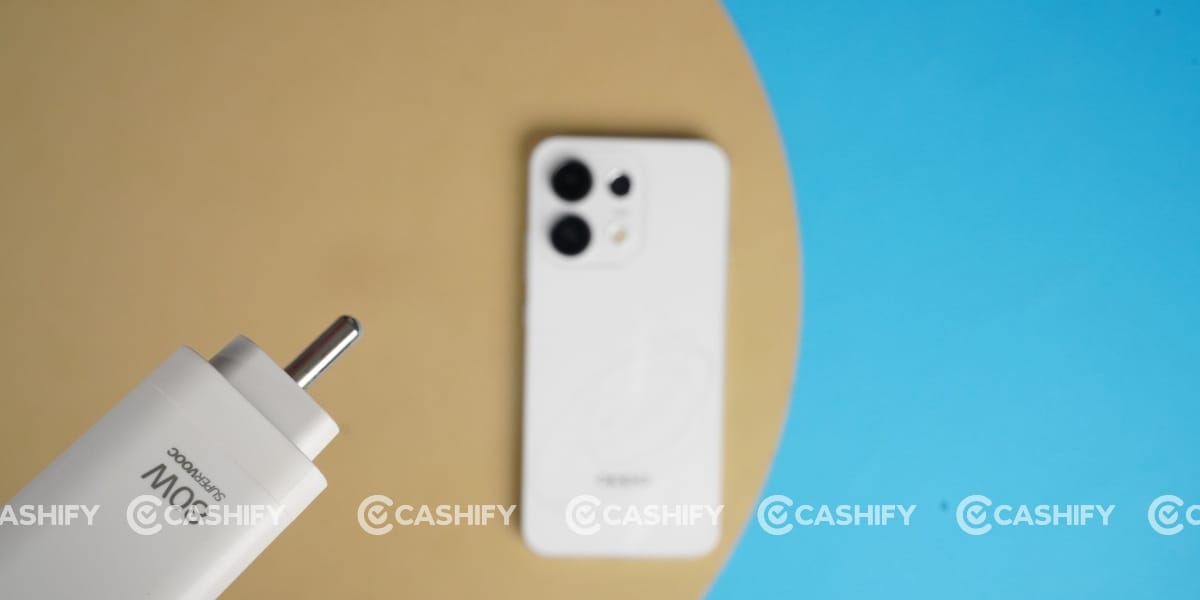
The phone also ships with an 80W SUPERVOOC fast charger in the box. Despite its huge battery, it can charge from 0 to 100 per cent in around 60 minutes, which I found quite reasonable. Additionally, it supports reverse wired charging, allowing you to charge accessories like wireless earbuds or other compatible devices using the phone.
OPPO Reno 16c Display
The OPPO Reno 16c features a 6.57-inch AMOLED display with HDR10+ support, making it an excellent panel for multimedia consumption. It offers a 1080 x 2372 pixels resolution with a pixel density of around 397ppi, ensuring that text, images, and videos appear sharp and detailed.
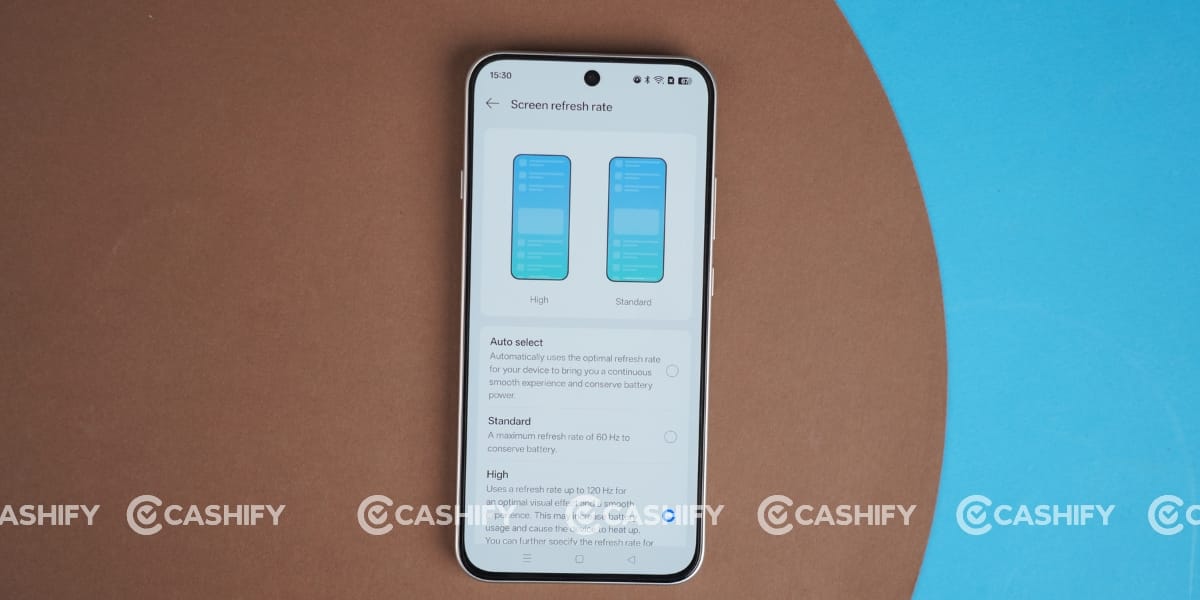
The display also supports 1 billion colours and a 120Hz refresh rate, which makes scrolling through social media, browsing the web, and navigating the UI feel incredibly smooth.
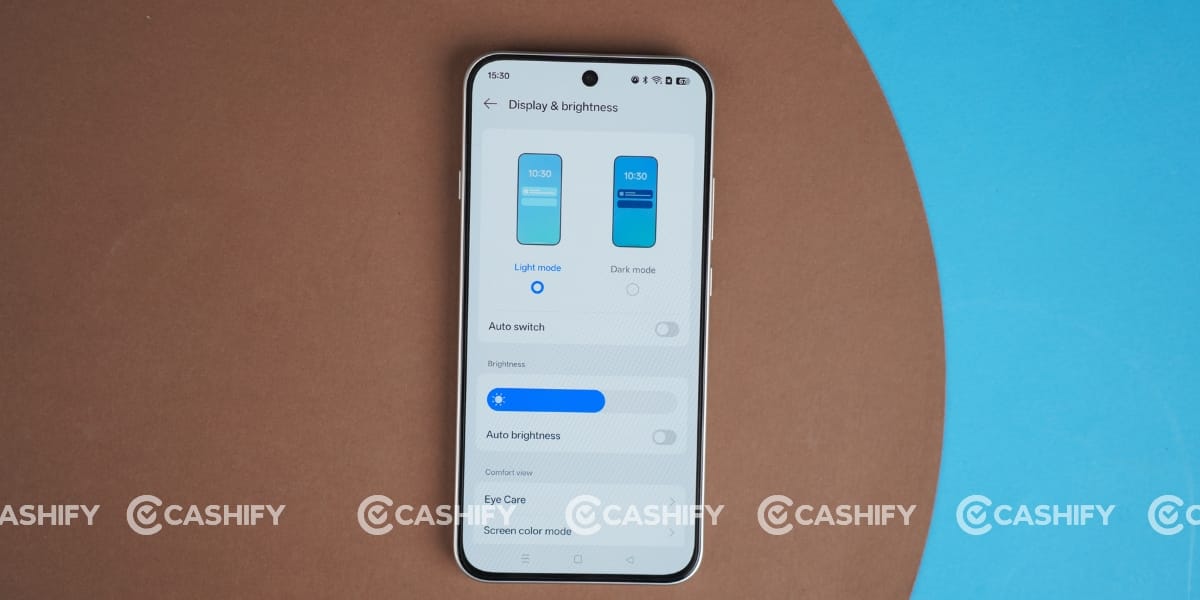
During my OPPO Reno 16c review, I watched several movies and live cricket matches, and the viewing experience was genuinely enjoyable. The AMOLED panel produces deep blacks, vibrant colours, and excellent contrast, making HDR-supported content look more immersive. Whether I was streaming on Netflix or watching YouTube, the visuals looked rich without appearing overly saturated.
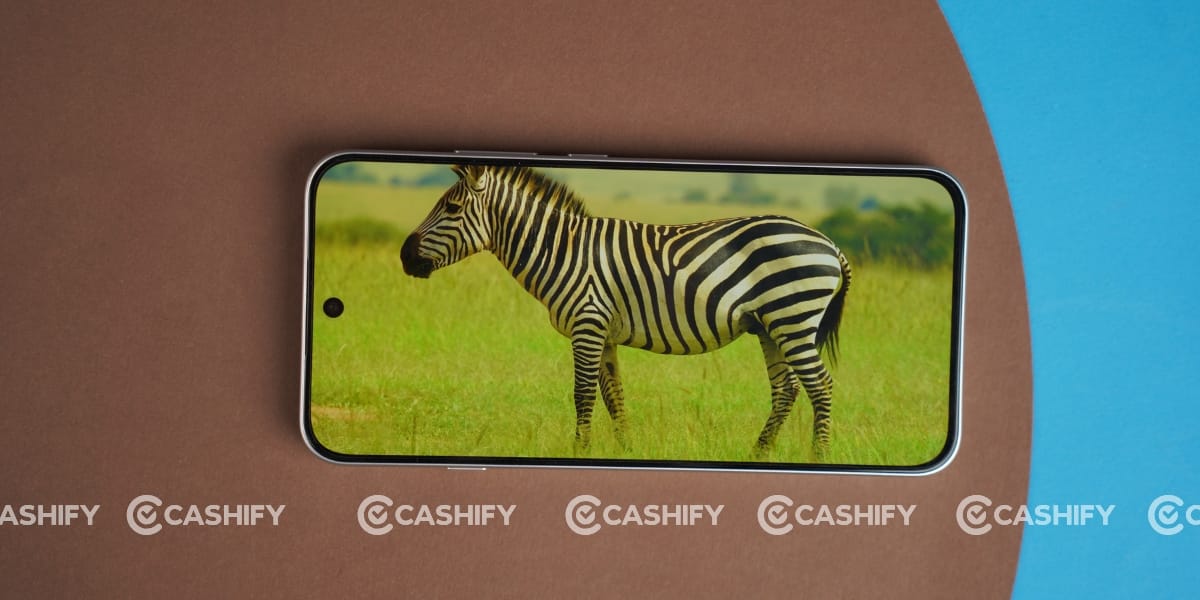
The display offers 600 nits of typical brightness and can reach up to 1,400 nits in High Brightness Mode (HBM). I had no issues using the phone outdoors, even under direct sunlight, as the screen remained bright and readable. The slim bezels and nearly 88.6% screen-to-body ratio further enhance the viewing experience by providing an immersive feel.
OPPO Reno 16c Performance
Performance of the segment where I loved the OPPO Reno 16c. This phone comes with the Mediatek Dimensity 7300 Energy (4 nm) chipset, offering smooth performance in daily usage. It delivers balanced performance and power efficiency.
Honestly, I never experienced any major performance issues in day-to-day usage. Whether it was switching between multiple apps, scrolling through social media, editing photos, or streaming videos, the phone remained smooth and responsive. However, OPPO should have added UFS 4.0-type storage instead of UFS 3.1; we might see some latency over time.
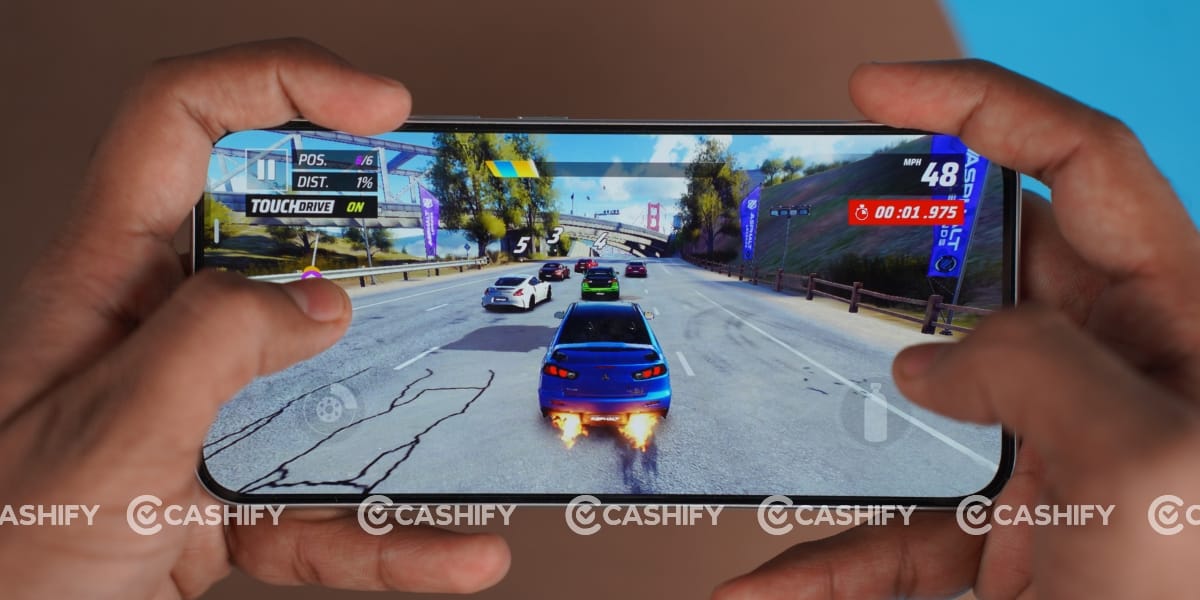
Gaming performance was also impressive for its segment. I played a lot of BGMI and Asphalt, and the phone handled it without noticeable lag or frame drops on recommended graphics settings. Even after extended gaming sessions, the device remained well-controlled in terms of heating, thanks to the efficient 4nm fabrication process.
Overall, the MediaTek Dimensity 7300 Energy is a capable mid-range processor that delivers reliable everyday performance while maintaining excellent power efficiency.
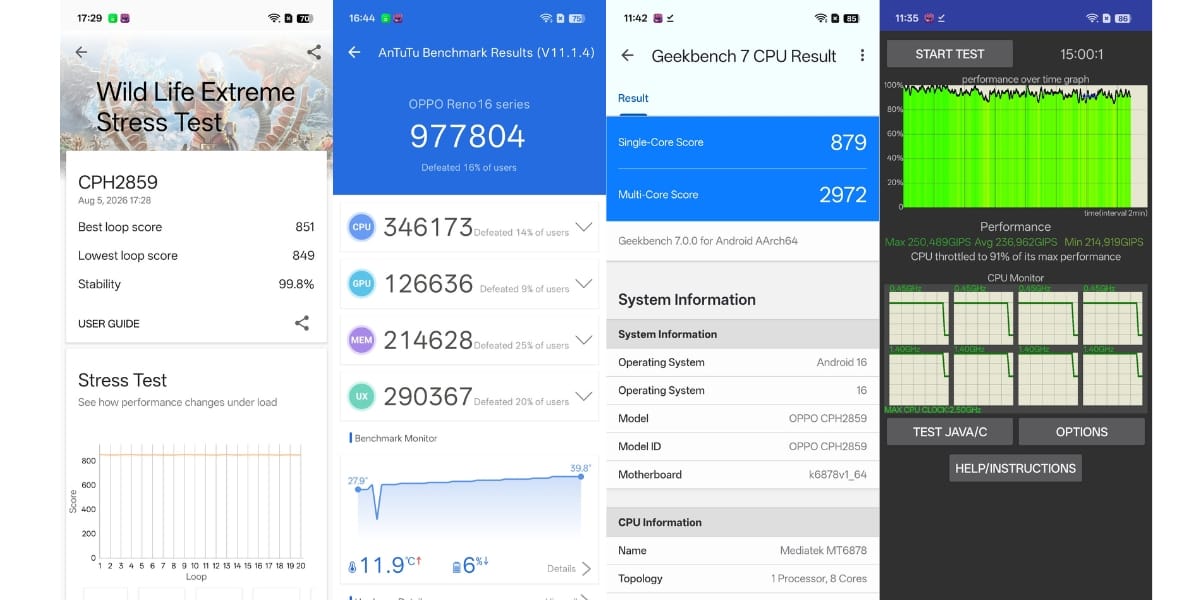
I also ran several Benchmark tests on the OPPO Reno 16c during review to assess its performance across different aspects. Its Geekbench scores are 879 in single-core and 2972 in multi-core. The maximum CPU throttling test score is 91%. Moreover, its Antutu score is 977804. The 3D Mark Wildlife Extreme Stress Test for stability has an overall score of 99.8%.
OPPO Reno 16c Software and UI
The OPPO Reno 16c runs on Android 16 with ColorOS 16 out of the box. OPPO has also promised five years of major Android updates and six years of security patches, which is excellent software support for a phone in this segment.
During my OPPO Reno 16c review, I enjoyed using ColorOS 16. The UI feels smooth, responsive, and offers plenty of customisation options.
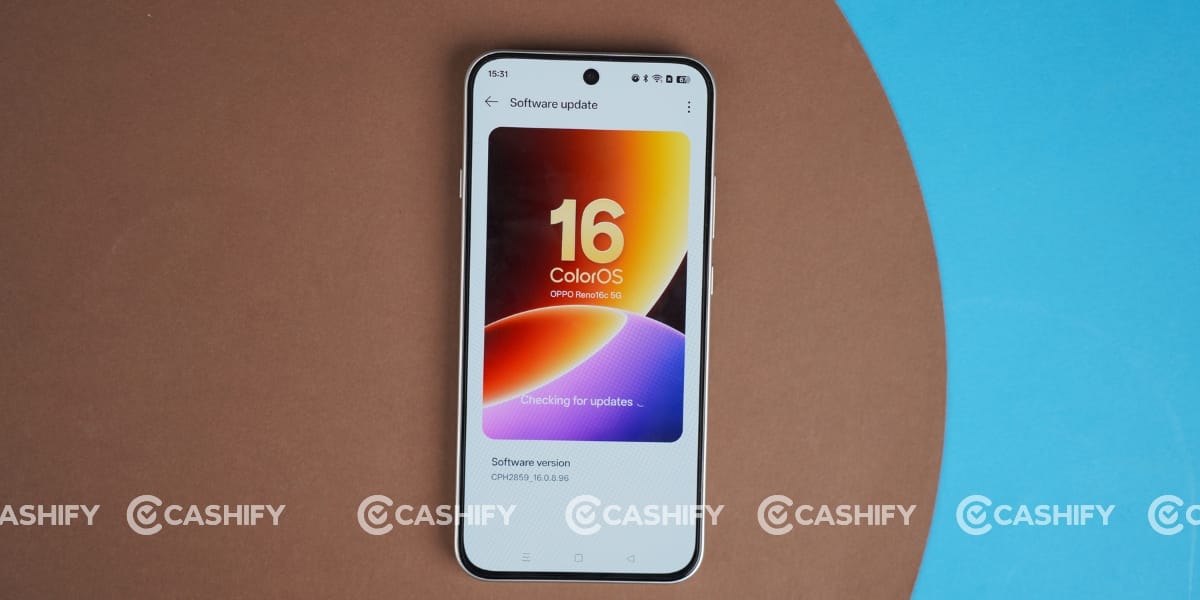
From the home screen and app drawer to the taskbar and Control Centre, you can personalise almost every aspect of the interface. It lets you freely resize app icons, create large folders, and use frosted-glass widgets that intelligently adjust their position around the clock widget.
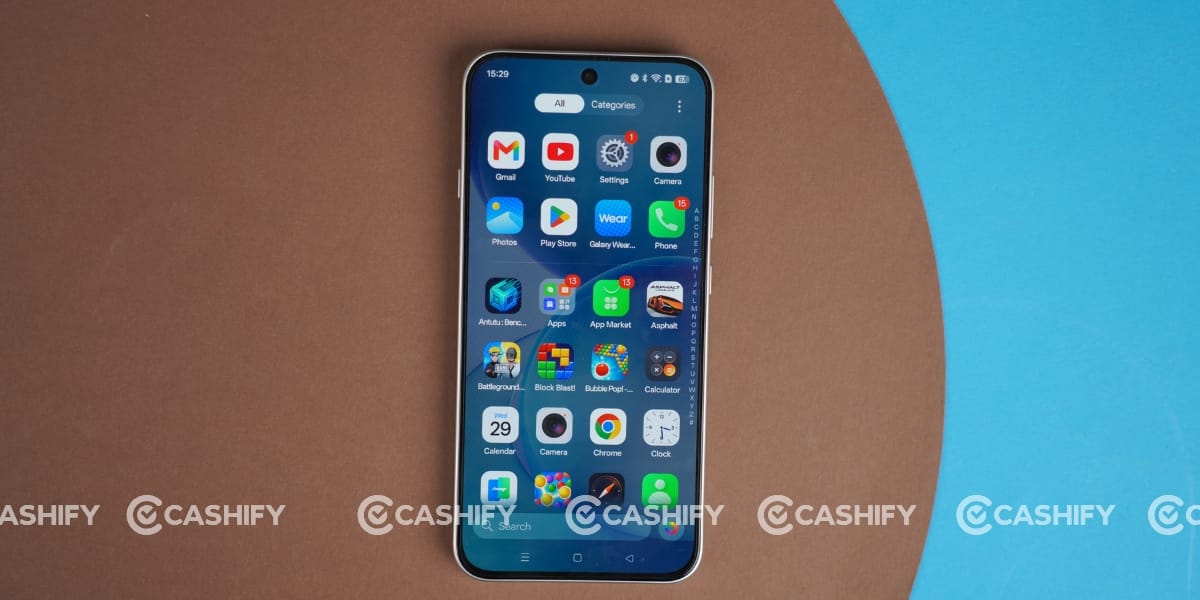
I also liked the smooth transition animations between the always-on display, lock screen, and home screen, which make the overall software experience feel more polished and premium.
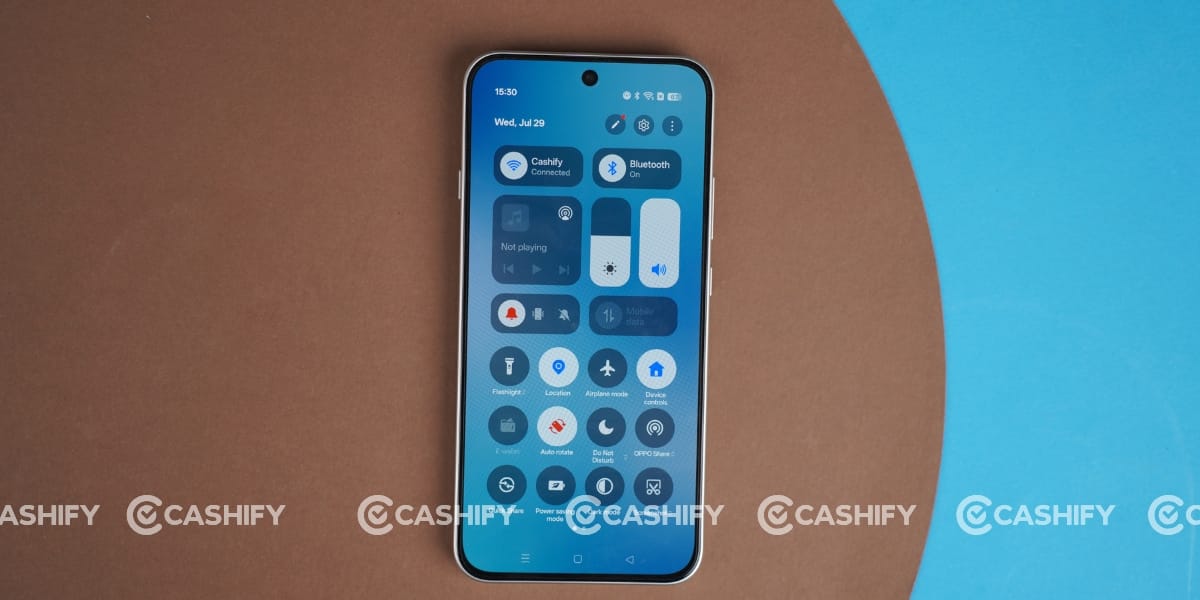
That said, I was disappointed to find several pre-installed bloatware apps. While most of them can be uninstalled, I wasn’t expecting so many apps to come preloaded.
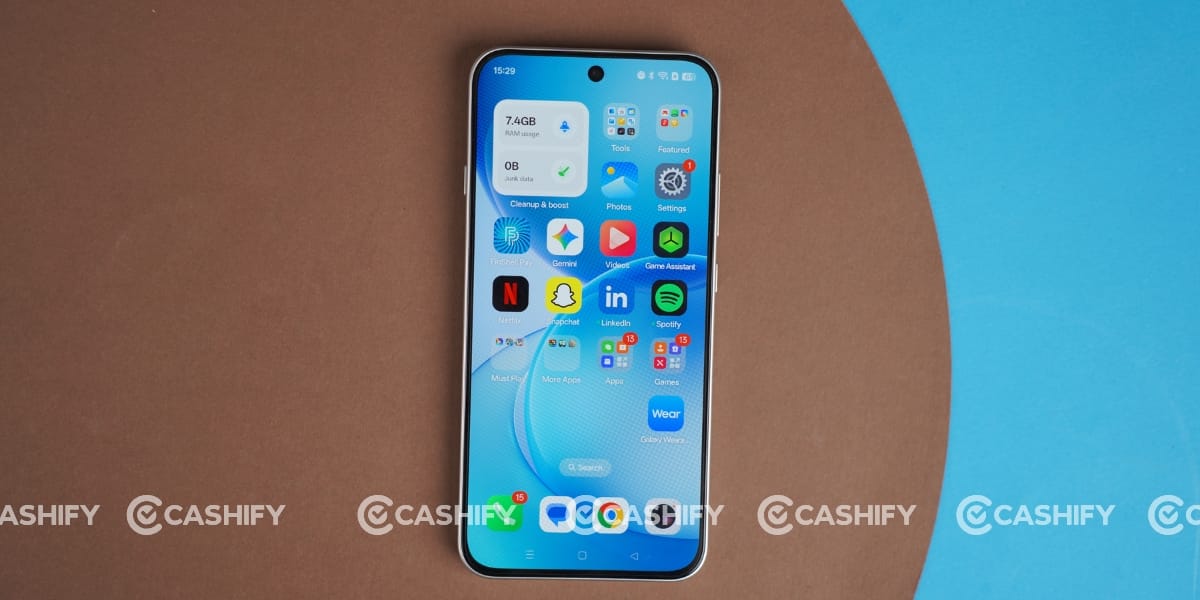
On the AI front, the OPPO Reno 16c offers a comprehensive suite of smart features. It includes a dedicated AI Snap Key for quick access, AI-powered camera tools such as Pop-out and Remix Collage, and system-level optimisations like AI LinkBoost 4.0 to improve connectivity and overall performance.

Overall, my OPPO Reno 16c review was positive when it came to the software experience. The combination of long-term software support, a feature-rich ColorOS 16 interface, and practical AI features makes the phone enjoyable to use despite the presence of some bloatware.
The OPPO Reno 16c is an excellent smartphone for users who prioritise design, battery life, and cameras. Its unique back panel, long-lasting battery, smooth display, and capable cameras make it a reliable daily driver. While the presence of bloatware and a slightly premium price may disappoint some buyers, the overall experience remains impressive, especially if you value software support and AI features. I hope you liked my OPPO Reno 16c review. Comment below with anything more about the device.